By 360 Realty
You've probably seen the phrase "move-in ready" sprinkled across listing descriptions so often that it starts to lose meaning. But when you're actually in the market for finding a home, that label carries real weight. It signals something specific about the condition of the property, the timeline of your potential move, and the financial trade-offs you may be stepping into.
For buyers who are tired of renovation projects, short on time, or simply want to start living in their new home without detours and contractor schedules, a turnkey property can feel like a dream come true. For others, the premium price tag attached to these homes doesn't always make sense. Understanding what the term actually means — and what it doesn't — will help you walk into every showing with a clearer eye.
This guide will break down what qualifies a home as move-in ready, explore the real advantages and trade-offs of buying one, and reveal how to figure out whether this property category aligns with your goals, your budget, and your lifestyle.
Key Takeaways
- “Move-in ready” means that a home meets a functional baseline, but the definition can vary between different listings.
- These properties typically command a higher purchase price compared to homes that need upgrades.
- Buyers who prioritize speed, convenience, and predictability tend to benefit most from turnkey purchases.
- Buyers with extensive renovation budgets and flexibility can sometimes find better value in properties that need repairs and updates.
- Knowing what to look for during a showing and inspection can protect you, regardless of how a listing is marketed.
What "Move-In Ready" Truly Means in Practice
The term “move-in ready” doesn't have a universal legal definition, which means that sellers and their listing agents apply it with varying degrees of generosity. At its core, the phrase signals that a home is habitable from day one — the systems work, the structure is sound, and you won't need to gut a bathroom before you can shower. But "habitable" and "pristine" are two different things.
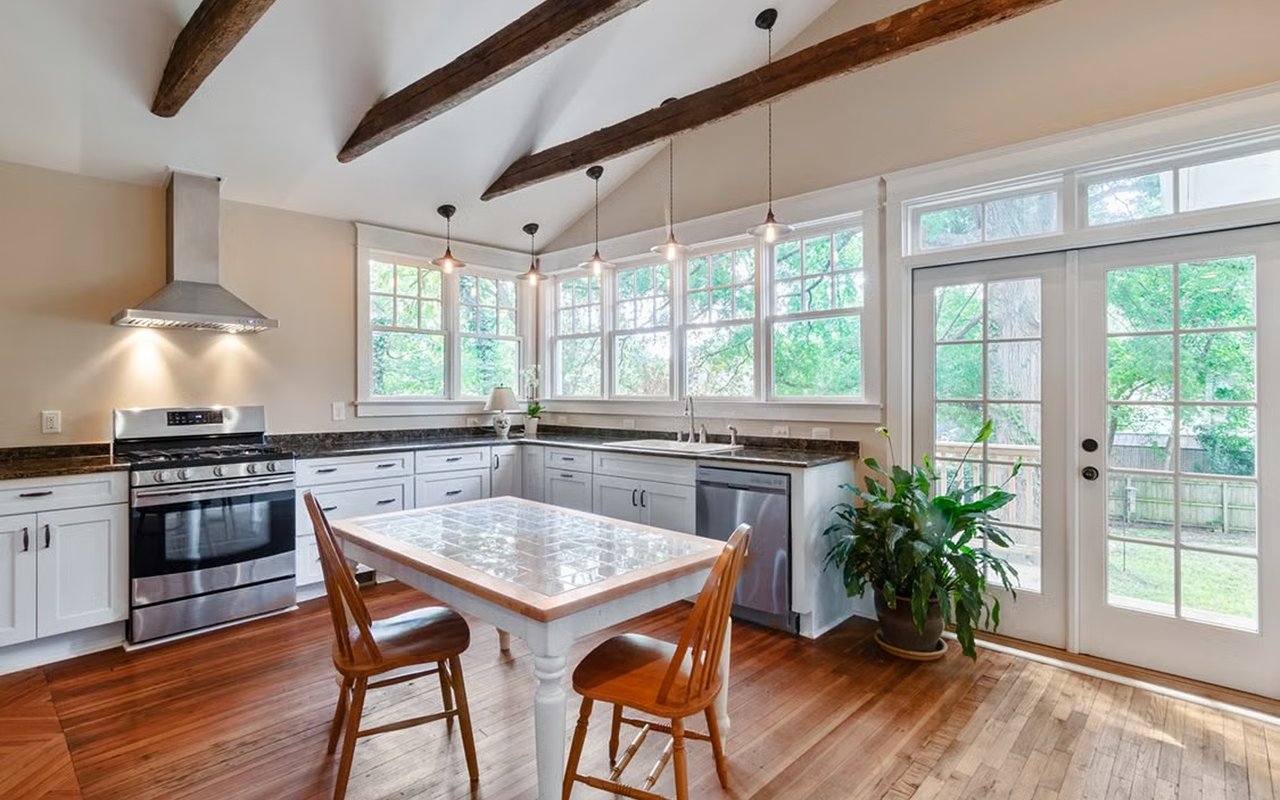
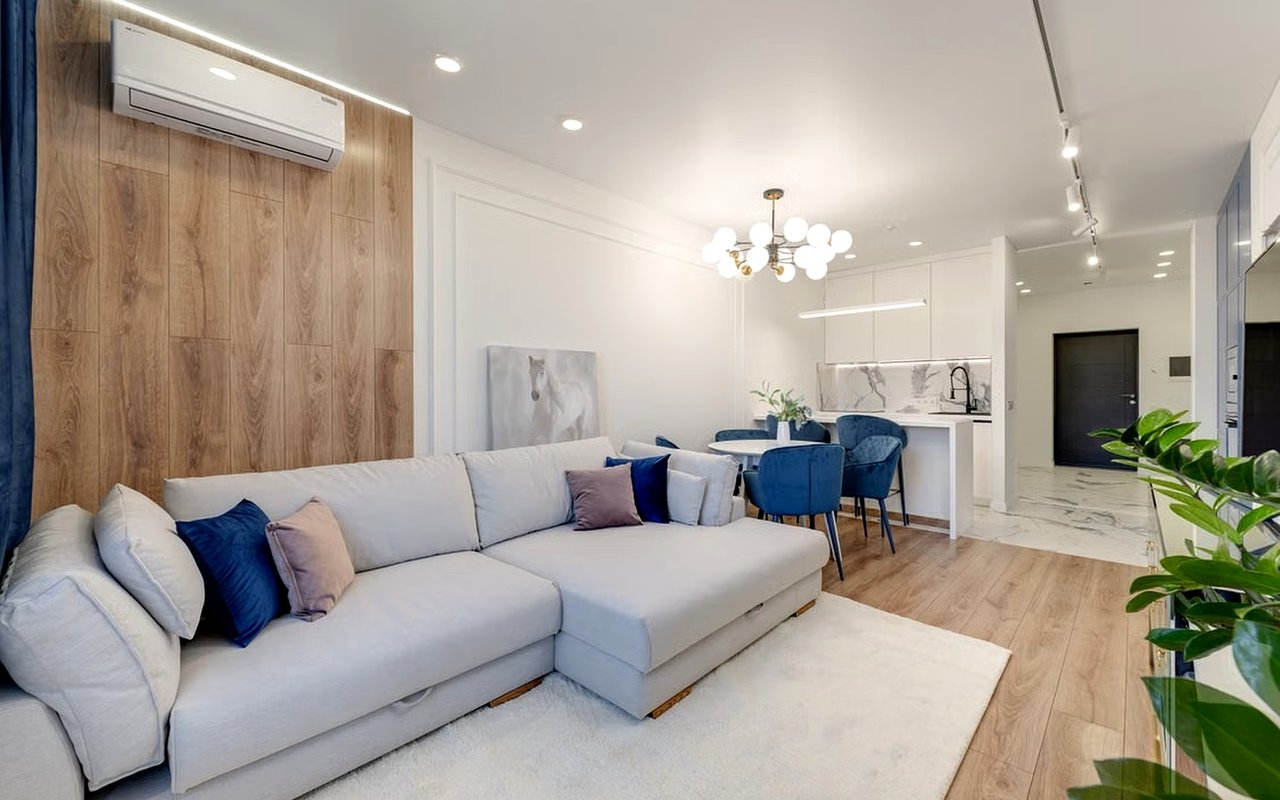
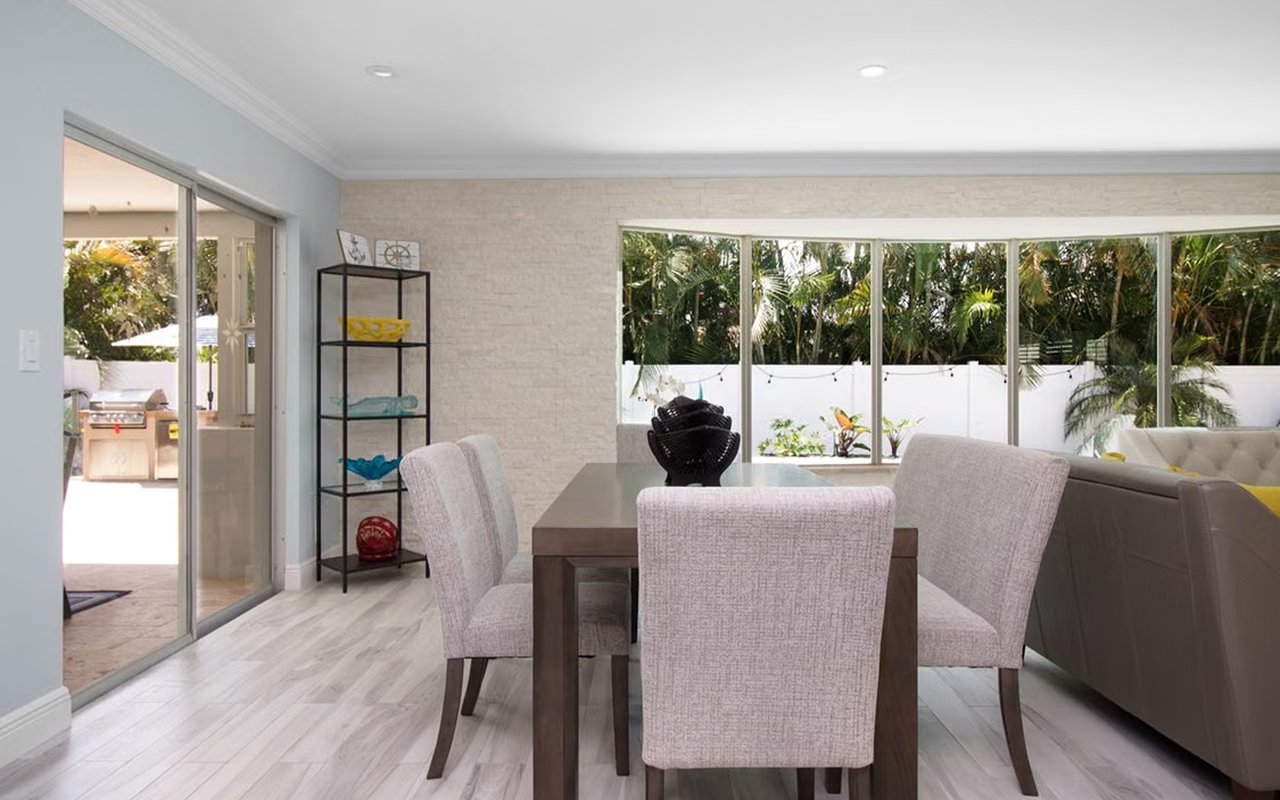
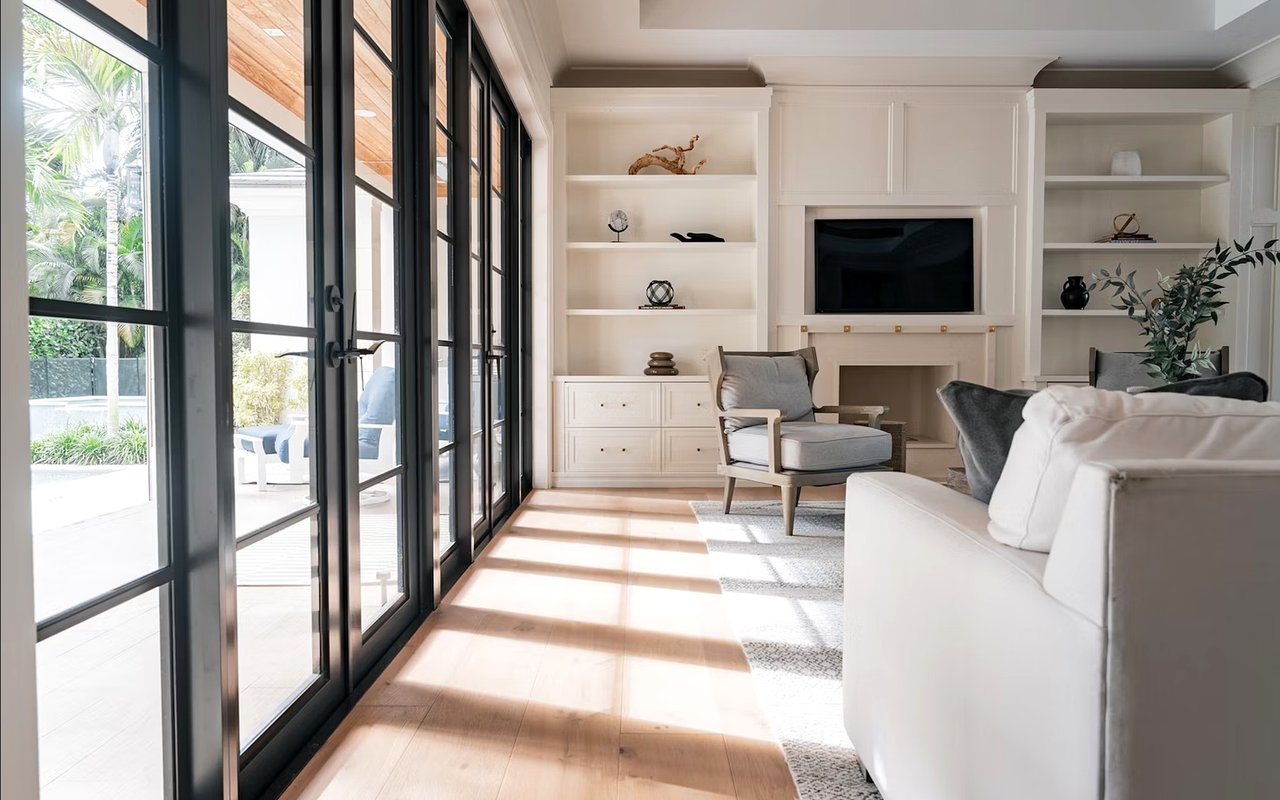
At a minimum, a move-in ready home should have functional plumbing, electrical, and HVAC systems. The roof should be in acceptable condition, the flooring should be intact, and the home should meet local building and safety codes. Cosmetically, it typically means that the walls are painted, the fixtures are in place, and the kitchen and bathrooms are operational — these features are not necessarily newly renovated, but they are not falling apart either.
At a minimum, a move-in ready home should have functional plumbing, electrical, and HVAC systems. The roof should be in acceptable condition, the flooring should be intact, and the home should meet local building and safety codes. Cosmetically, it typically means that the walls are painted, the fixtures are in place, and the kitchen and bathrooms are operational — these features are not necessarily newly renovated, but they are not falling apart either.
Signs That a Home Is Genuinely Move-In Ready
- The roof is in good condition with several years of remaining life, confirmed during inspection.
- The HVAC, plumbing, and electrical systems have been recently serviced or updated.
- There are no deferred maintenance items that would require immediate attention or a significant cost.
- The appliances are functional and included in the sale.
- There are no active water damage issues, mold concerns, or structural problems flagged during inspection.
The Real Advantages of Buying Turnkey
For the right buyer, a move-in ready home offers something that is harder to put a price on: simplicity. From the moment you close, you can start moving in, settling in, and living — without coordinating contractors, living through dust and disruption, or managing timelines that rarely go as planned.
This matters enormously for buyers relocating from afar, for buyers with busy lifestyles, and for buyers who are simultaneously ending a lease or managing the logistics of selling their current home. When timing is tight, the ability to move directly into a functional space without a list of to-dos can be the deciding factor.
There's also a financial predictability argument. Renovation projects have a way of expanding in scope and cost once the walls come down and old materials are exposed. Buying a move-in ready home doesn't eliminate all maintenance costs, of course, but it dramatically reduces the likelihood of surprise expenses in your first year of ownership. That kind of stability is valuable, especially if you've already stretched to meet your purchase price.
This matters enormously for buyers relocating from afar, for buyers with busy lifestyles, and for buyers who are simultaneously ending a lease or managing the logistics of selling their current home. When timing is tight, the ability to move directly into a functional space without a list of to-dos can be the deciding factor.
There's also a financial predictability argument. Renovation projects have a way of expanding in scope and cost once the walls come down and old materials are exposed. Buying a move-in ready home doesn't eliminate all maintenance costs, of course, but it dramatically reduces the likelihood of surprise expenses in your first year of ownership. That kind of stability is valuable, especially if you've already stretched to meet your purchase price.
Buyers Who Typically Benefit Most from Turnkey Homes
- First-time buyers who don't yet have renovation experience or contractor relationships.
- Buyers who are relocating and are unable to manage a project from a distance.
- Buyers who are purchasing an investment property and want to rent it out immediately.
- Buyers with a tight budget who can't afford a purchase price plus significant renovation costs.
The Trade-Offs You Should Understand
Move-in ready sounds appealing in almost every scenario, but there are real trade-offs to weigh before you decide this is your only target. The most consistent one is price. Sellers know that convenience carries value, and turnkey properties are typically priced to reflect it. In competitive markets, you may pay a premium over what a comparable home in need of updates would cost — even if those updates wouldn't be that expensive to complete yourself.
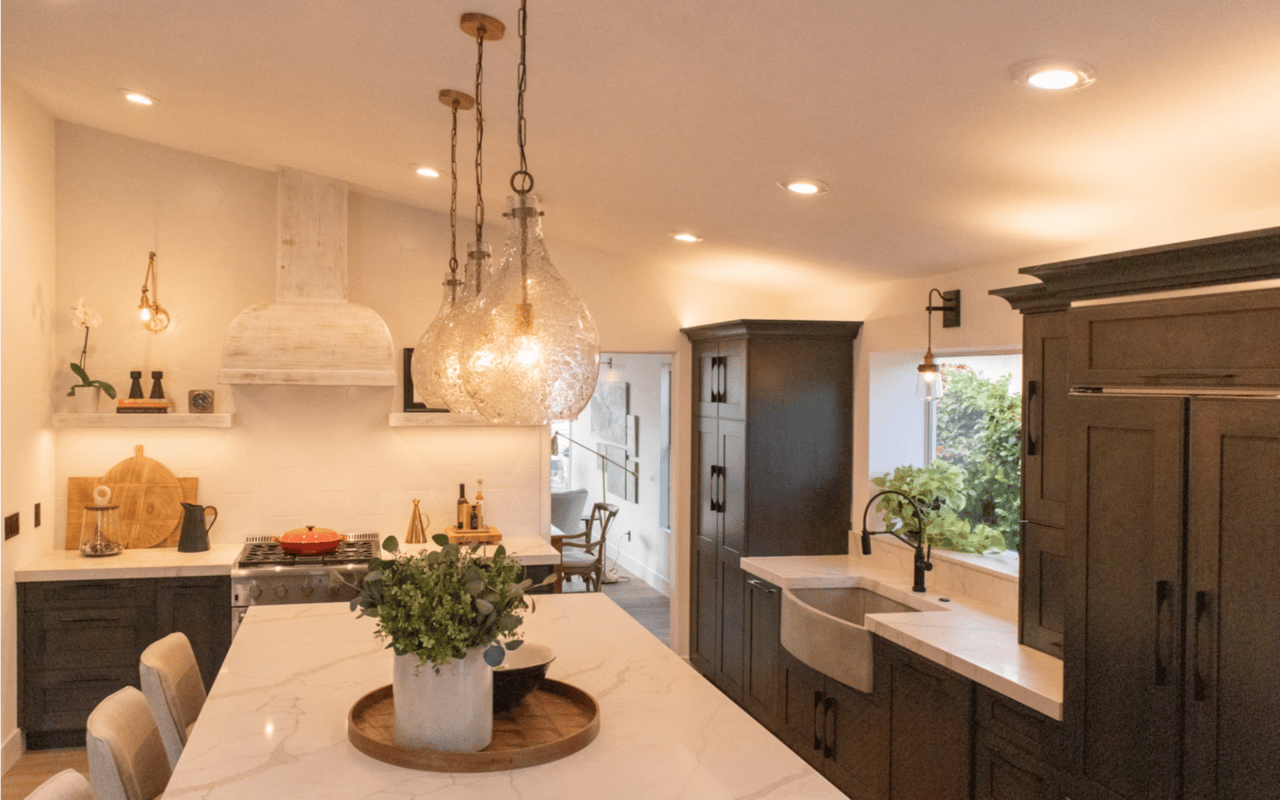
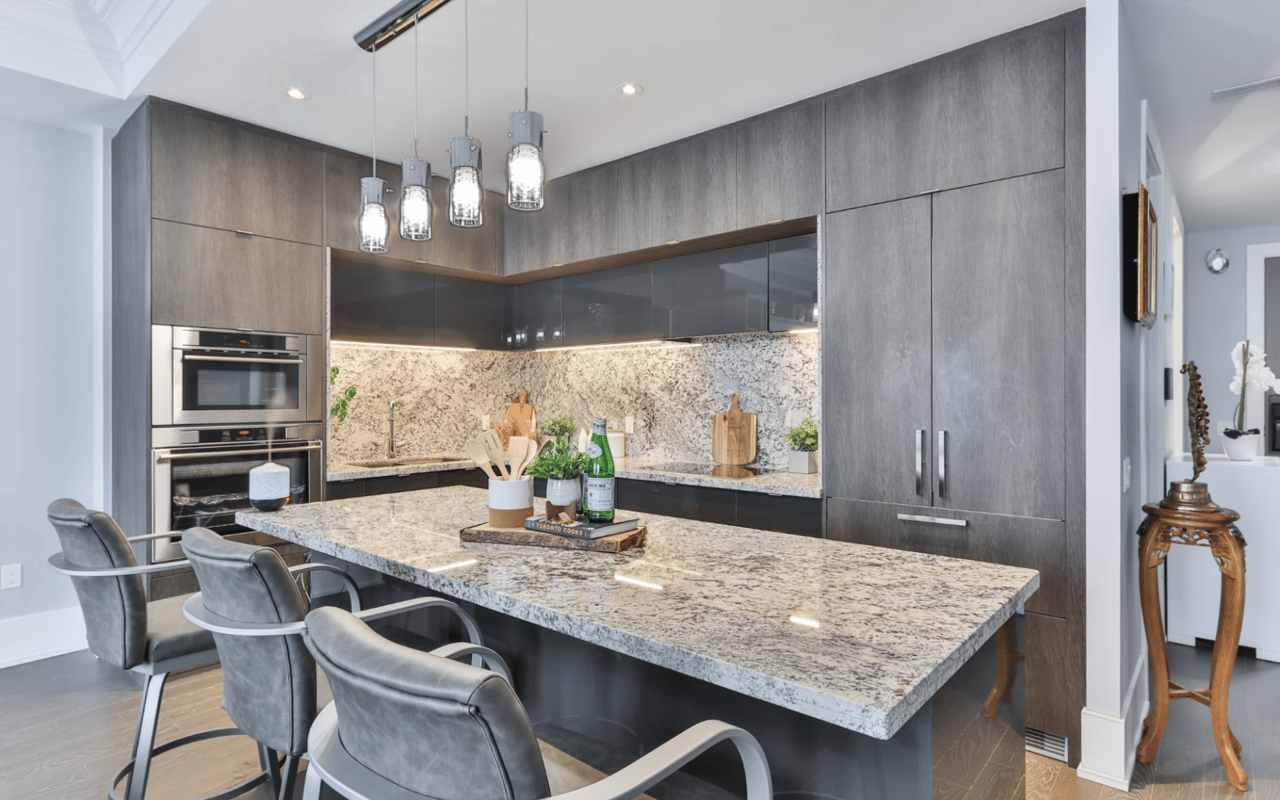
There's also the question of taste. A home that someone else has fully renovated may check every functional box while missing your personal aesthetic entirely. You might be paying top-dollar for finishes you'd eventually replace anyway — granite counters you'd swap for quartz or a primary bath tiled in a style you'd never choose. In that case, buying a less-finished home at a lower price point and customizing it could be a better long-term investment.
What you gain in convenience, you may also give up in negotiation leverage. A home that needs work gives you a legitimate basis to negotiate on price or request seller concessions. A move-in ready home in a strong market often comes with less room to push back because the seller knows you're paying for the finished product.
There's also the question of taste. A home that someone else has fully renovated may check every functional box while missing your personal aesthetic entirely. You might be paying top-dollar for finishes you'd eventually replace anyway — granite counters you'd swap for quartz or a primary bath tiled in a style you'd never choose. In that case, buying a less-finished home at a lower price point and customizing it could be a better long-term investment.
What you gain in convenience, you may also give up in negotiation leverage. A home that needs work gives you a legitimate basis to negotiate on price or request seller concessions. A move-in ready home in a strong market often comes with less room to push back because the seller knows you're paying for the finished product.
Questions to Ask Before Prioritizing Move-In Ready
- How much more am I paying compared to similar homes that need work?
- Do the finishes match my taste, or would I eventually want to update them anyway?
- Is my timeline tight, or do I have flexibility that might make a renovation more viable?
- What does the inspection reveal?
- Would I have enough cash reserves after closing to handle a renovation if I bought a different property?
How to Evaluate a Move-In Ready Listing Carefully
Even when a home is listed as move-in ready, your job isn't to take that at face value. A professional home inspection is still important, as this process can reveal issues that would compromise the "turnkey" label: an aging roof, a water heater at the end of its lifespan, or plumbing that's functional but approaching the point of needed replacement.
During your showing, pay attention to what's cosmetic versus what's structural. Fresh paint and new light fixtures can obscure deferred maintenance. Look at the age of the major systems, check the condition of windows and seals, and note whether the landscaping and drainage around the foundation have been maintained. These details tell you more than the listing description ever will.
It also helps to look at the disclosure documents carefully. If a home has had water intrusion, pest issues, or foundation concerns in the past, those facts should appear in disclosures even if the seller believes they've been remediated.
During your showing, pay attention to what's cosmetic versus what's structural. Fresh paint and new light fixtures can obscure deferred maintenance. Look at the age of the major systems, check the condition of windows and seals, and note whether the landscaping and drainage around the foundation have been maintained. These details tell you more than the listing description ever will.
It also helps to look at the disclosure documents carefully. If a home has had water intrusion, pest issues, or foundation concerns in the past, those facts should appear in disclosures even if the seller believes they've been remediated.
What To Inspect Even in Turnkey Homes
- Age and condition of the roof, water heater, furnace, and AC unit.
- Signs of past or present moisture intrusion in the basement, crawlspace, or around windows.
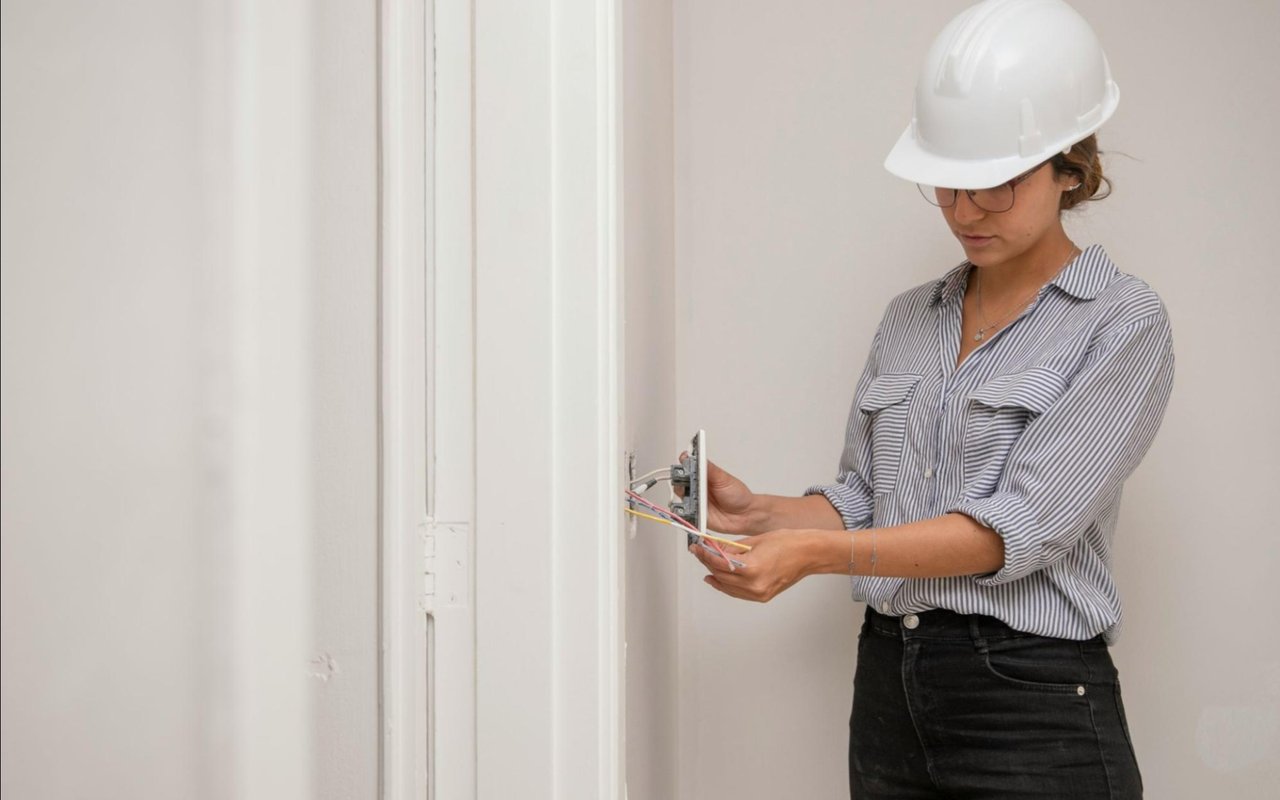
- Condition of the electrical panel, including whether it has been updated to modern capacity.
- Functionality of all included appliances, garage door openers, and fixtures.
- Foundation and structural integrity, including signs of settling or cracking.
FAQs
What Is the Difference Between Move-In Ready and Updated?
Move-in ready means the home is functional and habitable without requiring immediate work. Updated typically implies that major systems or finishes have been modernized, though the two terms are often used interchangeably in listings. An updated home may be move-in ready, but a move-in ready home isn't necessarily updated — it may simply be in acceptable condition.
Is a Move-In Ready Home Always Worth the Higher Price?
Not necessarily. The value depends on your timeline, your renovation needs, and the specific spread between the turnkey home's price and comparable homes that need work. In some situations, the premium for move-in ready is modest and well worth the convenience. In others, the gap is significant enough that a buyer with flexibility could buy a lesser-finished home, invest in renovations, and come out ahead — both financially and in terms of customization.
Should I Still Get an Inspection on a Move-In Ready Home?
Absolutely. A home inspection is one of the most important steps in any purchase, regardless of how a property is marketed. A home that appears move-in ready can still have issues with major systems, hidden water damage, or aging components that will require replacement in the near term. An inspection protects you whether you're buying a fixer or a turnkey property.
Finding the Right Home Starts with the Right Guidance
Whether a move-in ready home is the perfect fit or just the most appealing option on the surface, the decision comes down to knowing your priorities clearly and understanding what each property is actually offering. That's a lot to assess in the span of a showing and an inspection period — which is why having the right guidance matters.
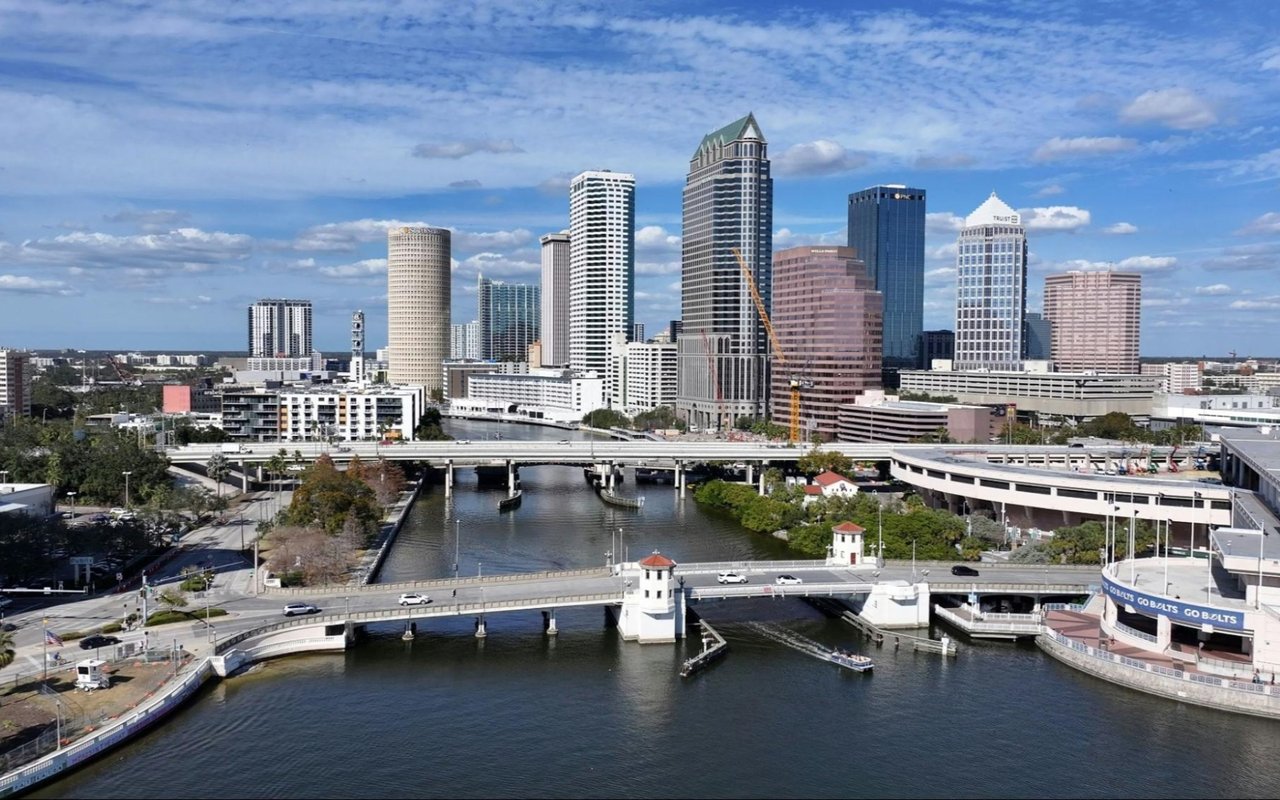
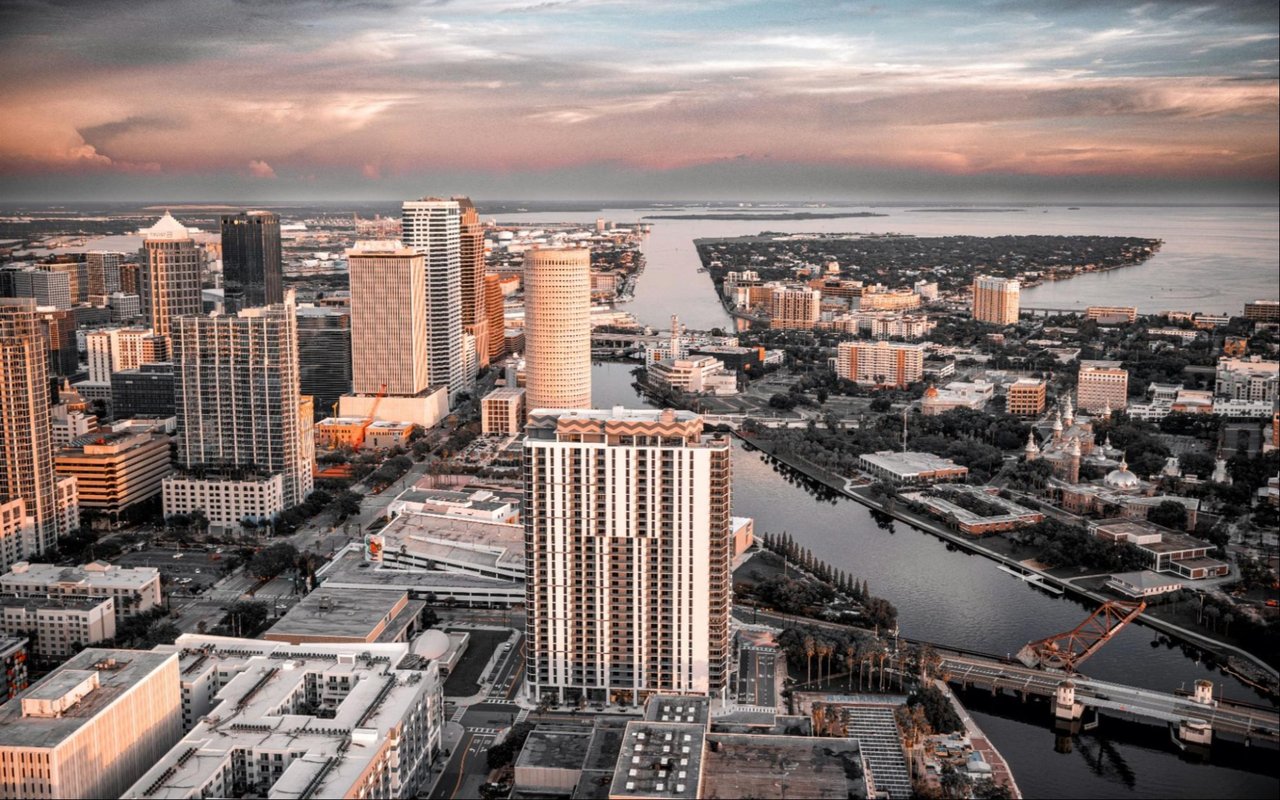
Our team works with buyers at every stage of the process to clarify what they're actually looking for, cut through the listing language, and evaluate properties against their real goals. If you're ready to start your search in South Tampa or have questions about what to look for, reach out to our team at 360 Realty. We're here to help you make a confident, informed decision.
Our team works with buyers at every stage of the process to clarify what they're actually looking for, cut through the listing language, and evaluate properties against their real goals. If you're ready to start your search in South Tampa or have questions about what to look for, reach out to our team at 360 Realty. We're here to help you make a confident, informed decision.