Thinking about moving to Tampa? It is easy to picture sunshine, waterfront views, and palm trees. What many newcomers do not realize right away is that Tampa is a city of very different submarkets, commute patterns, and flood considerations. If you are planning a move, understanding those local realities can help you make a smarter decision and avoid expensive surprises. Let’s dive in.
Tampa Feels Bigger Than It Looks
Tampa is growing, and that growth shapes how the city feels on the ground. The city was estimated at 413,554 residents in 2025, while Hillsborough County reached 1,459,773. Both are up roughly 7% to 8% from the 2020 census base.
That matters because a move to Tampa is not just about choosing a city. It is about choosing the right part of a fast-growing metro area. Inventory, pricing, traffic, and even your day-to-day routine can look very different depending on where you land.
Tampa Is a Multi-Center City
One thing locals often wish newcomers knew is that Tampa does not revolve around one single downtown job core. Central Tampa draws the largest inbound commuter flow in Hillsborough County, but South Tampa, Westshore TIA, and the USF institutional area are also major employment destinations.
In plain terms, your work location should shape your home search early. A home that looks ideal on a map can feel much less convenient once you factor in bridge traffic, interstate bottlenecks, and the route you will actually drive every day.
Commute Times Can Be Deceiving
The mean travel time to work is 24.8 minutes in Tampa and 28.8 minutes in Hillsborough County. Those numbers sound manageable, but they do not tell the full story.
Congestion tends to build around the Howard Frankland Bridge, Veterans Expressway, I-275 north of downtown, and I-4 east of downtown. The downtown and Westshore interchanges are also long-standing pressure points. That is why two homes with a similar estimated drive time can produce very different daily experiences.
Major Work Hubs Matter
Westshore is one of Tampa’s most important business districts. It includes Tampa International Airport, dozens of hotels, major shopping destinations, and more than 250 restaurants. Tampa International Airport also offers nonstop service to more than 80 destinations and is about 15 minutes from downtown.
Other major anchors include MacDill Air Force Base, Port Tampa Bay, and USF Health downtown. If you are relocating for work, your ideal area may depend less on zip code and more on which employment hub you need to reach most often.
Car-Light Options Are Limited but Helpful
Tampa is still largely car-dependent, but there are a few exceptions. The TECO Line Streetcar connects Downtown Tampa, the Channel District, and Ybor City with free service every 15 to 20 minutes.
If you want a more connected urban routine, those districts may deserve a closer look. They can offer a different lifestyle than more residential parts of South Tampa or suburban Hillsborough County.
The Climate Is Not Just Warm. It Is Humid and Rainy.
Locals know that Tampa weather is not simply “nice all year.” NOAA climate normals for Tampa International Airport show a mean annual temperature of 74.5°F, with a July average high of 91.0°F. Annual precipitation is 49.48 inches, and August alone averages 9.03 inches of rain.
That means you should expect long, humid summers and a pronounced rainy season. If you are moving from a drier climate, the combination of heat, humidity, and afternoon storms can take some adjustment.
Hurricane Season Is a Real Planning Factor
Atlantic hurricane season runs from June 1 through November 30. The City of Tampa also warns that localized flooding is common because of the area’s low topographic relief, and that storm surge can create the most widespread damage during tropical systems.
This is one of the biggest practical differences between browsing homes online and living here full time. A property’s style, updates, and location matter, but so does your understanding of storm exposure and emergency planning.
Flood Zone and Evacuation Zone Are Not the Same
This is a point many newcomers miss. Tampa’s emergency guidance says a home can be in a low-risk flood zone and still be in an evacuation zone, or it can be in a higher-risk flood zone and not fall in the same evacuation category.
The city also reminds residents that standard homeowners insurance does not cover flooding. If you are comparing homes, this is the kind of due diligence that should happen before you fall in love with a property, not after.
Some Areas Need Extra Flood Review
Near-bay and low-lying areas deserve especially careful review. City planning documents identify the western and southern portions of the Interbay Peninsula, Davis Islands, Harbour Island, Hookers’ Point, and port areas as especially susceptible to flooding during severe events.
That does not mean these areas are off limits. It means you should evaluate them with clear eyes, ask the right questions, and understand how flood exposure fits into your budget and comfort level.
South Tampa Is Not One Thing
A lot of out-of-state buyers say they want to live in South Tampa. Locals usually know that answer needs more detail. South Tampa is a collection of distinct submarkets, and the housing choices can vary widely.
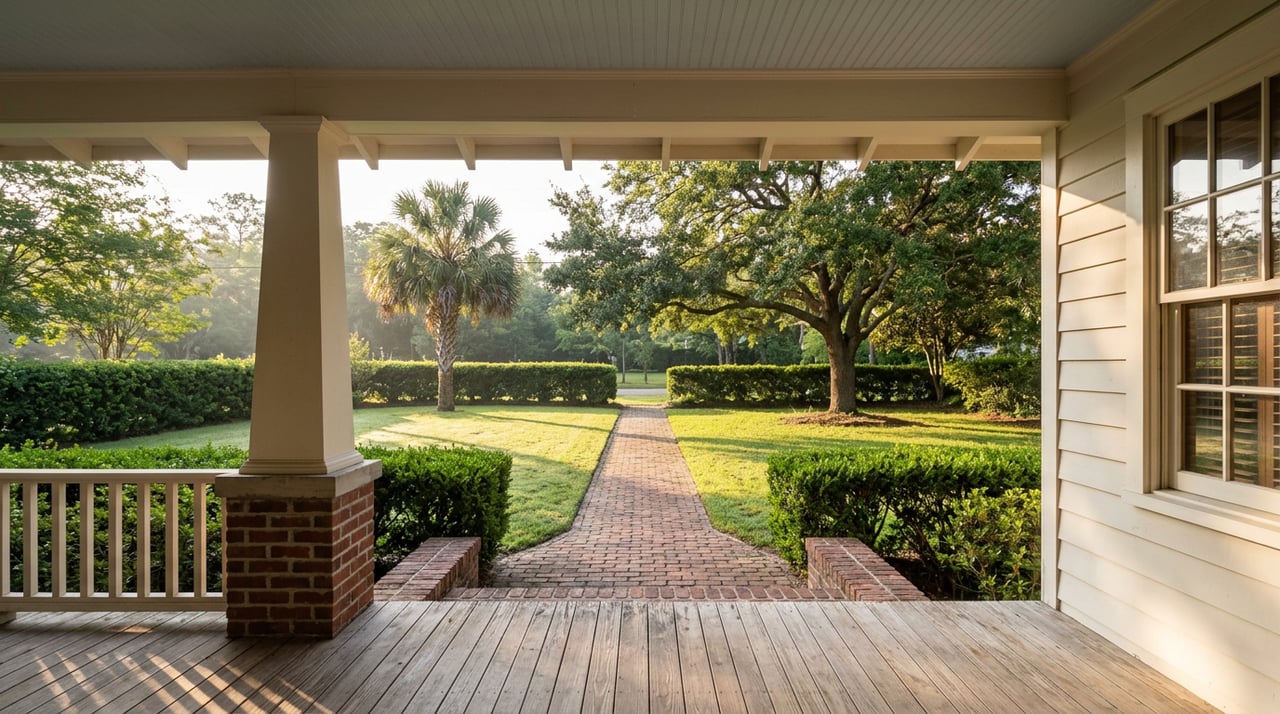
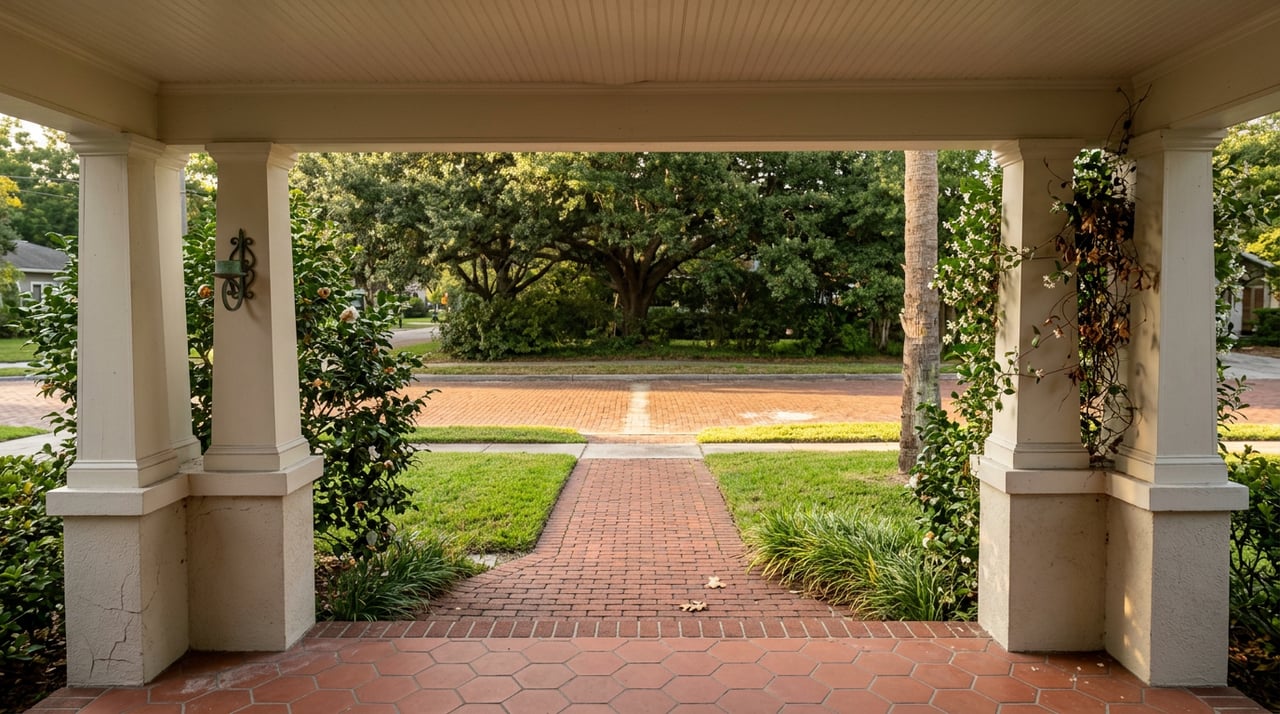
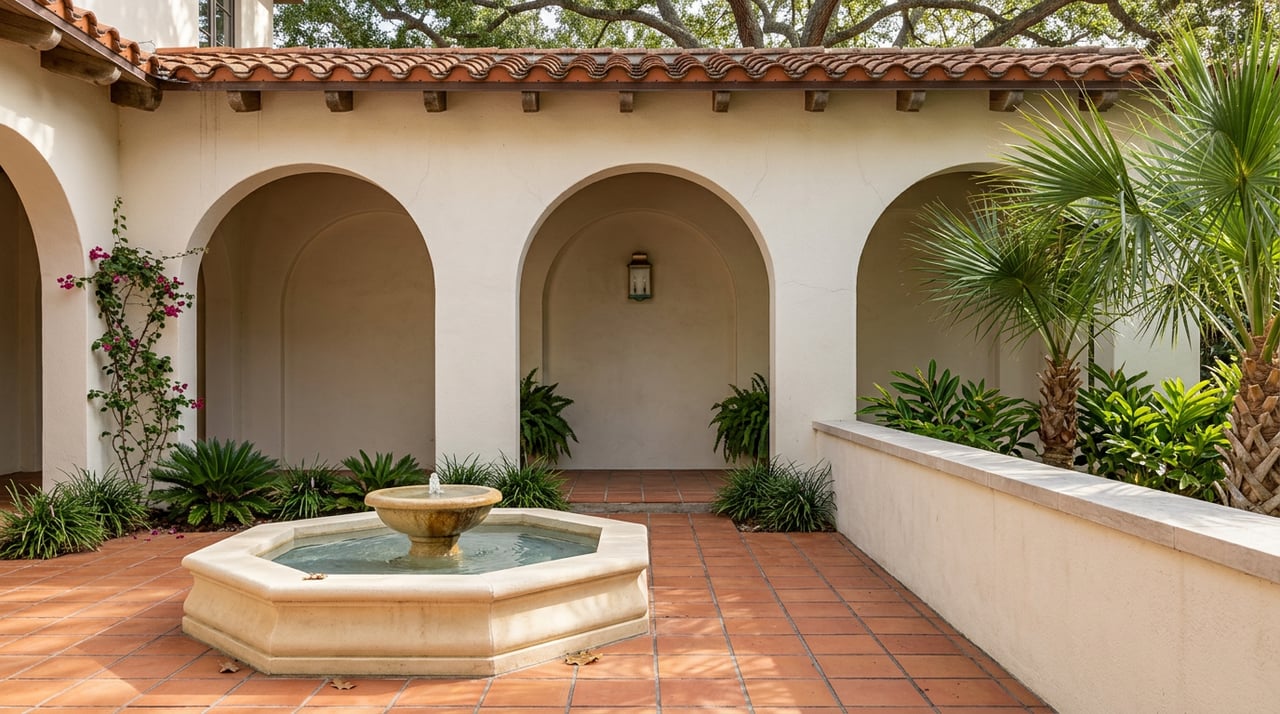
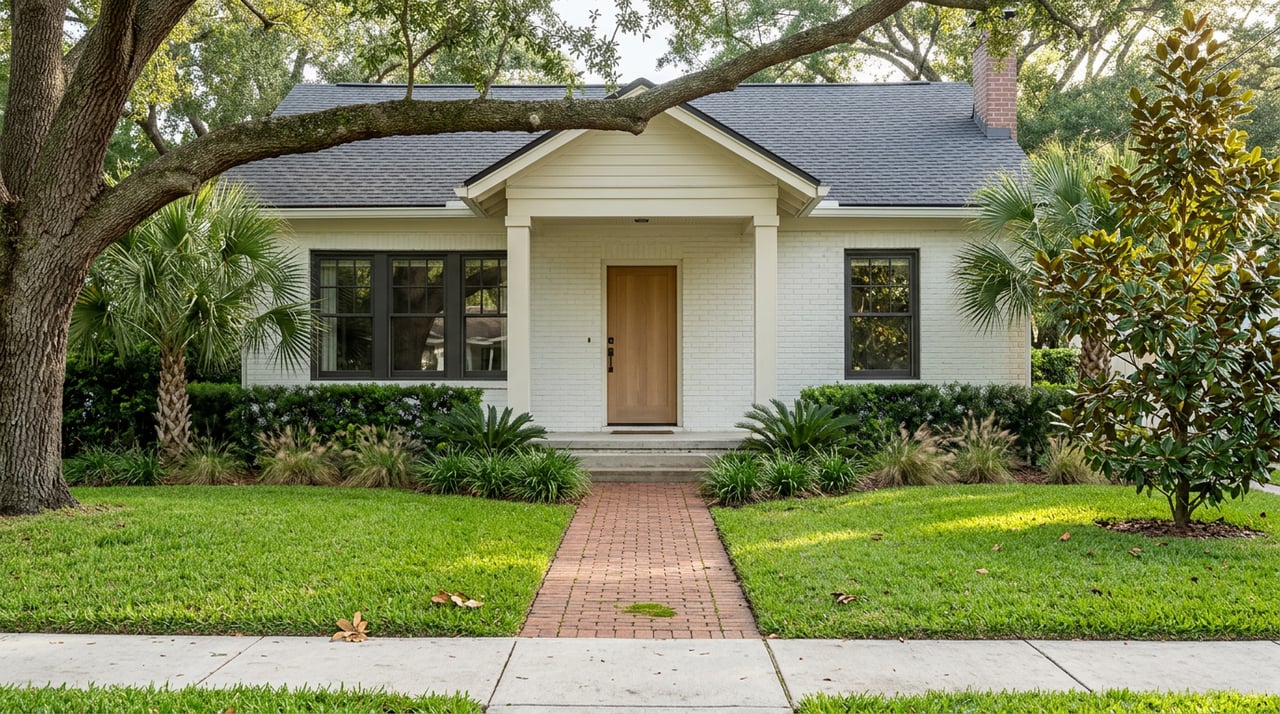
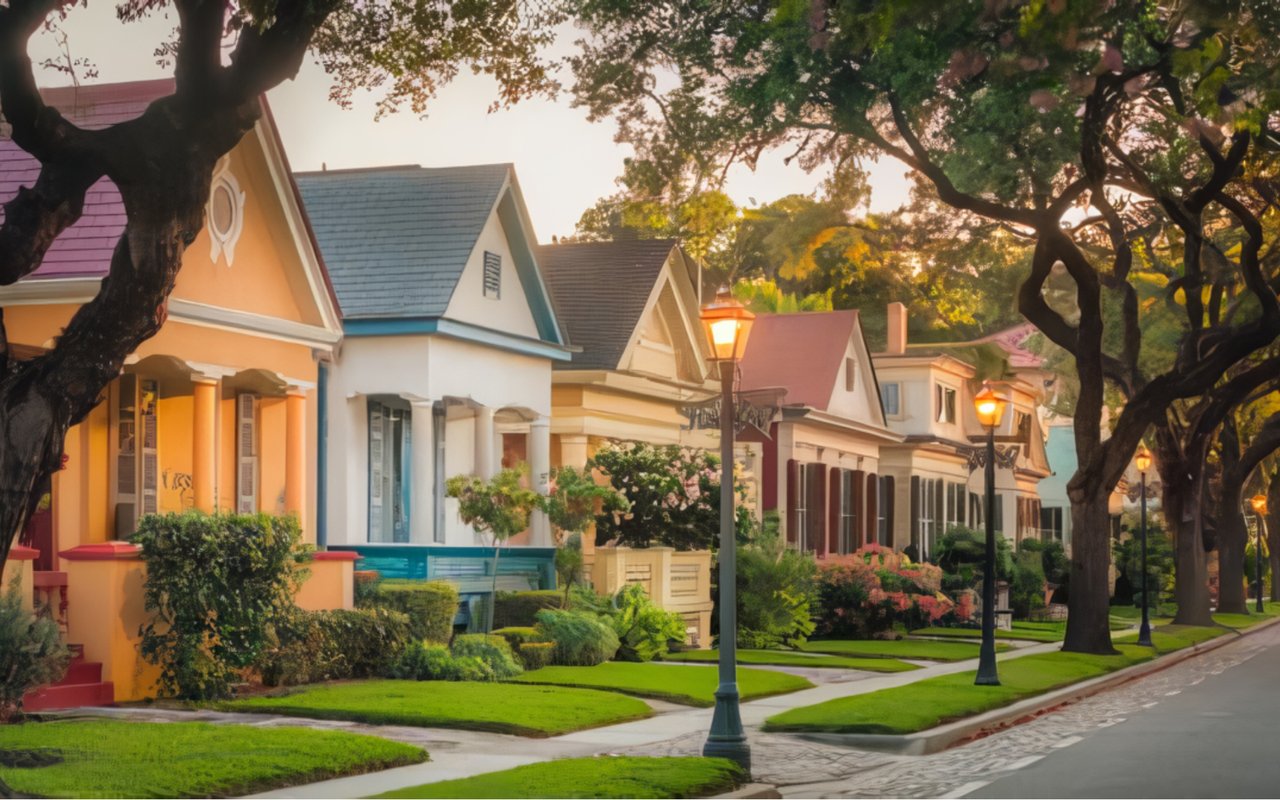
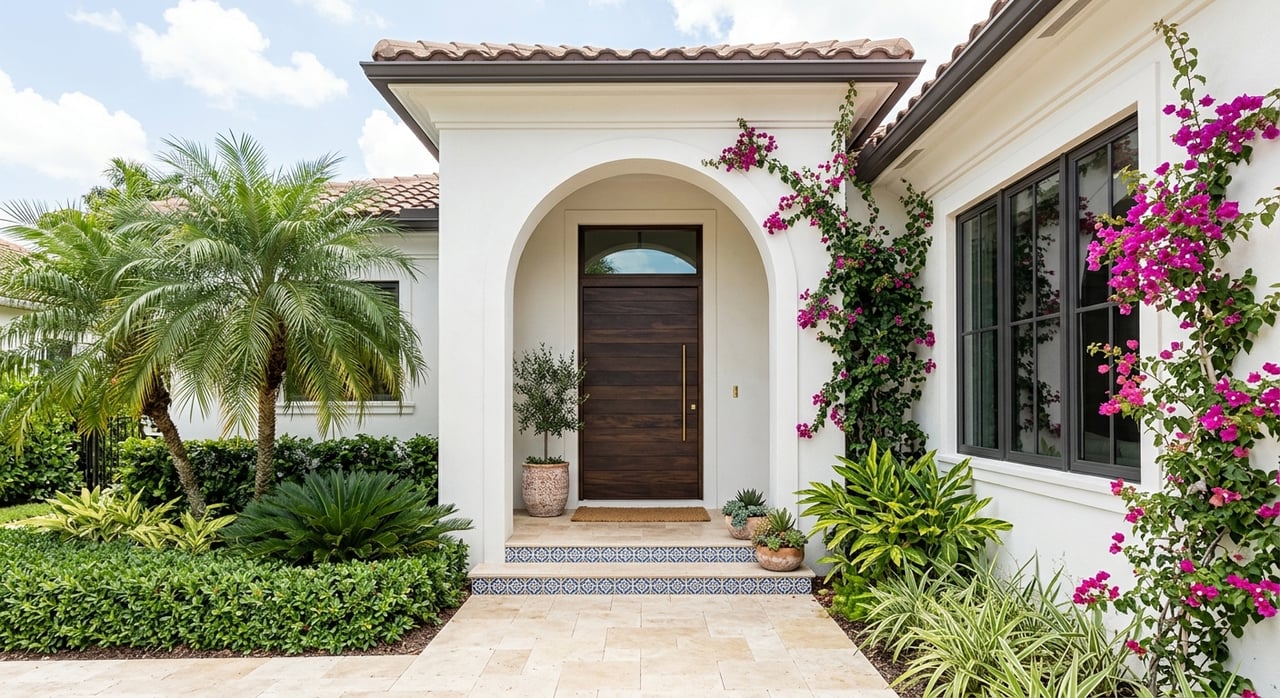
The City of Tampa describes Hyde Park Preservation as the city’s oldest existing neighborhood, known for historic homes and Old Hyde Park Village. Palma Ceia is noted for red brick roads, large oaks, and a broad range of housing styles and price points. Beach Park is known for winding streets, large lots, and historic Mediterranean-style homes.
Housing Style Changes by Area
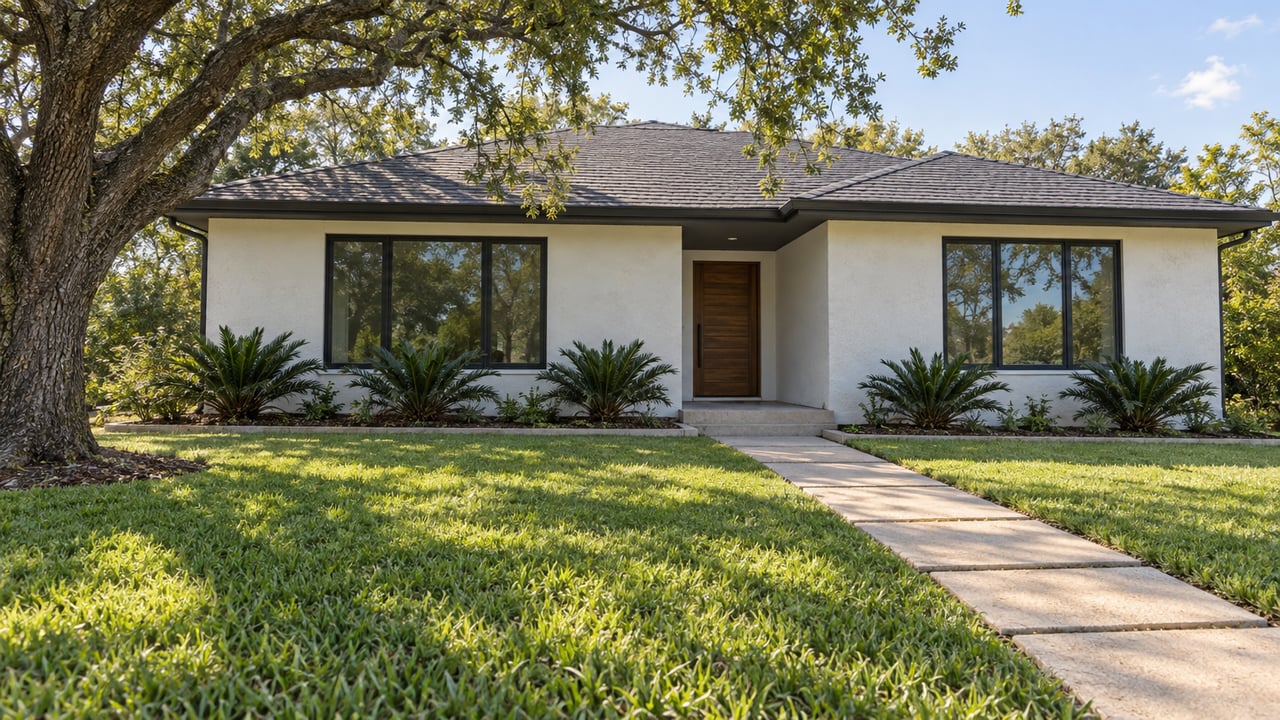
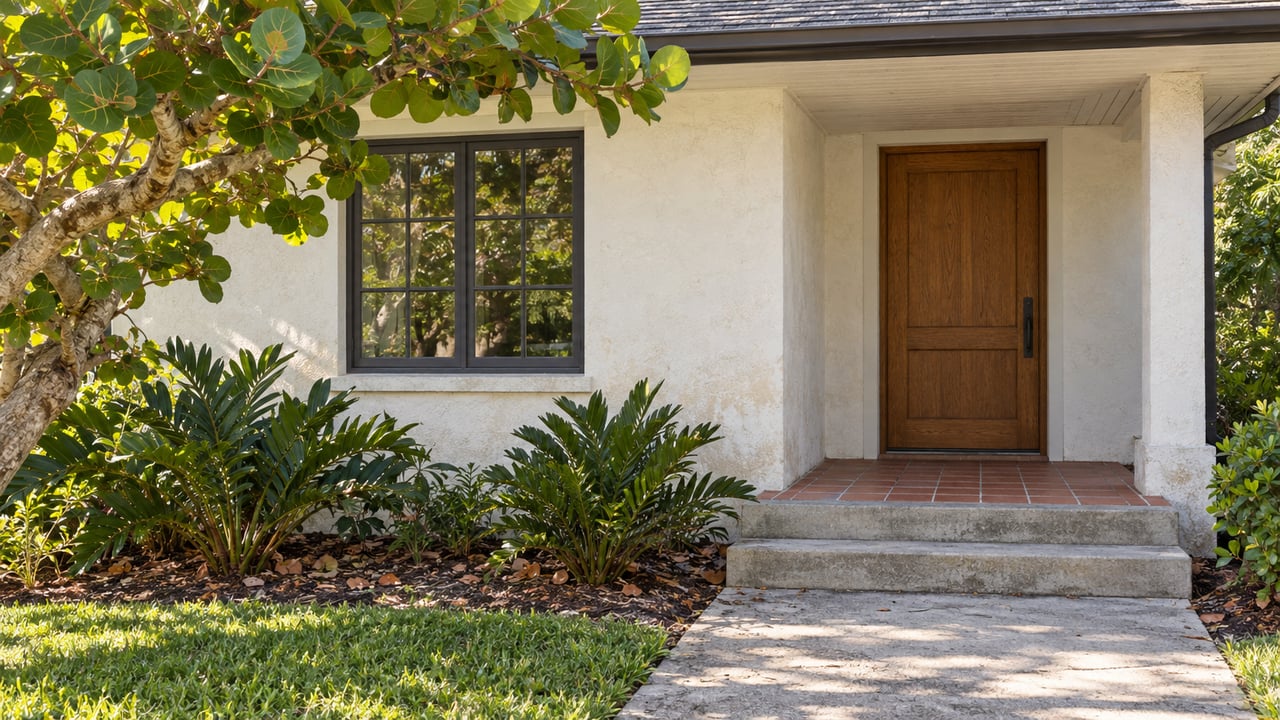
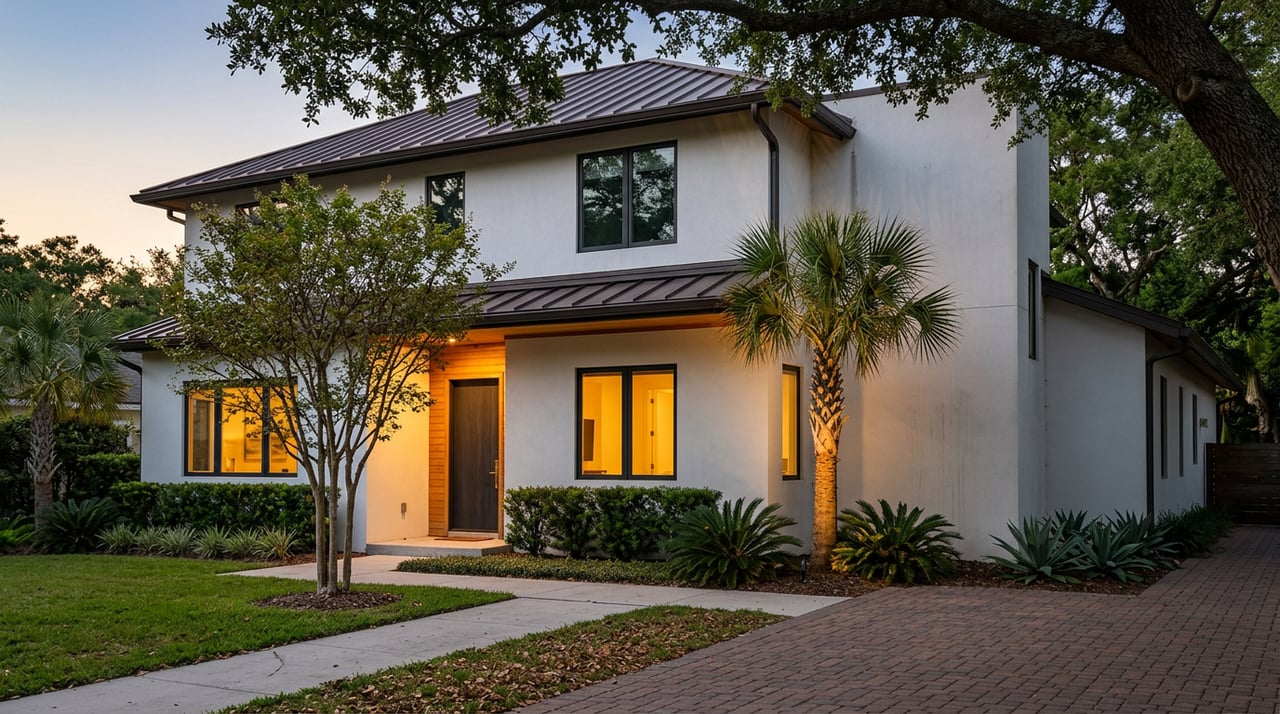
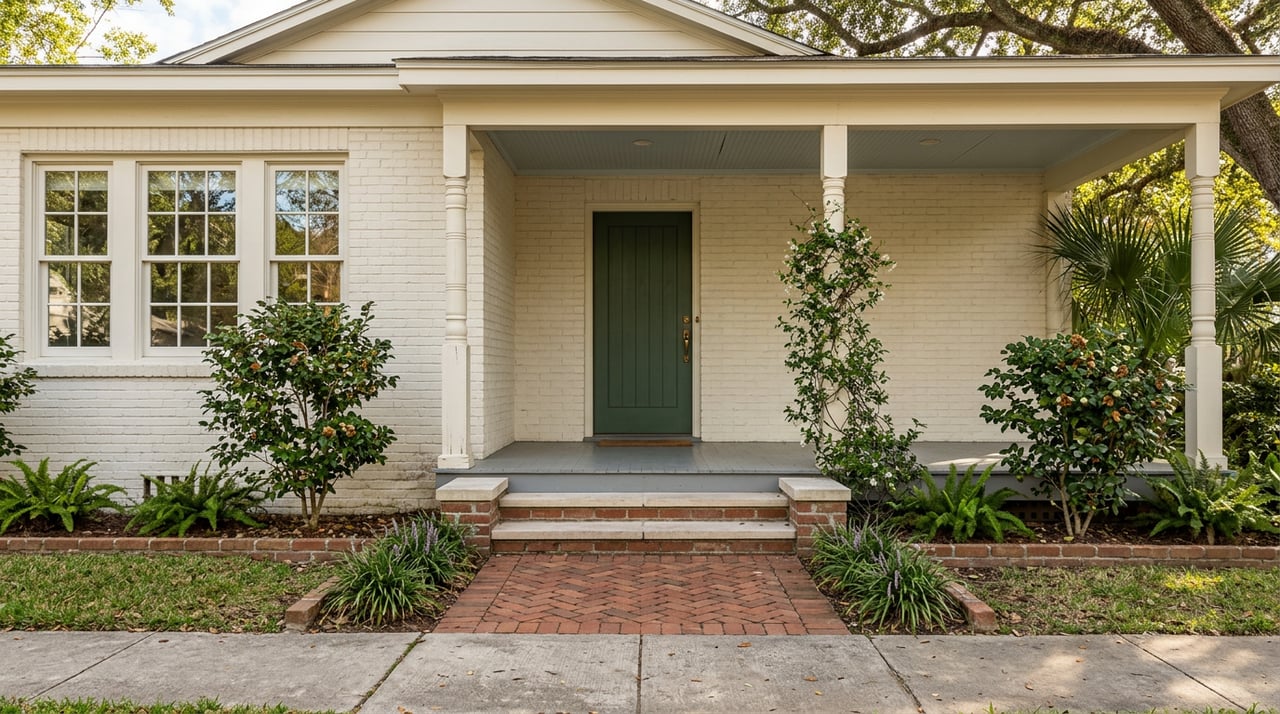
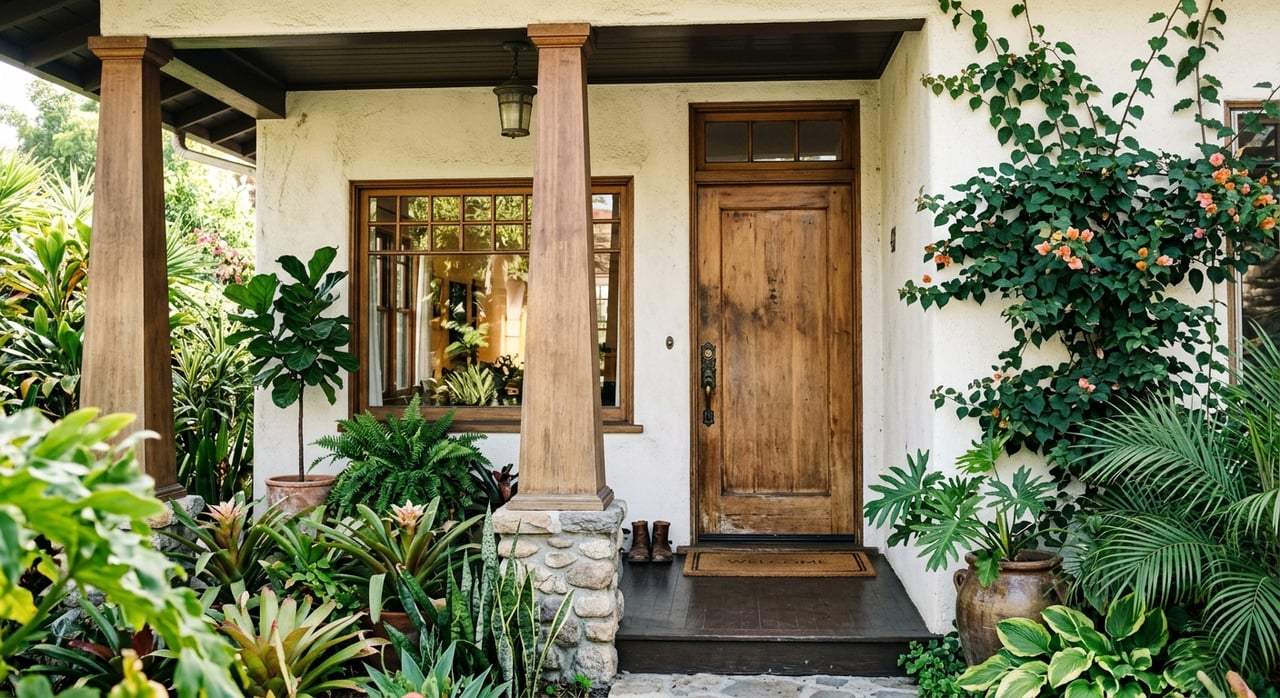
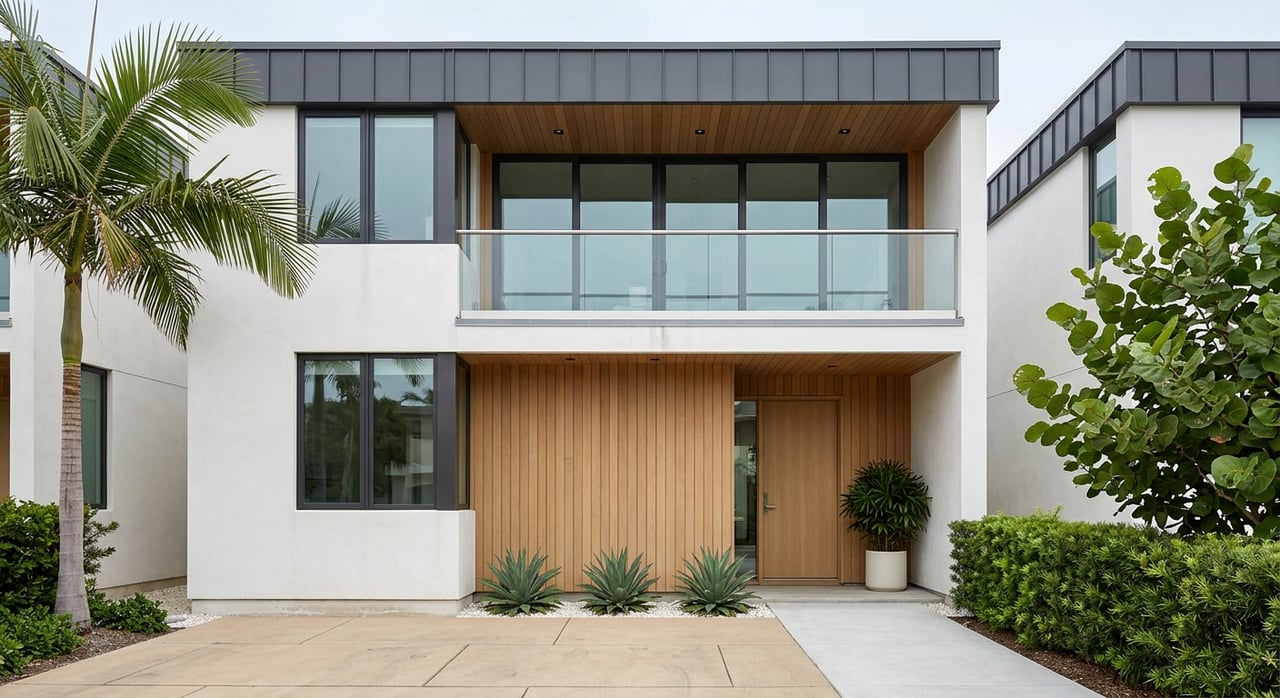
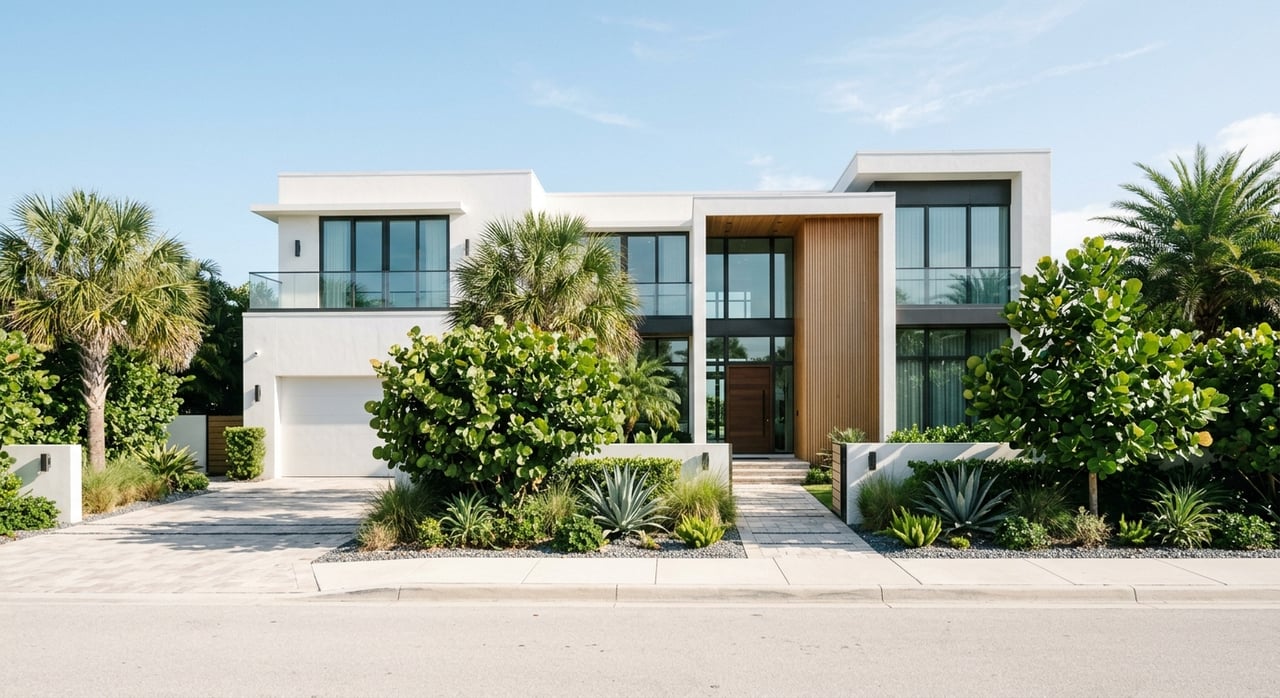
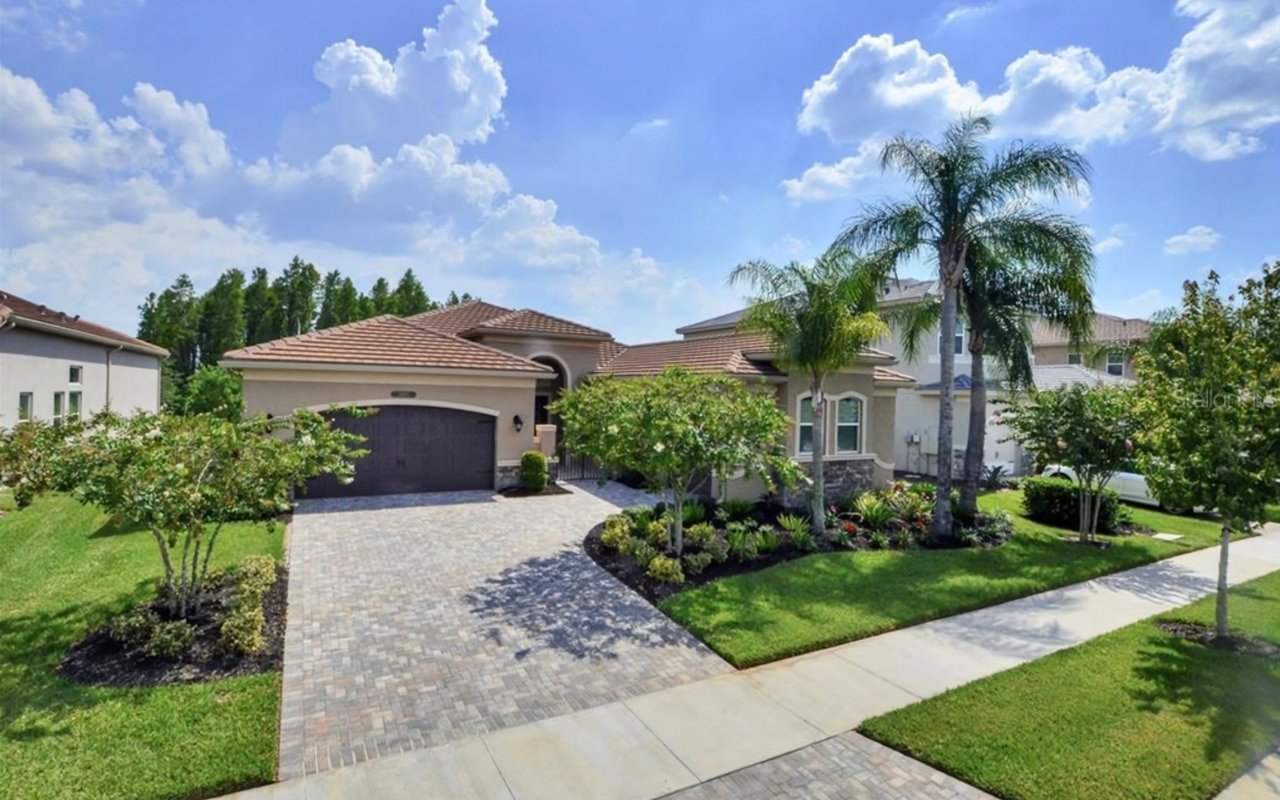
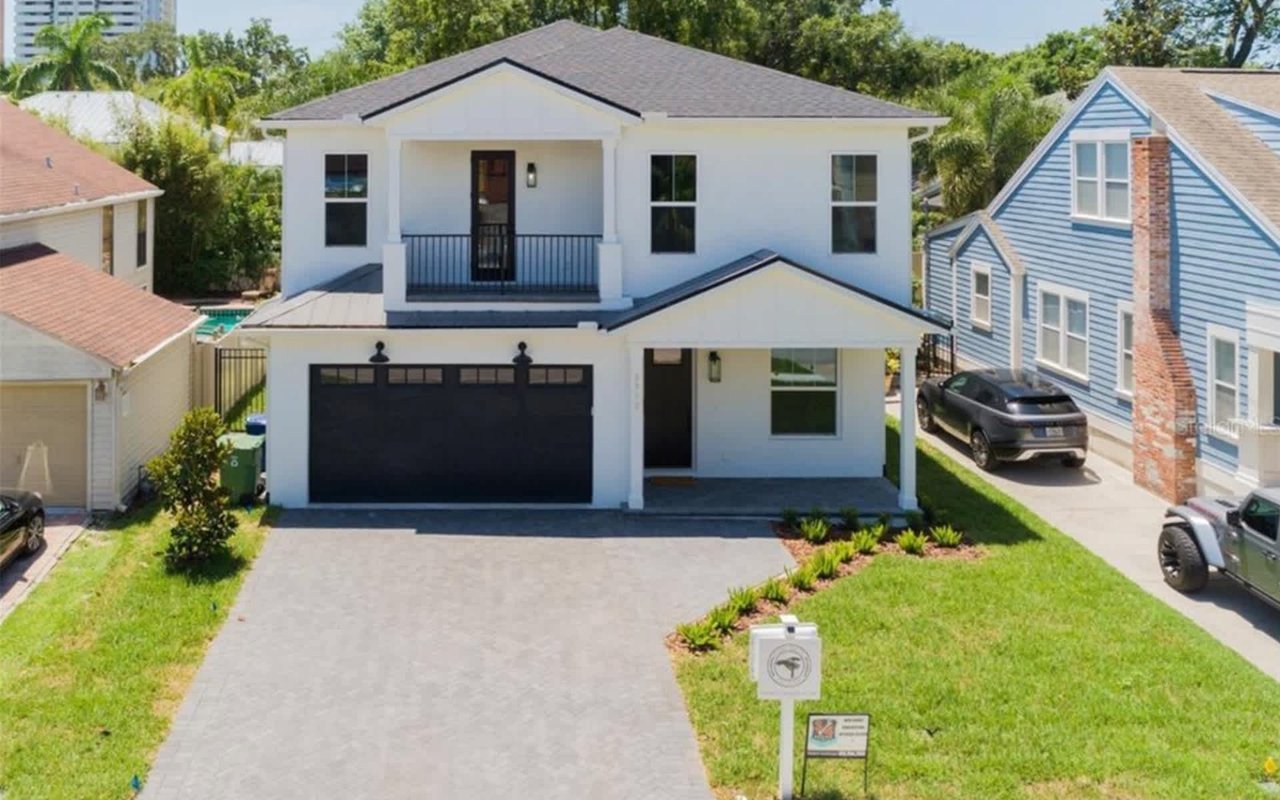
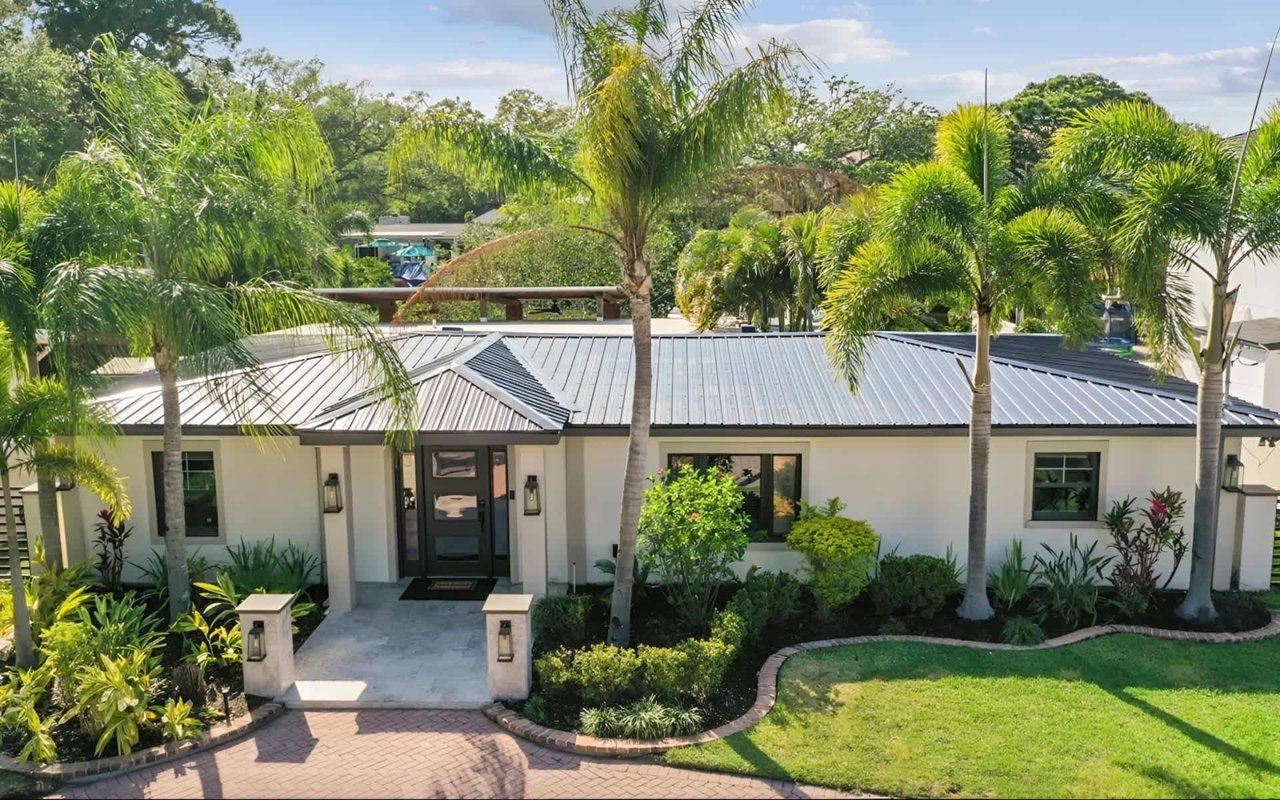
In South Tampa, you may find older renovated bungalows, large established homesites, modern infill, luxury condos, or townhomes. Those differences affect not just price, but maintenance, layout, parking, and long-term flexibility.
The city’s neighborhood pages also reflect ongoing infrastructure work in parts of South Tampa. That is a useful reminder that charm and location can come with tradeoffs tied to older systems and periodic maintenance activity.
Waterfront and Urban Living Feel Different
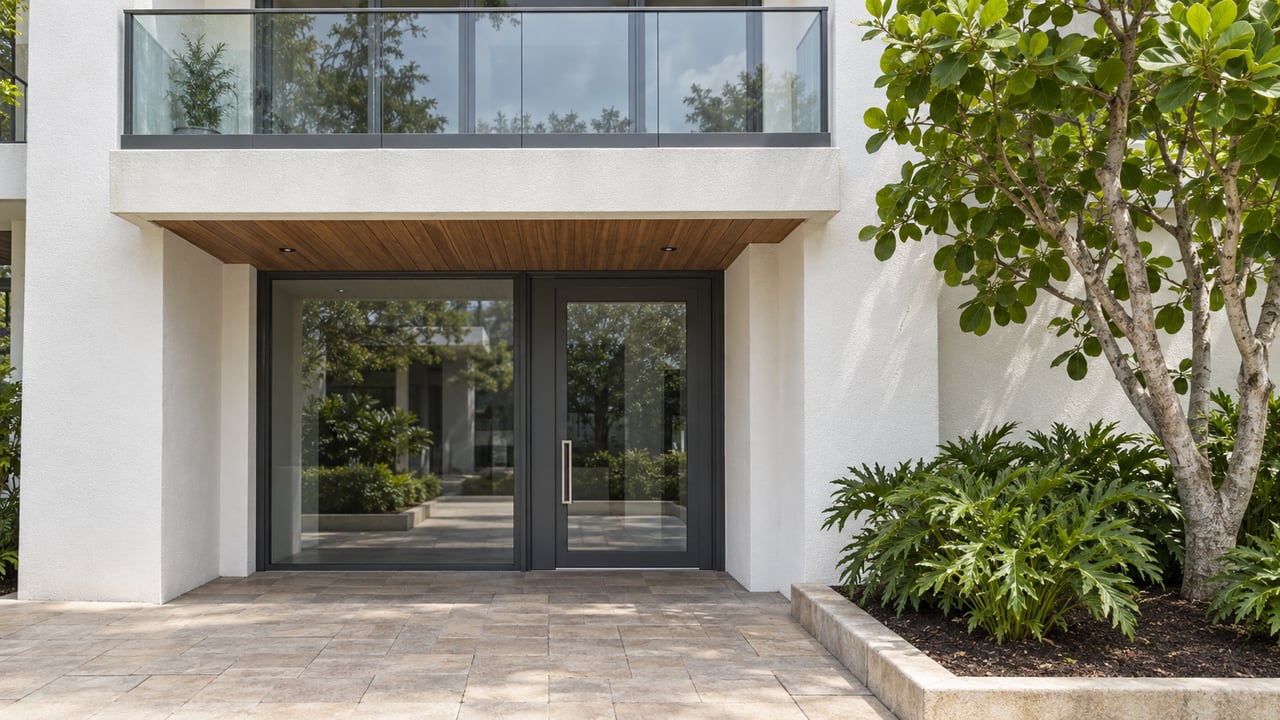
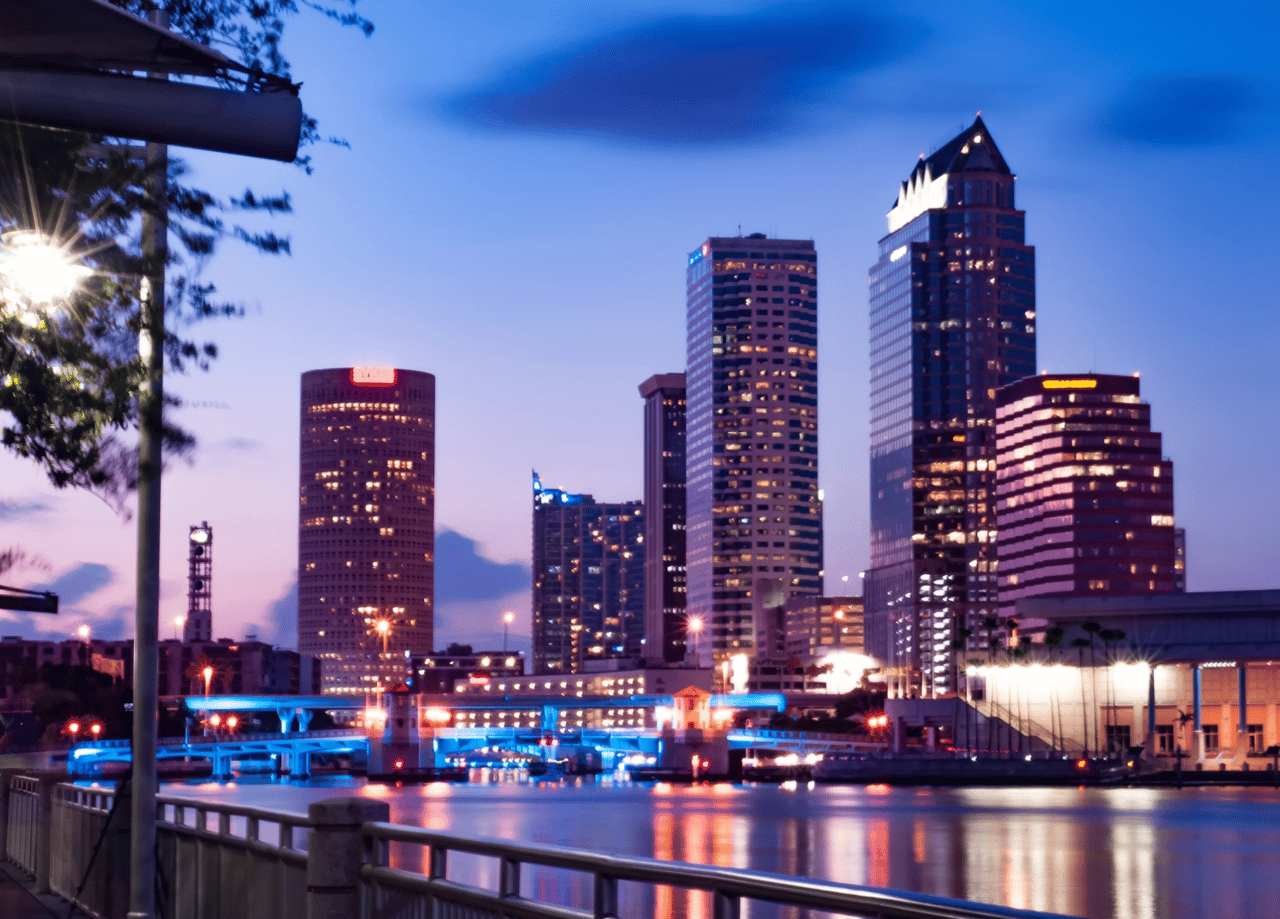
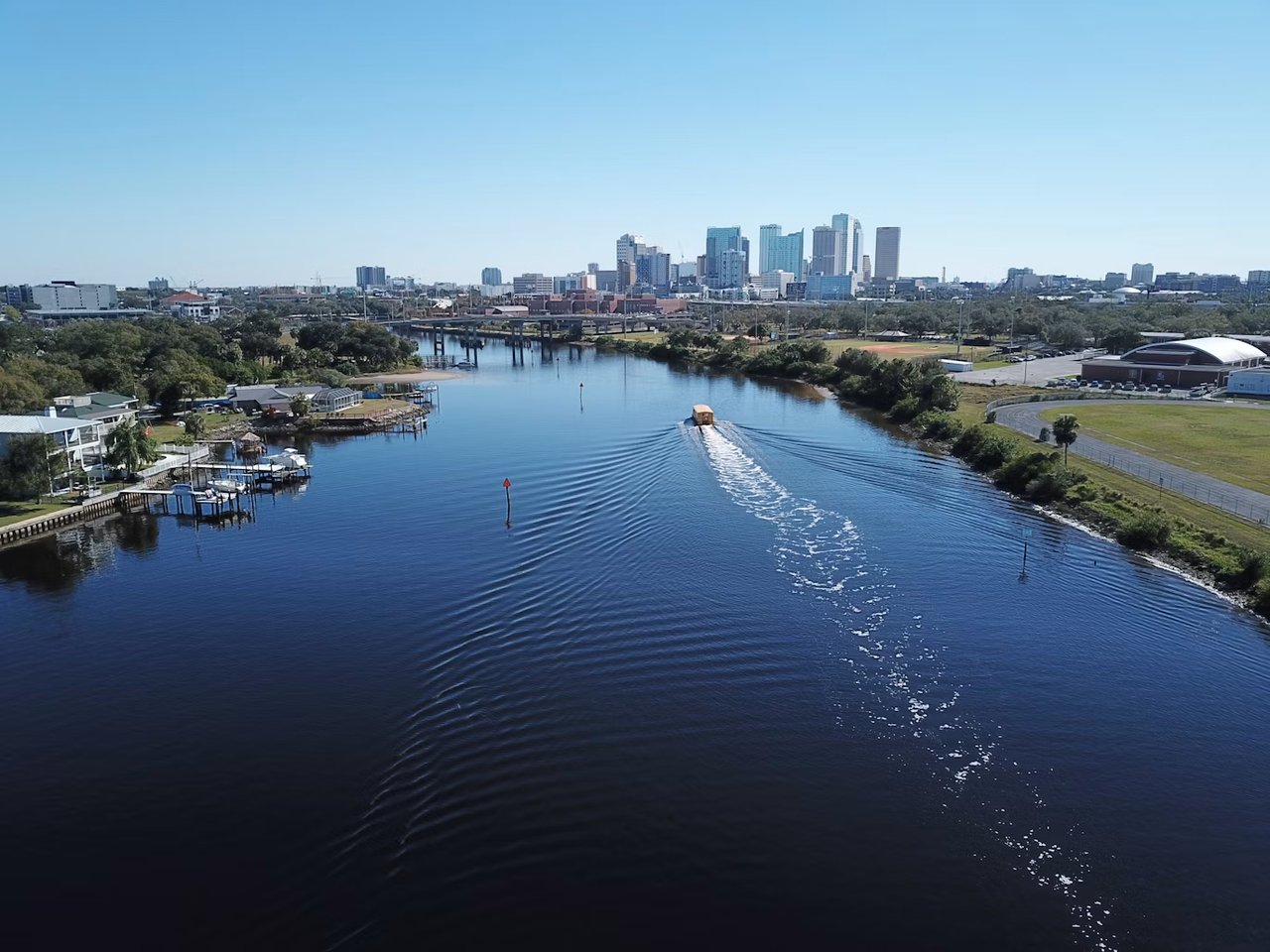
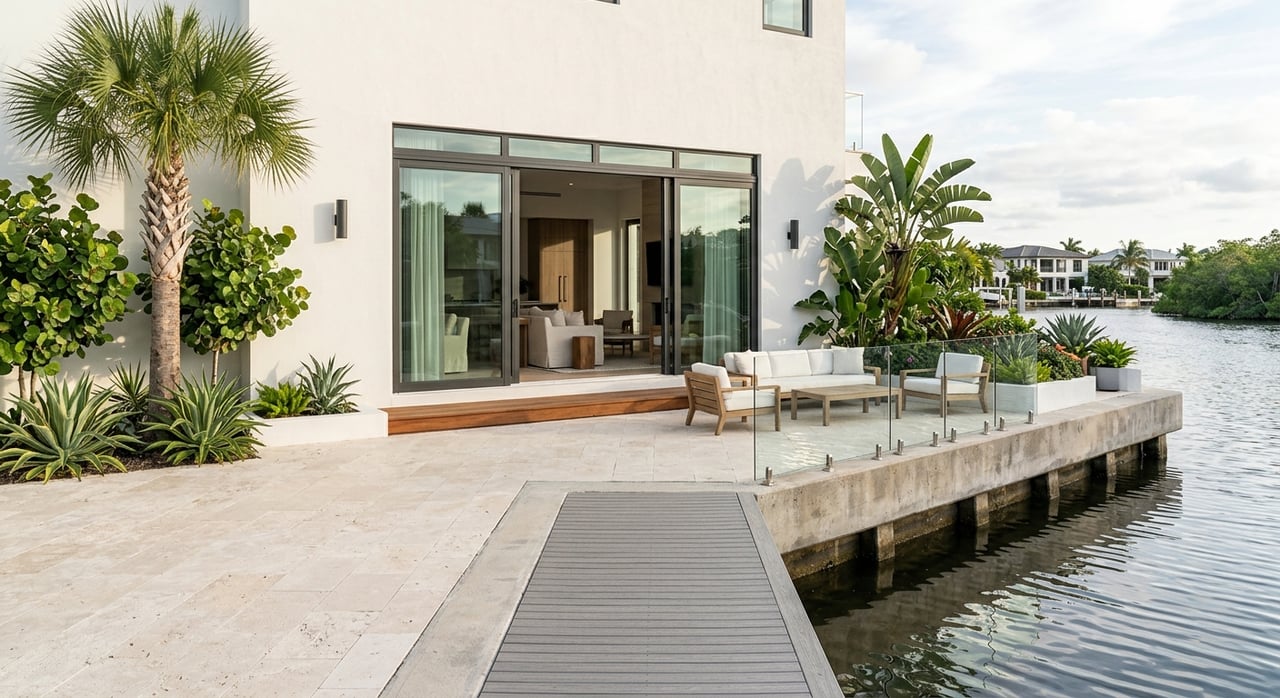
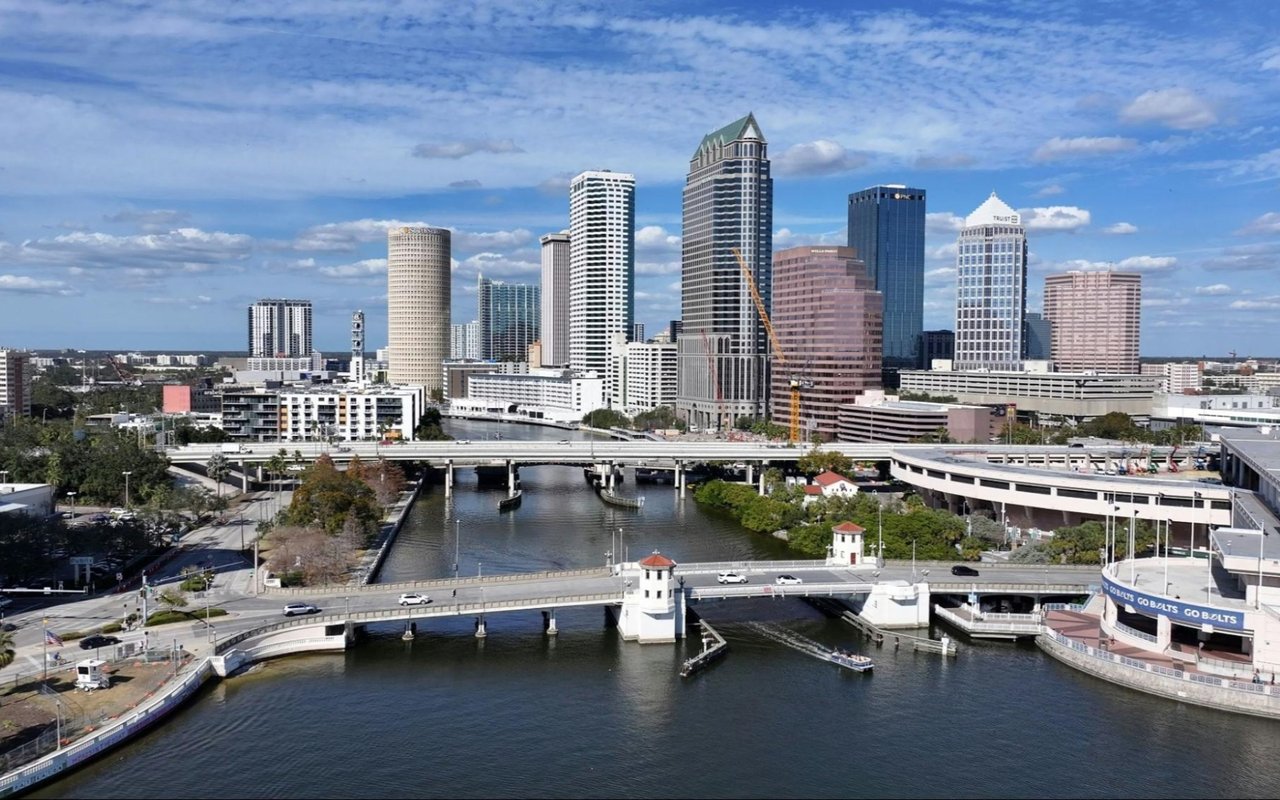
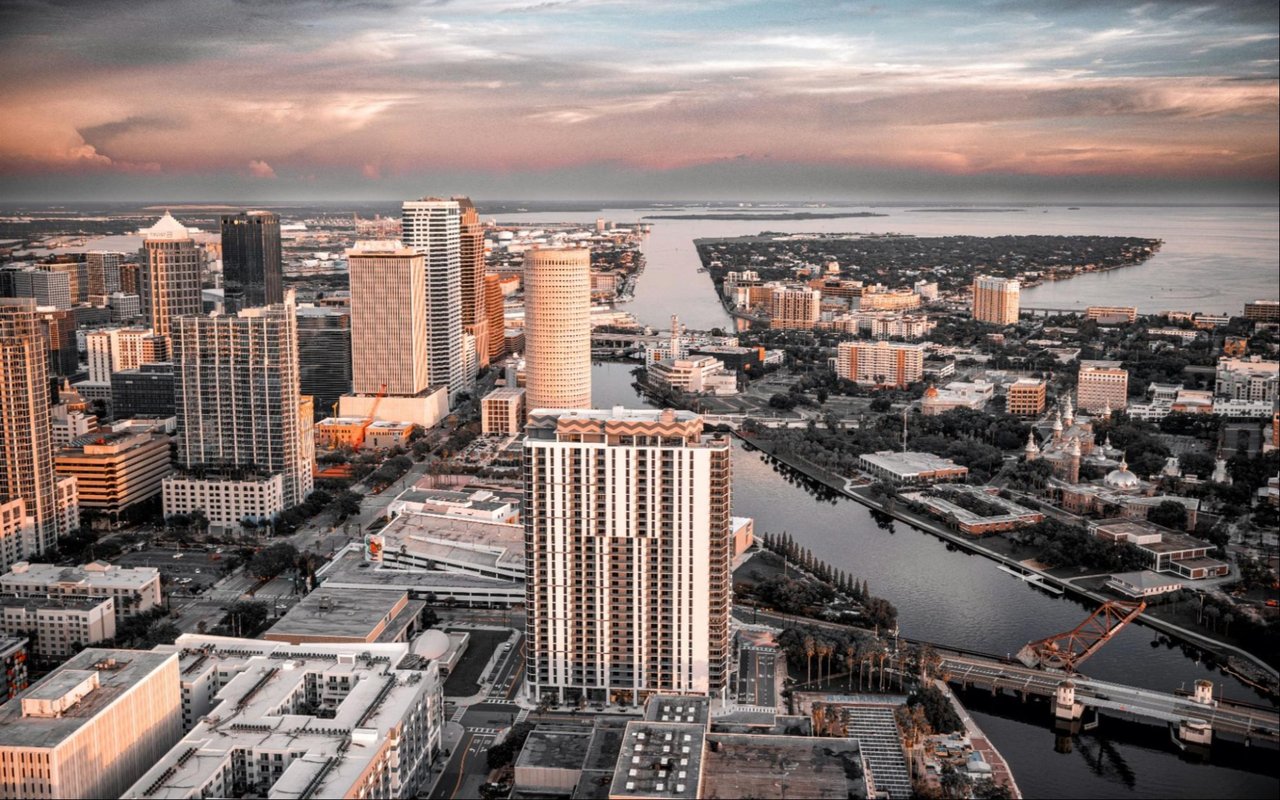
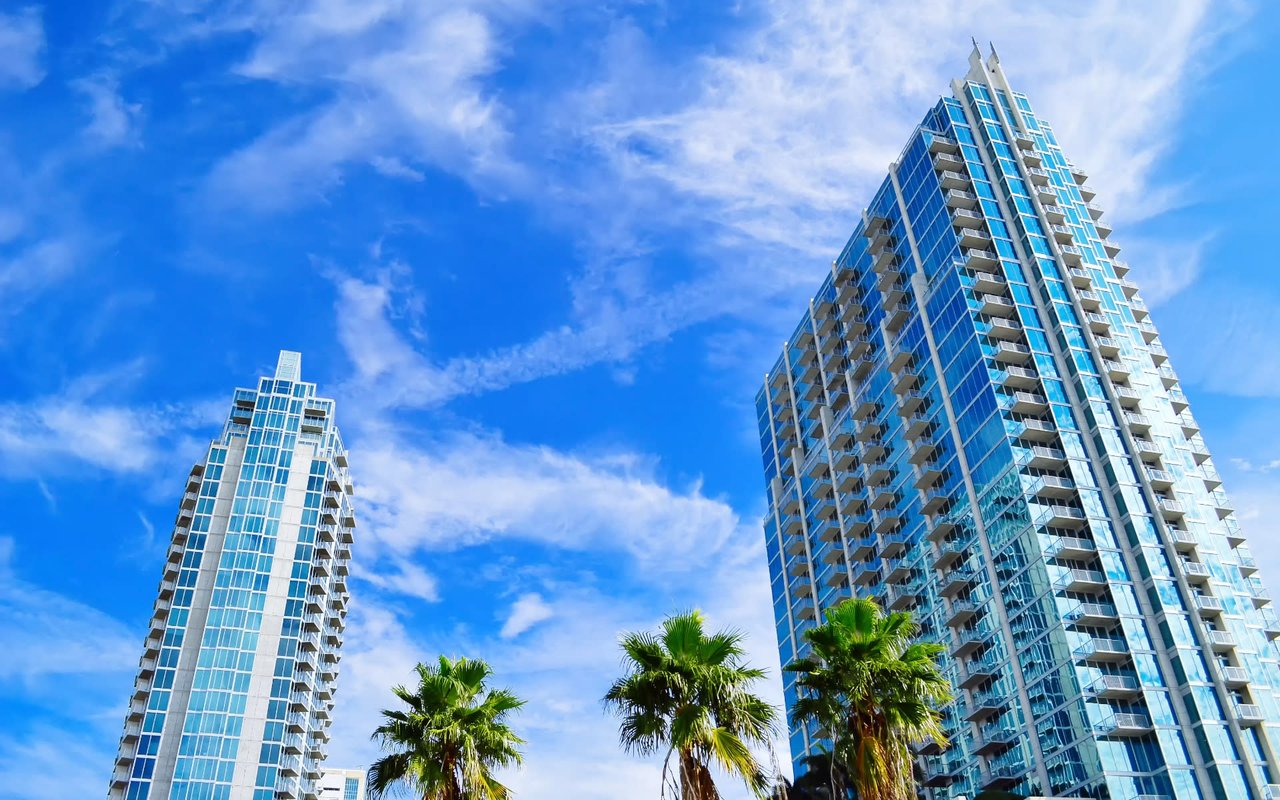
If you picture a more vertical, walkable setting, downtown and waterfront districts may be a better fit. Water Street Tampa is a 56-acre mixed-use district that links downtown’s central business district to the waterfront with residential, office, hotel, retail, and green space.
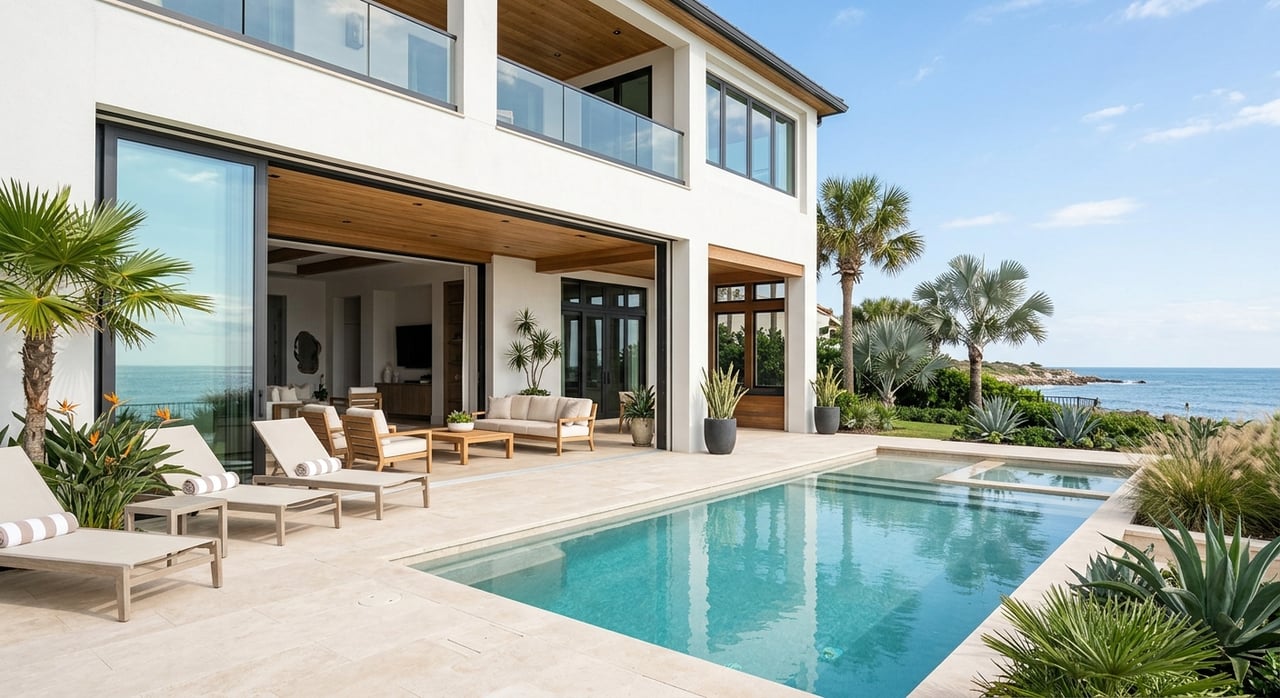
The Channel District is described as a pedestrian-friendly waterfront area with high-rise residential and restaurant options. By contrast, Davis Islands offers a near-downtown, island-oriented lifestyle. Westshore leans more toward airport-adjacent convenience and a strong business-district feel.
Shop Tampa by Submarket, Not by Citywide Average
One of the most important things locals wish you knew is that Tampa pricing can vary a lot from one area to another. Census data shows a median value of owner-occupied homes of $420,400 in the city of Tampa and $371,500 in Hillsborough County. Median gross rent is $1,701 in Tampa and $1,667 countywide.
Those figures are useful starting points, but they do not tell you what a specific lifestyle costs. A historic South Tampa home, a downtown waterfront condo, a Westshore-area residence, and a suburban home in Hillsborough County can sit in very different price bands.
The Market Feels More Balanced Than Peak Frenzy
Recent data points to a market that is still active, but less chaotic than the hottest years. Florida Realtors reported an April 2026 median sale price of $335,000 for single-family homes across the Tampa-St. Petersburg-Clearwater MSA and $180,000 for condo-townhome units. FRED’s Hillsborough County series showed a median listing price of $429,950 in April 2026.
For you, the takeaway is simple. Do not assume “Tampa” has one predictable price point. The better approach is to compare options by submarket, housing type, age, flood exposure, lot size, walkability, and commute access.
What Newcomers Should Prioritize First
Before you narrow your search too quickly, focus on the factors that shape daily life most in Tampa. Locals tend to think in terms of patterns and tradeoffs, not just map distance.
A strong relocation plan usually starts with:
- Your primary work destination or destinations
- Your tolerance for traffic and bridge or interstate driving
- Your preferred housing type, such as condo, townhome, bungalow, or larger single-family home
- Your comfort level with flood exposure and evacuation planning
- Your target budget for purchase price, rent, and ongoing ownership costs
- Your lifestyle priorities, such as walkability, historic character, waterfront setting, or airport access
Why Local Guidance Matters in Tampa
Tampa can be a great place to live, but it rewards buyers and renters who look beyond surface-level impressions. A beautiful street, a short drive on a Sunday afternoon, or a broad citywide price average does not always reflect what daily life will feel like once you move in.
That is why relocation support matters. When you understand how South Tampa differs from downtown, how Westshore differs from Davis Islands, and how flood and commute factors change from block to block, you can make a move that fits both your goals and your routine.
If you are planning a move to Tampa, working with a local team that understands neighborhood nuance, transaction details, and the bigger picture can save you time and reduce risk. To start your search with local insight and full-service guidance, reach out to 360 Realty.
FAQs
What should I know about Tampa commutes before moving?
- Tampa has multiple job centers, and traffic often concentrates around the Howard Frankland Bridge, Veterans Expressway, I-275 north of downtown, and I-4 east of downtown. Your commute experience can vary a lot depending on your route and work hub.
What is Tampa weather really like for new residents?
- Tampa has a mean annual temperature of 74.5°F, long humid summers, and a pronounced rainy season. July average highs reach 91.0°F, and August averages about 9.03 inches of rain.
What is the difference between a flood zone and an evacuation zone in Tampa?
- They are different designations. The City of Tampa says a home can be in a low-risk flood zone and still be in an evacuation zone, or the reverse, so you should review both when evaluating a property.
Which Tampa areas need extra flood due diligence?
- City planning documents identify the western and southern portions of the Interbay Peninsula, Davis Islands, Harbour Island, Hookers’ Point, and port areas as especially susceptible to flooding in severe events.
Is South Tampa one neighborhood?
- No. South Tampa includes multiple submarkets with very different housing styles, lot sizes, price points, and lifestyle settings, including historic areas, infill development, condos, and larger established homesites.
Are Tampa home prices the same across the city?
- No. Pricing varies widely by submarket and property type. Historic South Tampa neighborhoods, downtown waterfront condos, Westshore-area housing, and suburban Hillsborough homes can fall into very different price ranges.