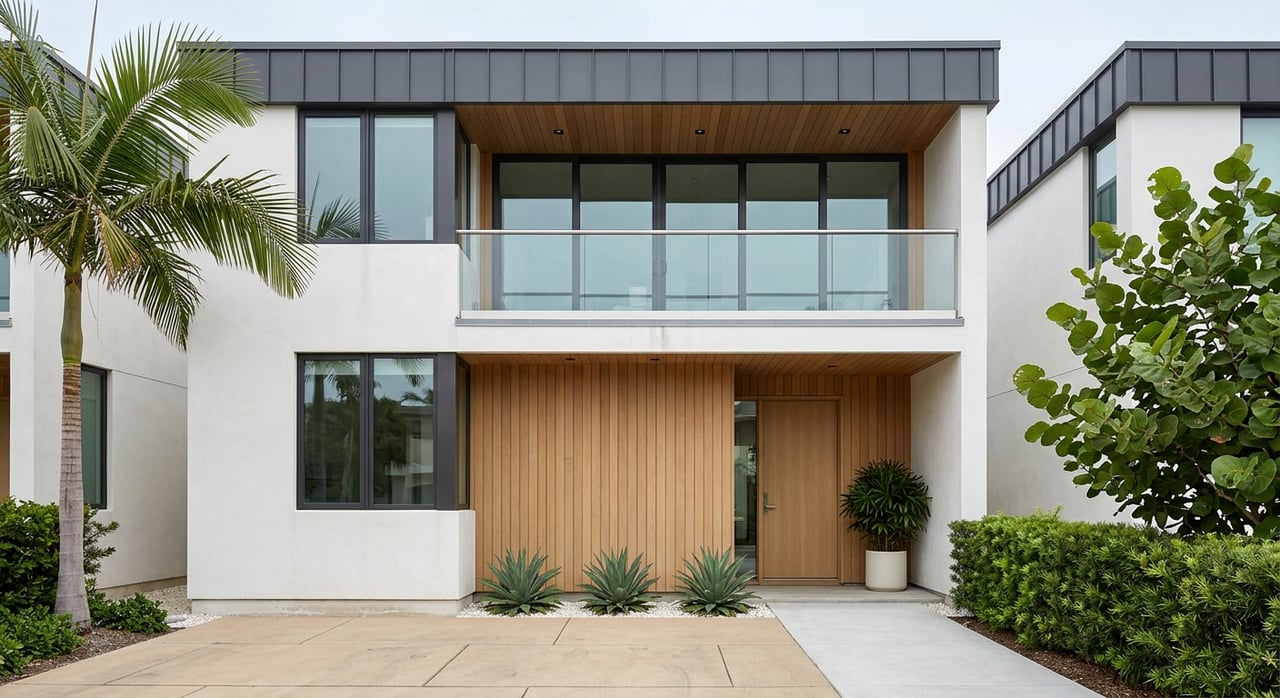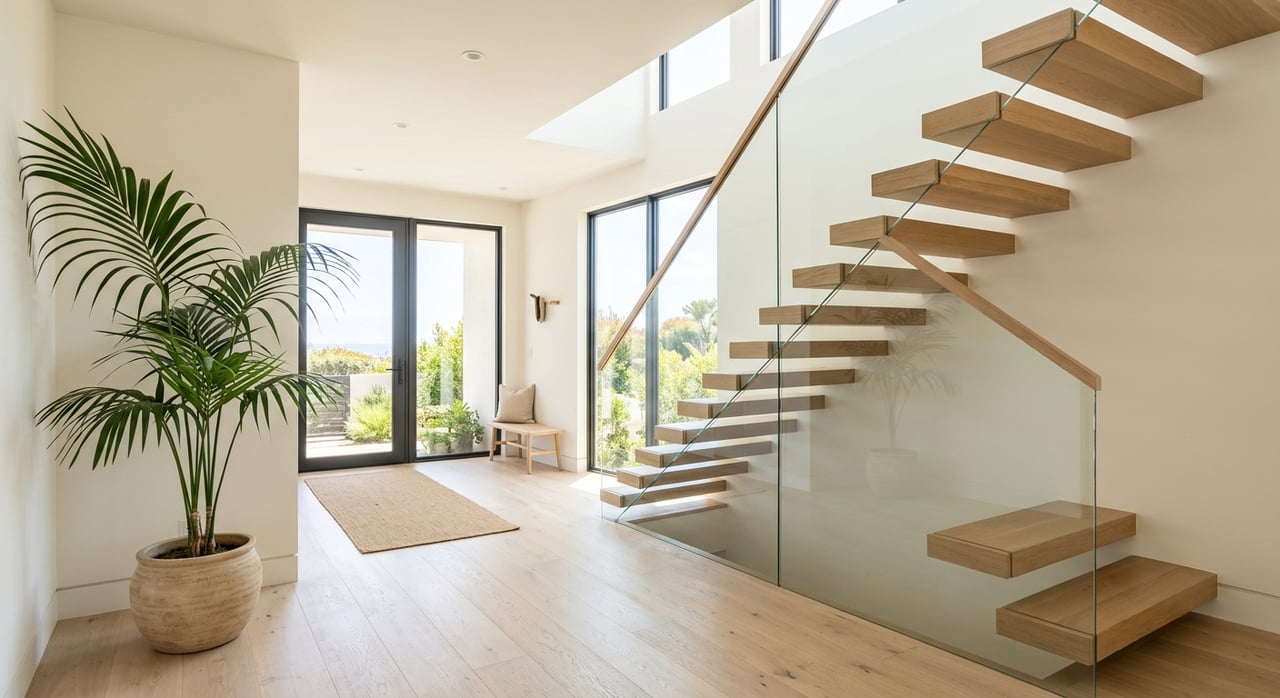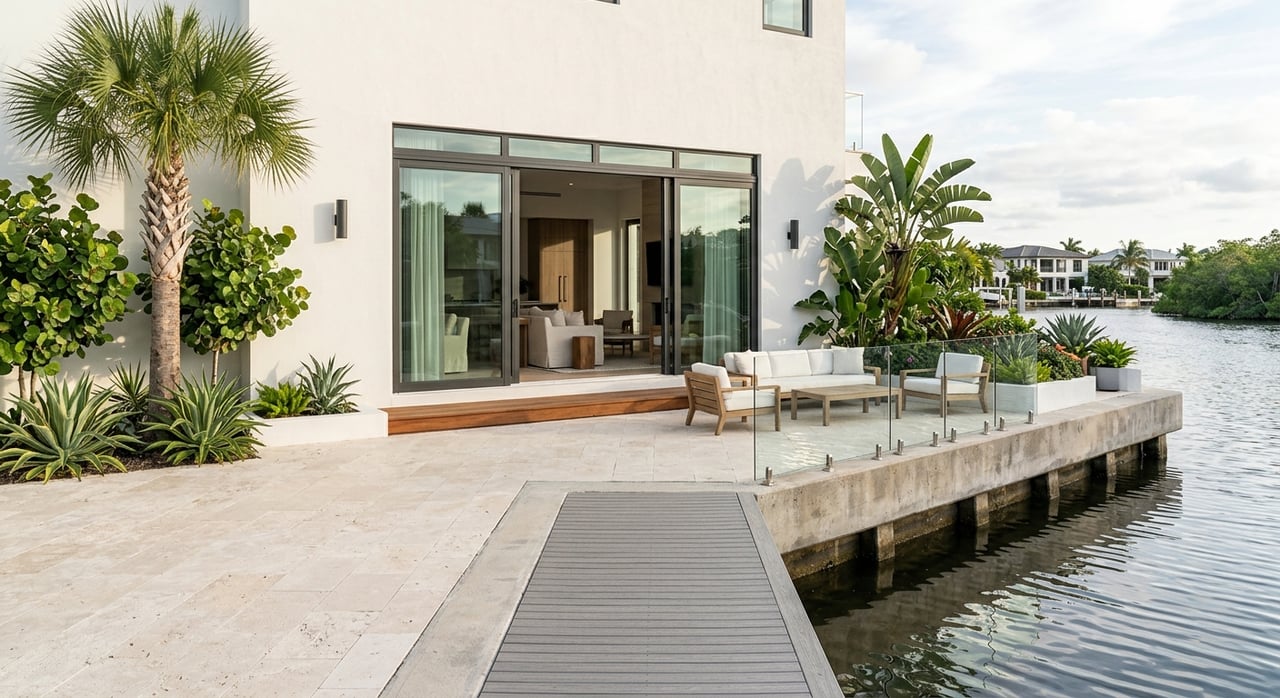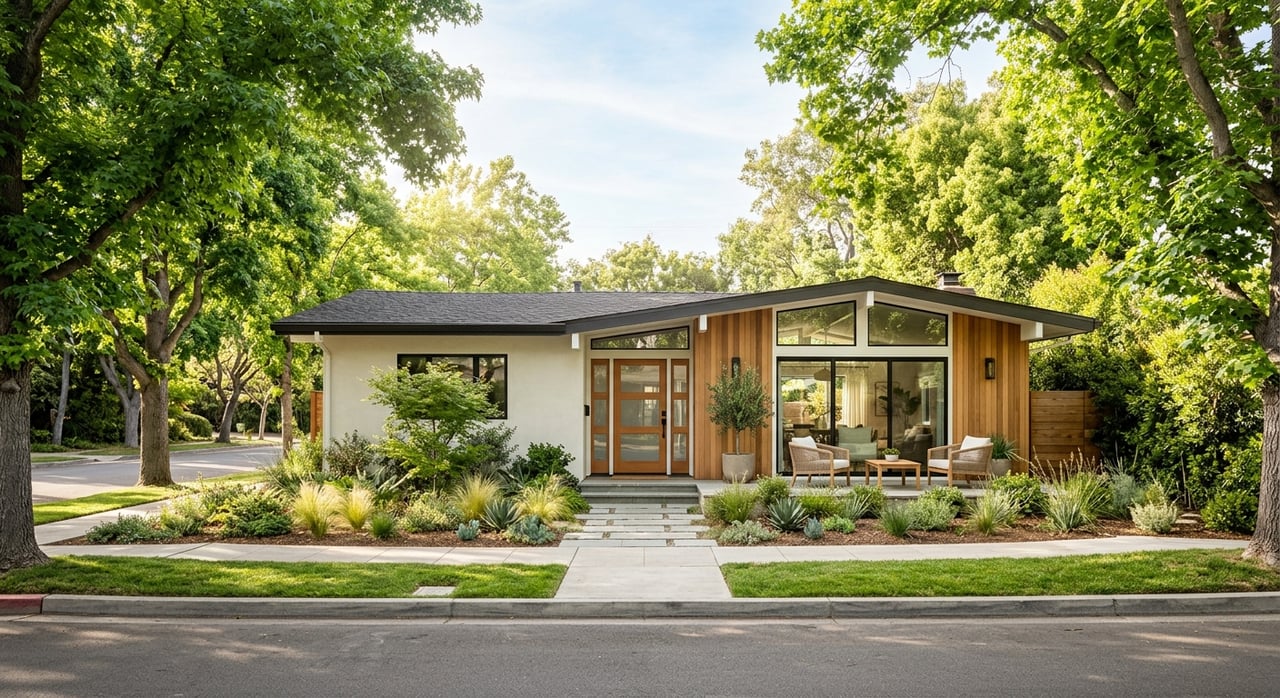
What Impacts ROI for South Tampa Properties for Sale?
Real estate ROI in South Tampa is primarily driven by neighborhood micro-location, property type selection, long-term appreciation rates, and carrying costs like flood insurance and property taxes. Prime areas like Hyde Park and Davis Islands offer strong capital appreciation, while Palma Ceia and Beach Park deliver steady long-term rental demand.
Analyzing potential residential investments in Hillsborough County? Explore active inventory with our South Tampa real estate listings or connect directly with a 360 Realty investment advisor.
Primary Factors Influencing Real Estate ROI in South Tampa
Investing in South Tampa real estate can be highly rewarding, but maximizing your returns depends on understanding the factors that directly impact ROI. With strong demand, desirable neighborhoods, and limited inventory, South Tampa offers excellent potential for both short-term gains and long-term appreciation.
1. Location Within South Tampa Neighborhoods
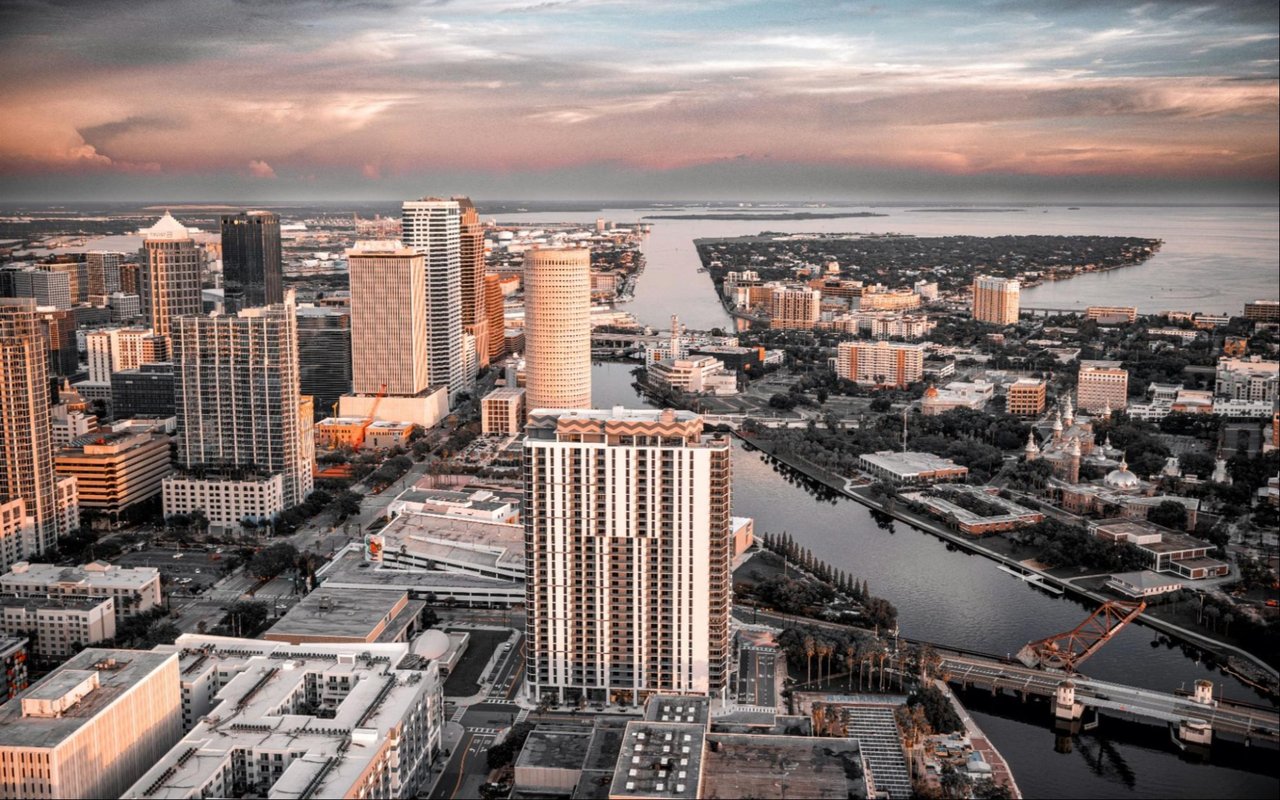
Location is the single biggest driver of return on investment. While South Tampa as a whole is a prime market, not every neighborhood performs the same. Properties in Hyde Park and Davis Islands often command premium prices due to walkability, exclusivity, and waterfront access. Meanwhile, Palma Ceia and Bayshore Beautiful attract families with top schools, green spaces, and lifestyle amenities.
Choosing the right neighborhood based on your investment strategy is critical. A luxury condo near Bayshore Boulevard may be ideal for professional renters or retirees, while a single-family home in Palma Ceia may deliver steady long-term rental income. Understanding micro-market trends ensures you buy in areas with strong appreciation and rental demand.
2. Property Type and Physical Condition
The type of property you invest in significantly affects ROI. Single-family homes, townhouses, condos, and multi-family units each carry different risk and reward profiles:
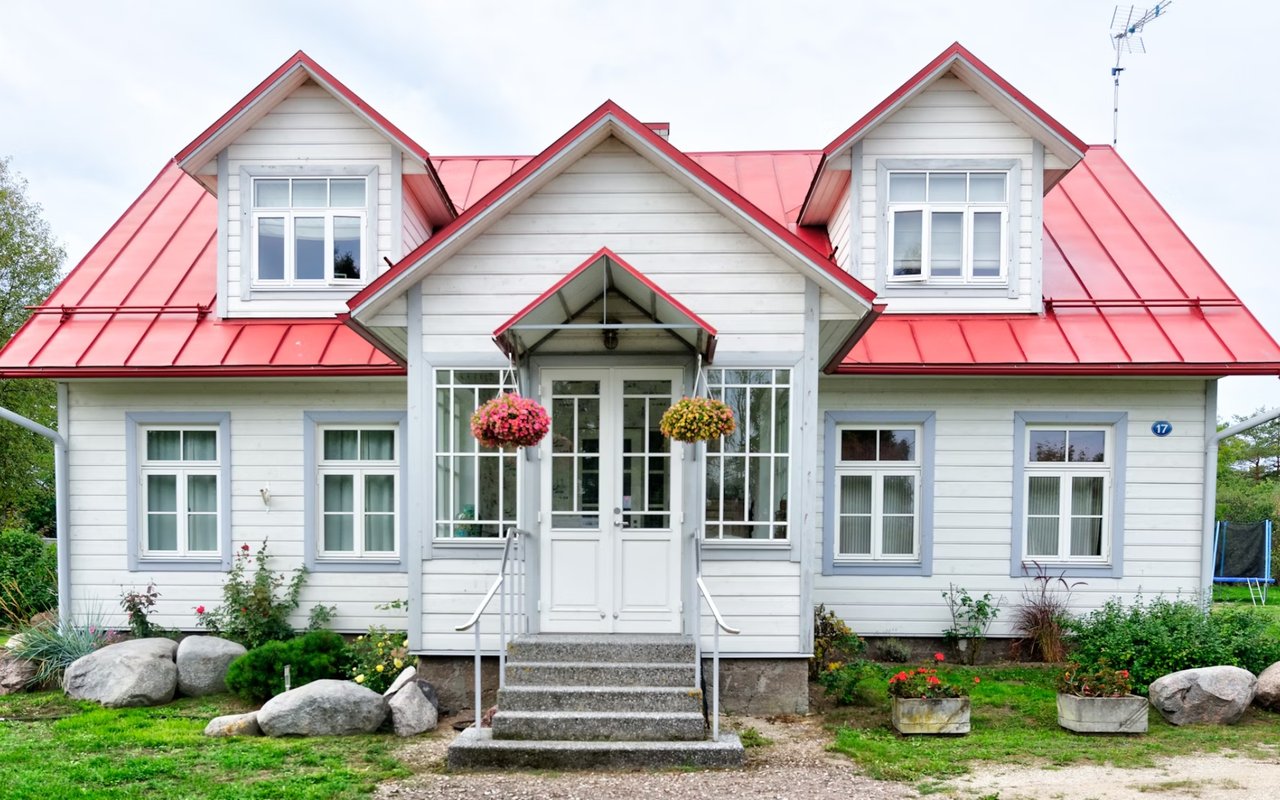
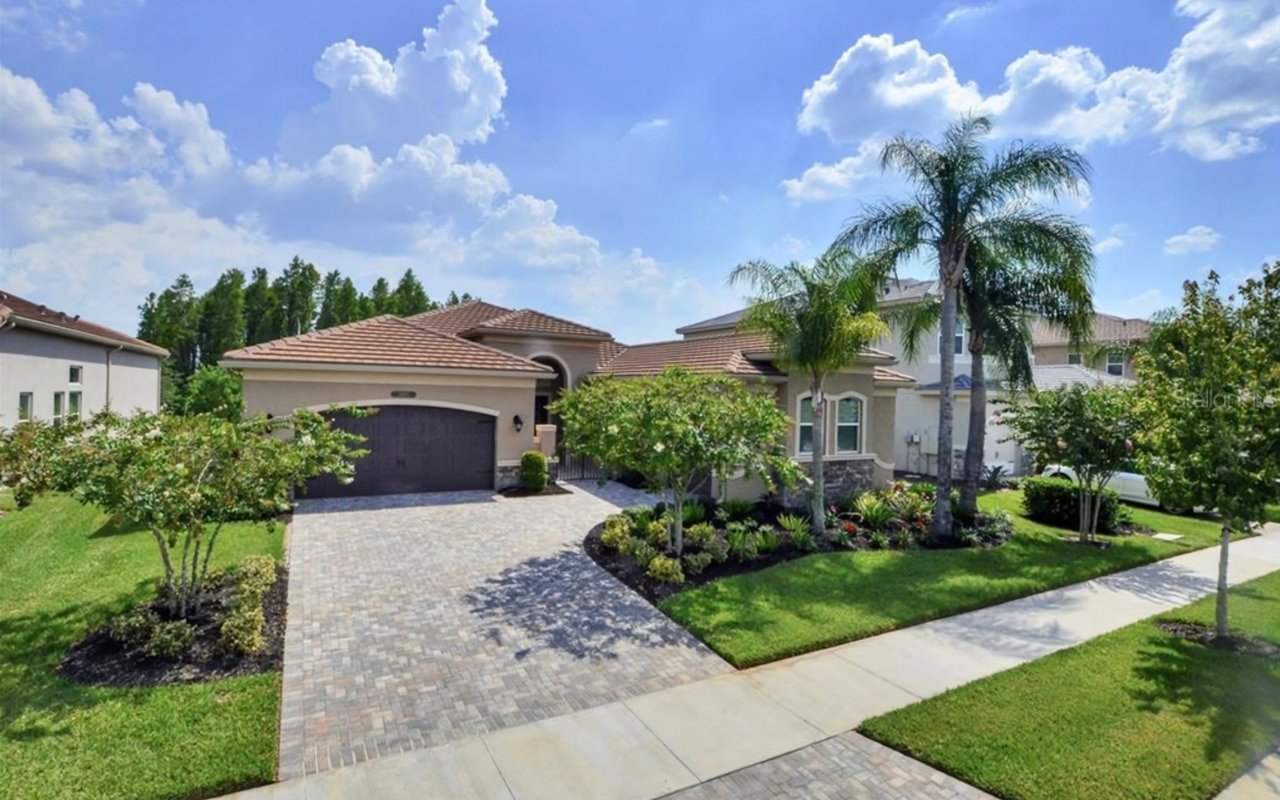
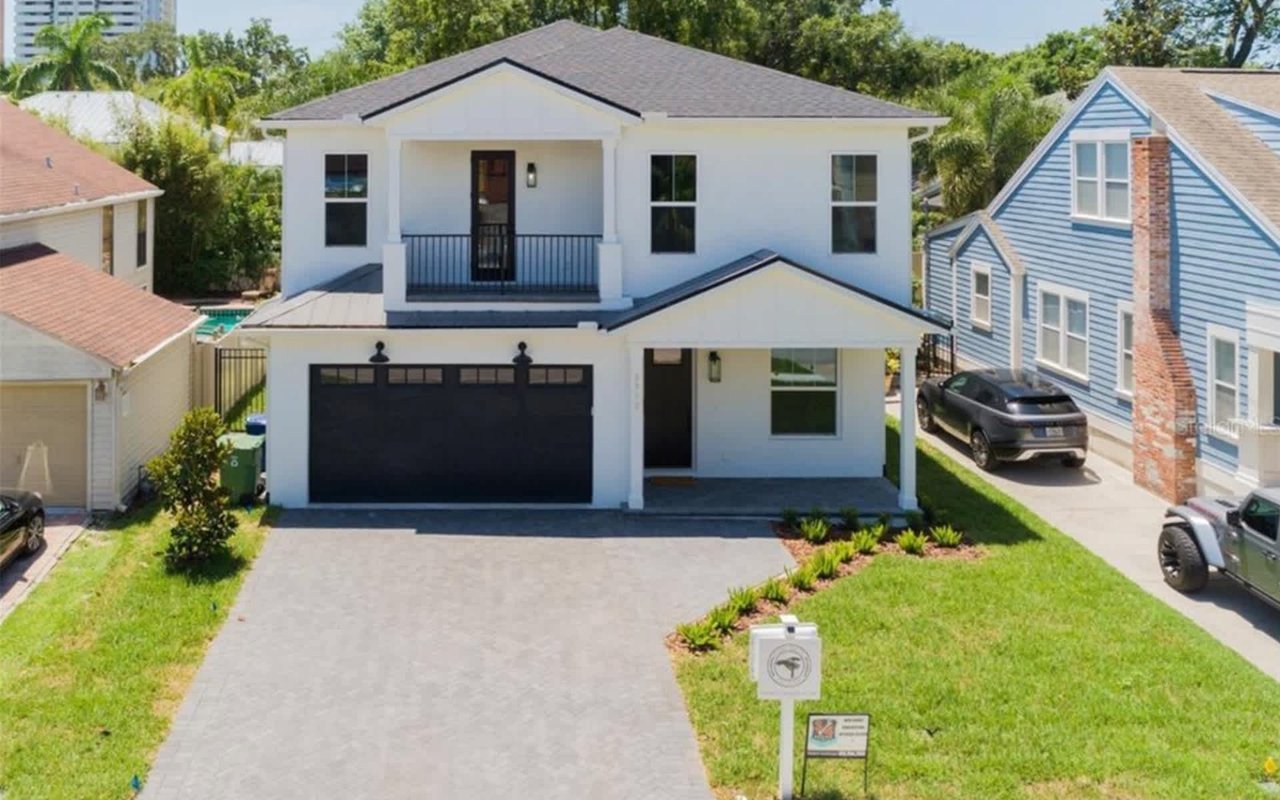
- Single-Family Homes: High demand among long-term renters and buyers, especially near top school districts.
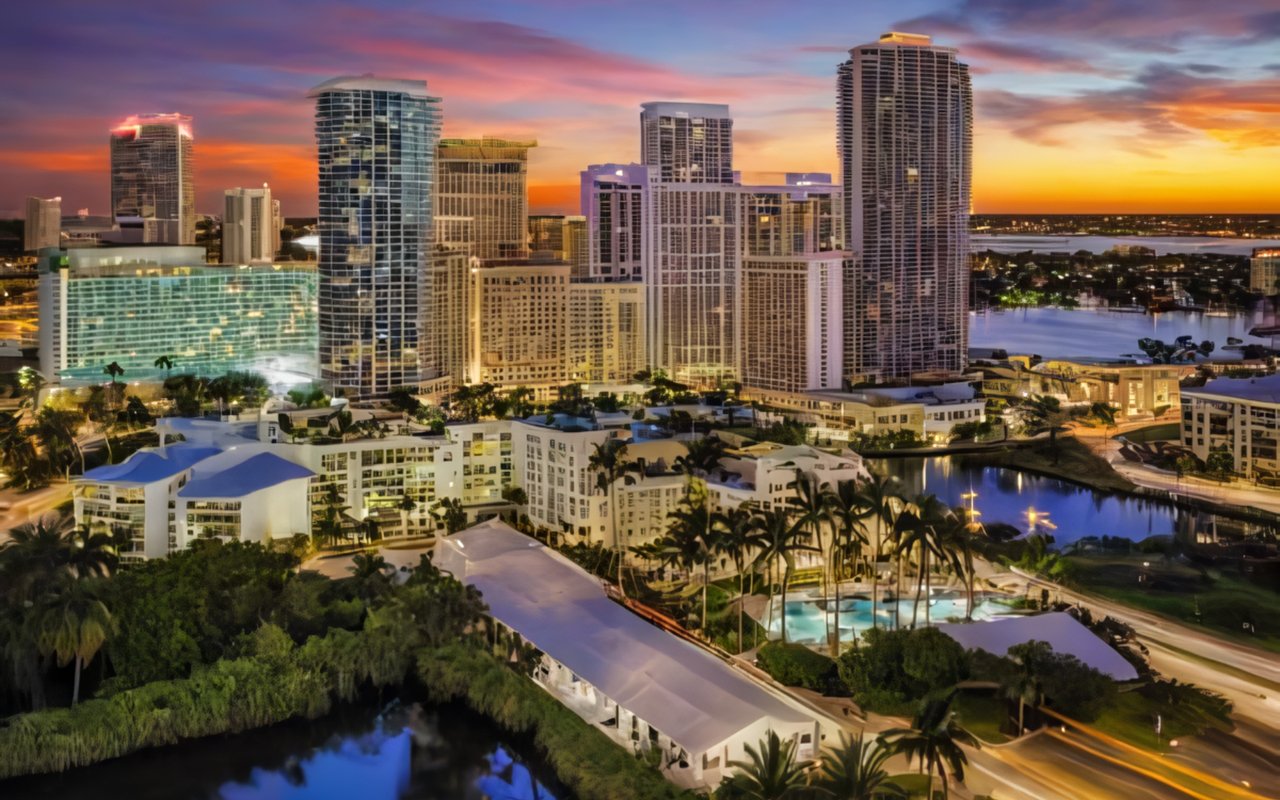
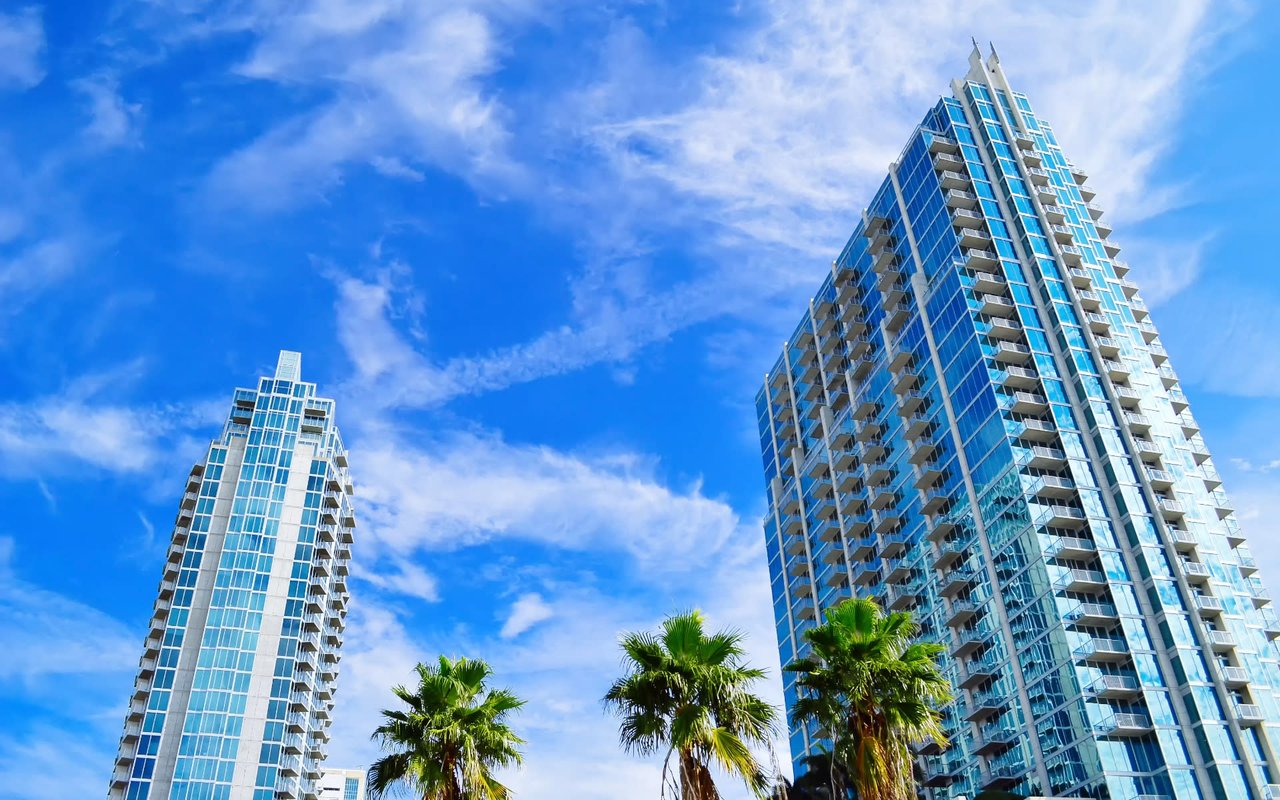
- Condos: Strong appeal for professionals and part-time residents, though HOA fees cut into net cash flow.
- Multi-Family Properties: Higher upfront acquisition cost but stronger cash flow and rental income potential.
- Fix-and-Flip Opportunities: Potential for rapid ROI when renovations are tightly budgeted and managed.
The condition of the property also plays a role. While turnkey properties command higher purchase prices, they generate immediate rental income with minimal maintenance. Fixer-uppers offer lower entry costs but require time, expertise, and capital to realize capital gains.
3. Market Timing and Interest Rate Environment
Timing your purchase and sale can have a significant impact on ROI. South Tampa's market is competitive, and homes often receive multiple offers. Buying during slower seasonal windows or before peak demand can help you secure better pricing. Conversely, selling during peak demand in spring and early summer maximizes sale proceeds.
Additionally, prevailing mortgage interest rates directly influence buyer demand, monthly debt service, and overall investment yields.
4. Rental Demand and Income Potential
For investors planning to rent their properties, South Tampa benefits from robust rental demand driven by key local catalysts:
- Proximity to Downtown Tampa, Westshore Business District, and MacDill Air Force Base
- Top-rated public school zoning (Plant High School, Coleman Middle, Mabry Elementary)
- A steady influx of relocating professionals, medical workers, and corporate executives
- Tourism and seasonal visitors driving demand for mid-term and short-term rentals
5. Long-Term Appreciation Rates
Long-term ROI is heavily determined by appreciation. South Tampa has a long history of strong property value growth due to land constraints on the peninsula and sustained inbound migration. Properties near the waterfront, historic districts, and luxury developments historically appreciate faster than outlying markets.
6. Property Taxes and Flood Insurance
Florida offers the financial advantage of zero state personal income tax, which boosts overall net yields. However, investors must accurately factor property taxes and insurance into gross margin calculations.
South Tampa peninsula properties in coastal or low-lying flood zones require specialized flood insurance policies. Ongoing insurance premiums impact net operating income (NOI) and must be evaluated during property due diligence.
7. Strategic Renovation and Property Upgrades
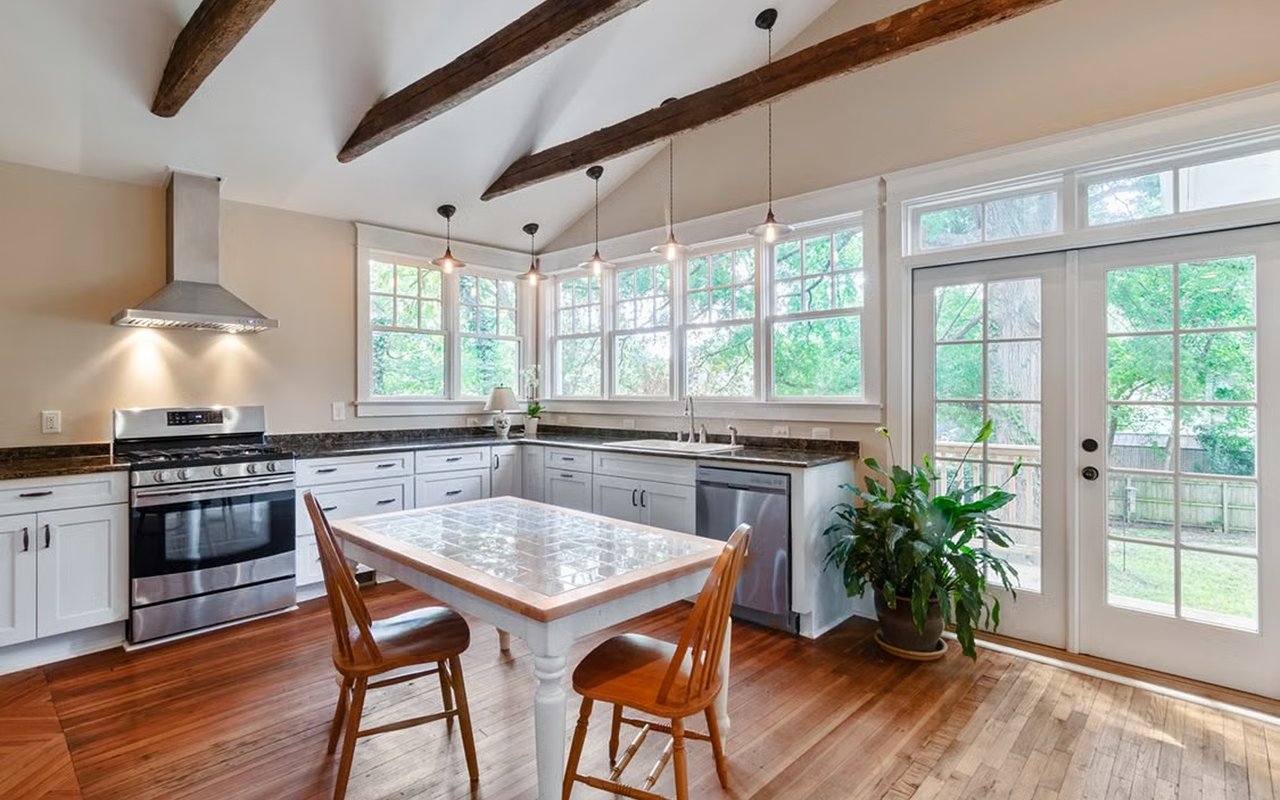
Targeted renovations can dramatically increase property value and rental rates. High-ROI improvements include modern kitchen updates, luxurious bathrooms, energy-efficient HVAC units, and outdoor living spaces. Restoring historic homes in neighborhoods like Hyde Park and Virginia Park creates substantial equity gains when executed within budget.
8. Financing Terms and Capital Leverage
How you finance your investment directly influences cash-on-cash return. Favorable mortgage rates and conservative leverage allow investors to control larger appreciation assets while preserving cash reserves.
9. Property Management Efficiency
For rental assets, professional management quality dictates operational ROI. Efficient tenant screening, prompt maintenance dispatch, and low vacancy rates protect annual rental income.
10. Economic Growth and Local Job Market Trends
Tampa's expanding job market and population growth continue to propel South Tampa real estate values. Infrastructure investments in Downtown Tampa, Water Street, and Westshore directly enhance adjacent South Tampa residential values.
Property Type ROI Analysis Matrix
Property Category | Appreciation Potential | Rental Cash Flow | Maintenance & Overhead Costs | Target Buyer / Tenant Profile |
|---|---|---|---|---|
Single-Family Homes | High (Top Tier) | Moderate | Moderate (Owner handles exterior) | Families, long-term tenants |
Luxury Condominiums | Moderate to High | Moderate (Reduced by HOA fees) | Low internal (HOA covers exterior) | Young professionals, retirees, seasonal residents |
Multi-Family Units (2-4 Units) | Moderate | High (Multiple income streams) | High (Higher tenant turnover) | Individual renters, workforce housing |
Historic Fixer-Uppers | Very High (Post-renovation value) | Low initially / High post-renovation | High initial capital outlay | Luxury buyers, premium renters |
Key Investment Risks to Monitor in South Tampa
While South Tampa is a resilient market, investors must actively mitigate risk. Major risk factors include rising flood insurance premiums, weather events, and over-renovating beyond neighborhood comp ceilings. Conducting thorough due diligence with local advisors helps insulate your portfolio.
Maximizing Investment Returns with Local Expertise
Partnering with an established local brokerage ensures access to off-market properties, precise neighborhood comps, and accurate rental projections. At 360 Realty, our team understands the financial mechanics driving South Tampa real estate. Contact 360 Realty today to explore high-ROI investment opportunities across South Tampa.
Written by 360 Realty Tampa
360 Realty is a premier residential real estate brokerage based in Tampa, FL, specializing in South Tampa property acquisitions, market analysis, and investment property portfolio management throughout Hillsborough County.
Frequently Asked Questions
What neighborhood in South Tampa offers the highest rental yield?
Neighborhoods like Palma Ceia, Ballast Point, and Virginia Park typically offer strong rental yields due to high demand for top school districts and consistent tenant retention compared to higher entry-cost waterfront pockets.
How does flood insurance impact property ROI in South Tampa?
Properties in designated high-risk flood zones (such as Zone AE) require mandatory flood insurance, which increases annual operating costs. Factoring premium quotes into your initial financial modeling protects your projected net yields.
Is it better to invest in single-family homes or condos in South Tampa?
Single-family homes generally yield higher long-term land appreciation and attract multi-year tenants, whereas condos offer lower entry prices but carry monthly HOA fees that impact net cash flow.
What is the average property appreciation rate in South Tampa?
Historically, South Tampa properties have experienced robust multi-year appreciation rates that outperform broader national averages due to peninsula geographic boundaries and limited inventory supply.
Related Reading
- South Tampa Neighborhood Guide
- Understanding Real Estate Contingencies and How They Work
- 5 Things to Know About Cryptocurrency in Real Estate
- Selling Your South Tampa Investment Property
Data sourced from Greater Tampa Association of REALTORS (GTAR) market reports and Hillsborough County Property Appraiser records.