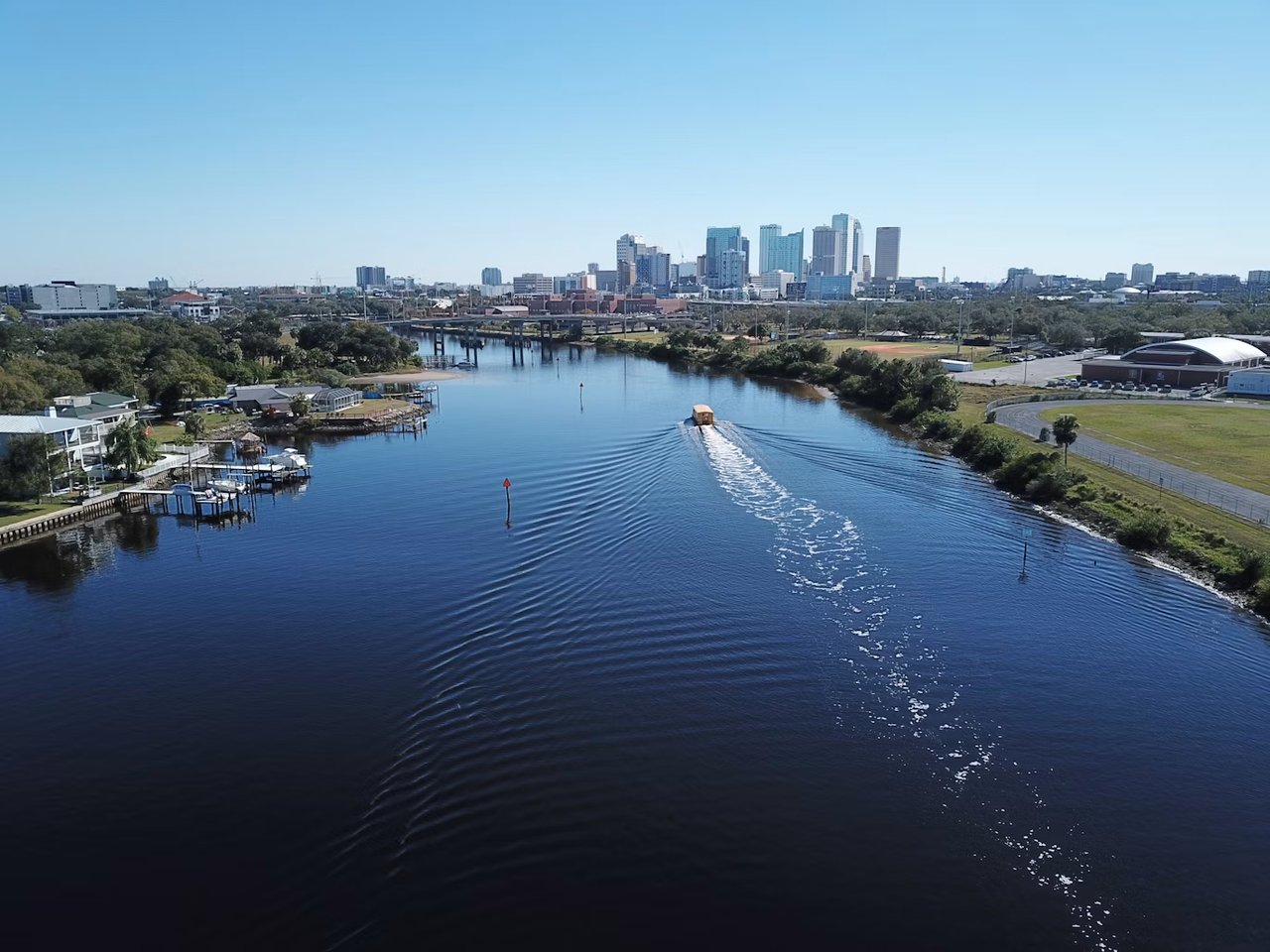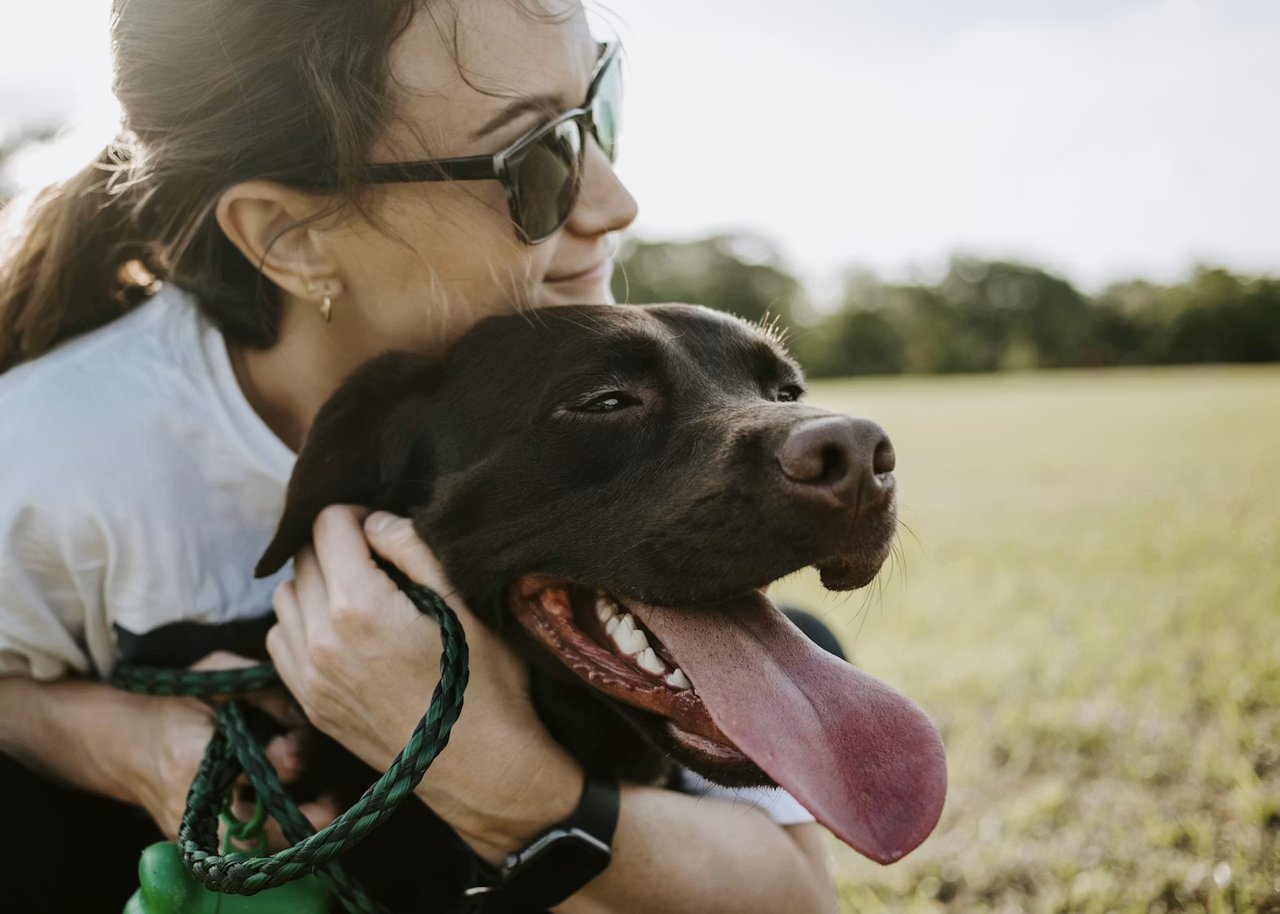
Saturday morning in Palma Ceia starts at the fence line of Fred Ball Park, where the dog crowd gathers before the heat sets in and somebody always mentions whether the tide's high enough to watch mullet jump off the seawall. By ten, most of that same crowd has drifted a few blocks inland to the stretch of MacDill Avenue where it meets Bay to Bay Boulevard, and nobody treats it as a special trip. You can get coffee, pick up a birthday card, look at a gallery show, and book a tee time without ever getting back in the car.
That compactness is the thing worth noticing. The design district that feels like it has always been there is, by the city's own paperwork, barely old enough to buy a drink. The reason the loop works isn't that Palma Ceia planned a walkable commercial core from scratch. It's that a century of unrelated additions, a golf club, a spring-fed swimming hole, a scattering of shops, all landed on the same few blocks and shaped what remained.
Two Blocks, Not Two Miles
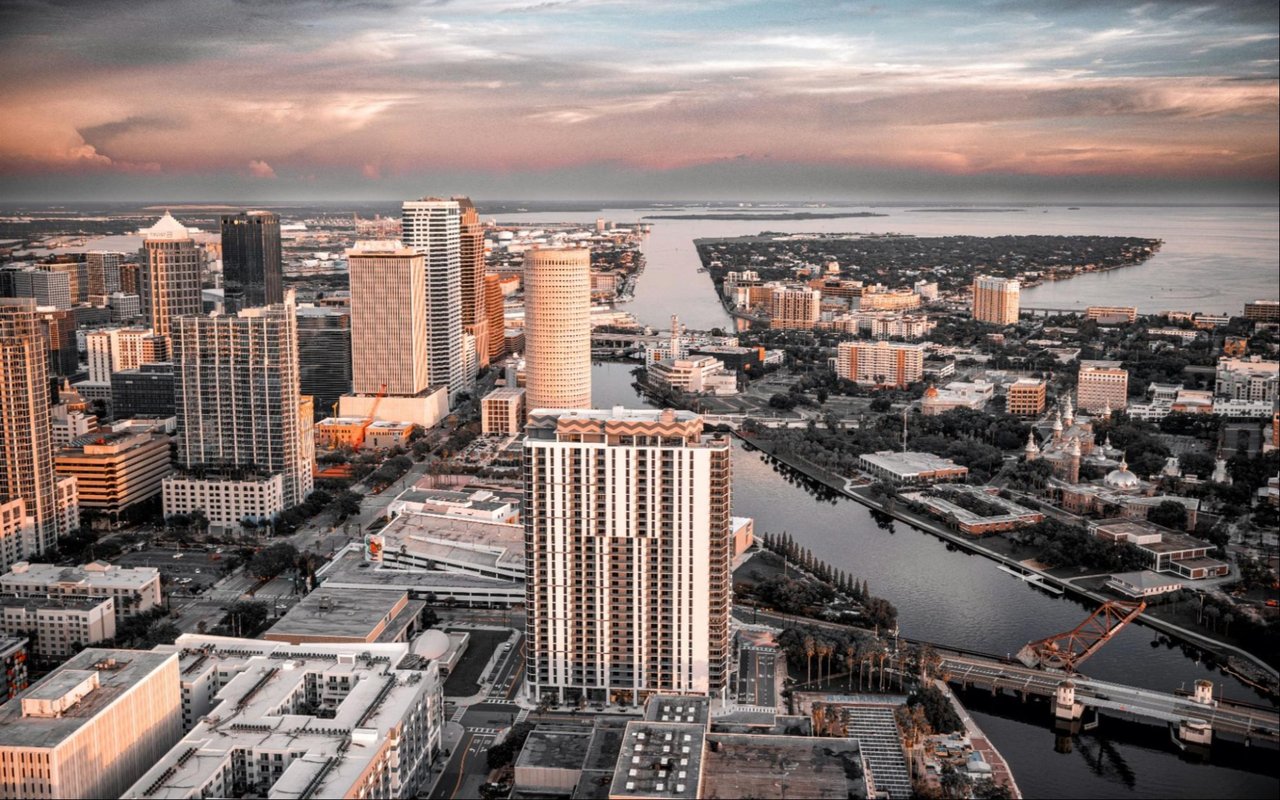
The Palma Ceia Design District sits at the intersection of South MacDill Avenue and West Bay to Bay Boulevard, and according to the City of Tampa's planning department, the commercial activity the city is actively trying to shape runs along roughly half a mile of Bay to Bay, one block north and south, from Himes Avenue to the Leroy Selmon Expressway. The district is also, per Wikipedia's neighborhood entry, about a half-mile walk from Bayshore Boulevard itself.
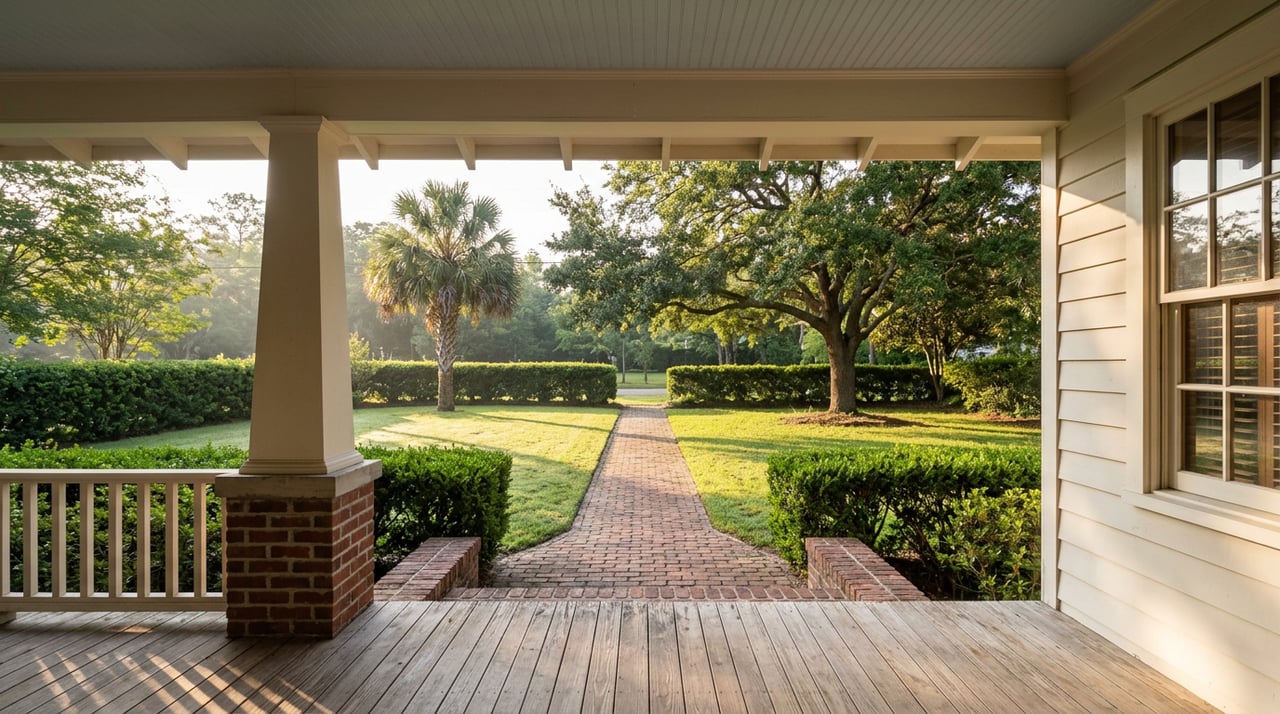
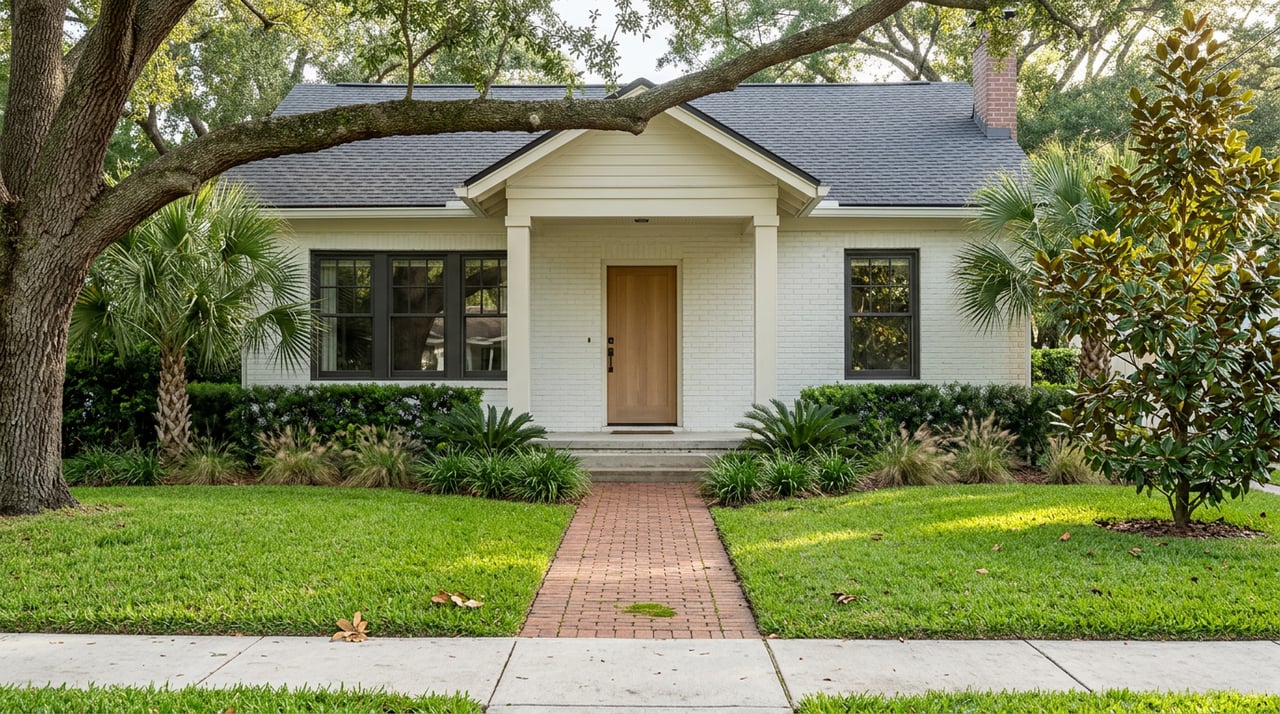
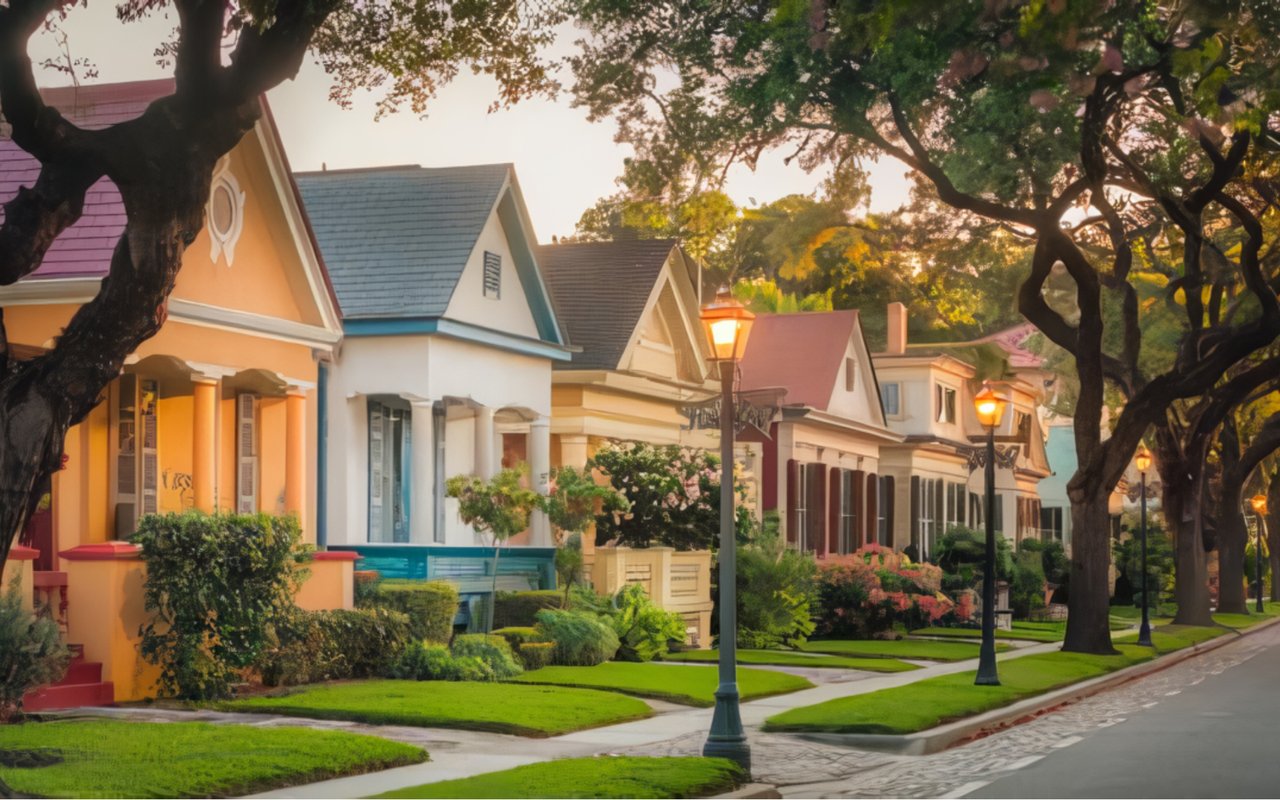
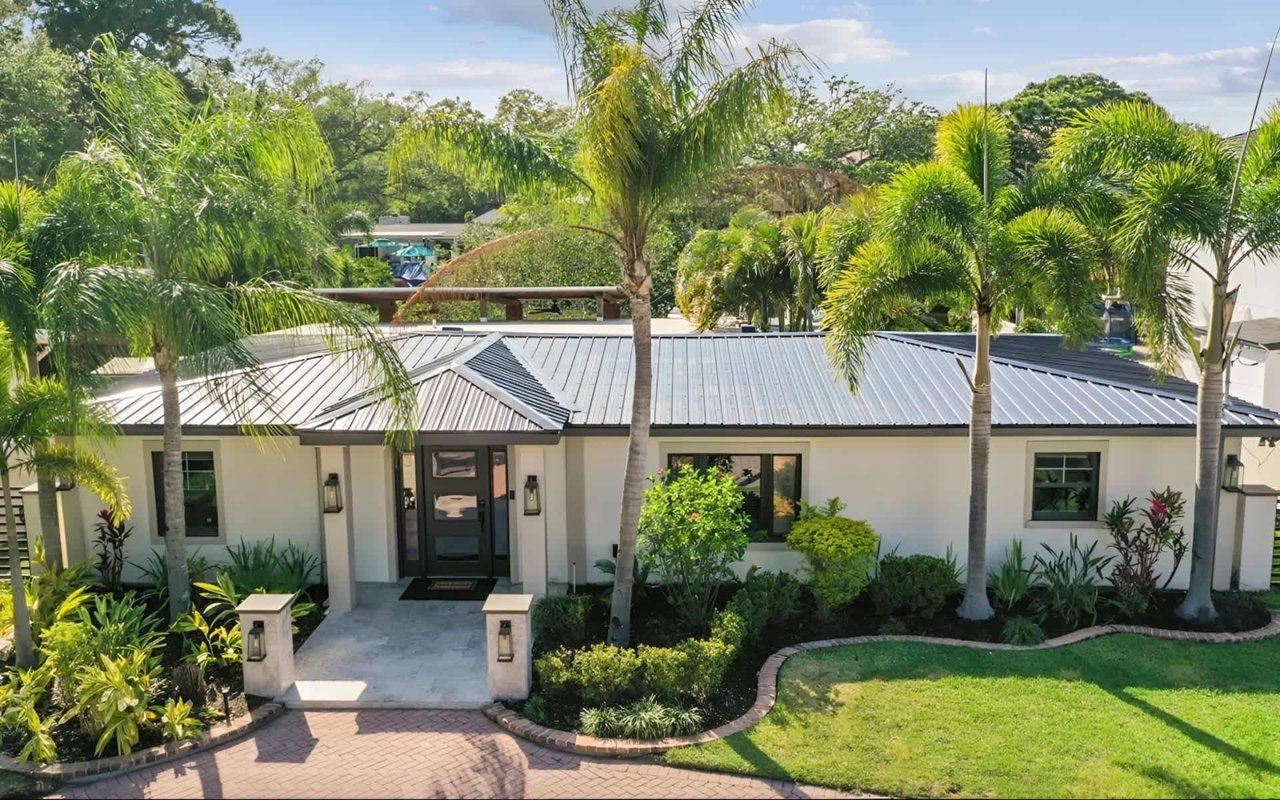
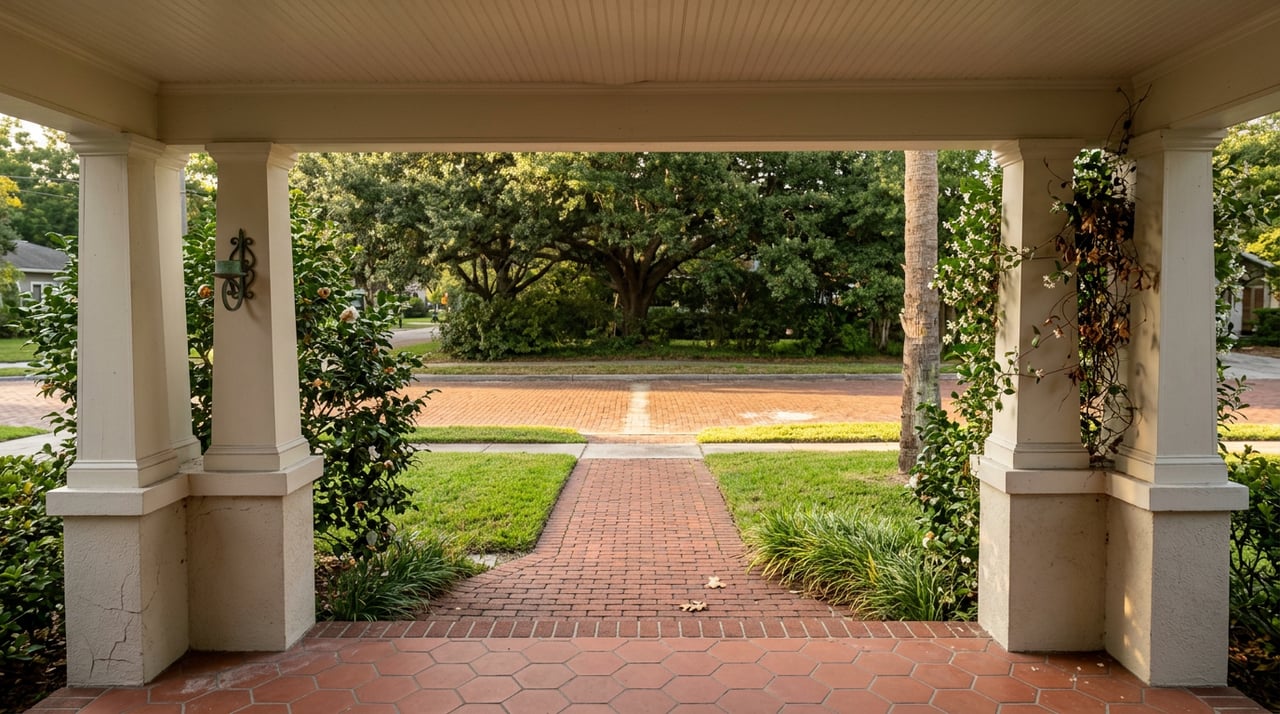
Half a mile is not a lot of ground to cover. It's also, apparently, enough. A feature on Tampa's most walkable pockets put Palma Ceia West's Walk Score at 77 as of April 2026, a number that belongs to neighborhoods built around transit and density, not a subdivision of brick streets and Craftsman bungalows platted before the interstate existed. The commercial core didn't grow to match the residential footprint. The residential footprint just happens to sit close enough to a small, dense strip that the whole thing reads as one continuous block.
The Sculpture Is Younger Than You'd Guess
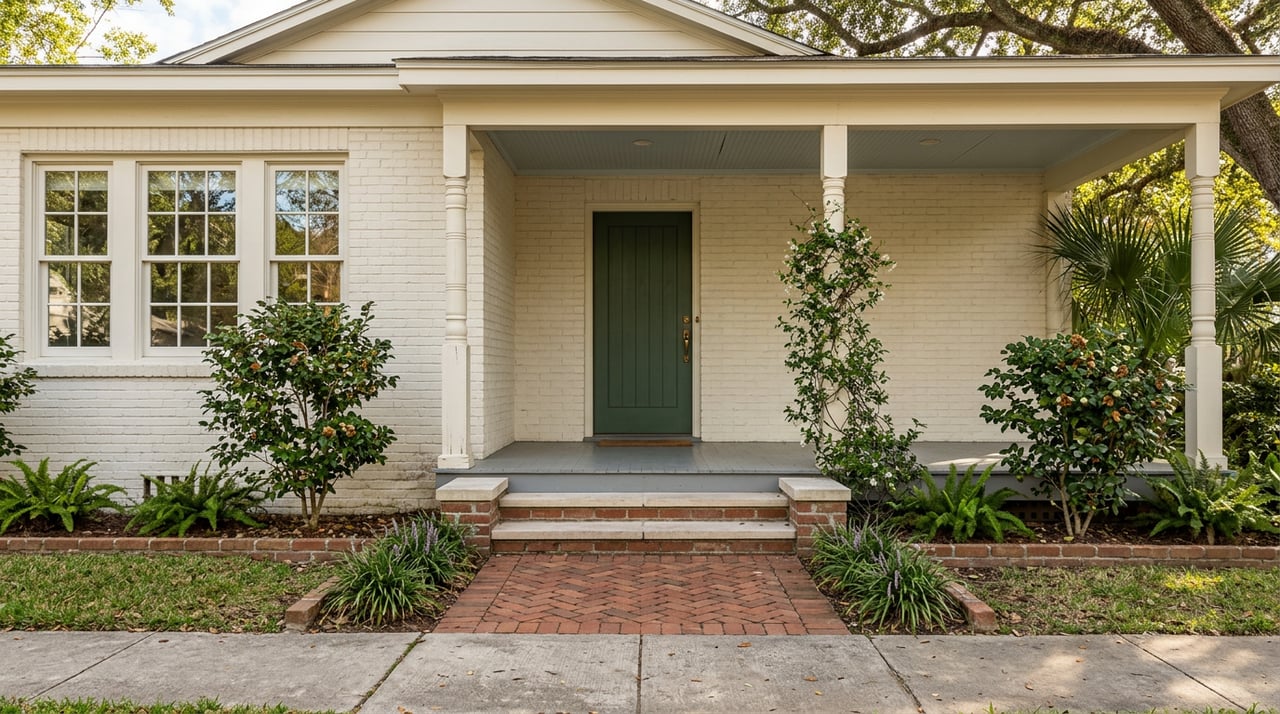
Here's where the timeline gets interesting. Palma Ceia the neighborhood dates to 1903, when developer Thomas Palmer began platting the area under the working name Madrid. The Cuban street names that still confuse first-time visitors trace back to a map Angel Cuesta, president of Cuesta-Rey Cigars, reportedly shared with Palmer while the two discussed how to lay out the streets, which is why so many of them echo old Havana.
The golf club came next. In 1910, developer James Taylor's Tampa Bay Land Company offered 100 acres to a group of businessmen on a lease of one dollar a year, with an option to buy for $150,000 after a decade, provided the club covered the property taxes. That deal produced the Palma Ceia Golf and Country Club, Tampa Bay's first private golf club, decades before anyone thought to put a name on the shopping strip a few blocks away.
The commercial district didn't get its own identity marker until much later, and even the paper trail on exactly when disagrees with itself. The City of Tampa's own neighborhood commercial plan says the sculpture that officially designates the district, a piece by local artist Marc DeWaele installed at the MacDill and Bay to Bay intersection, went up in 2002. Wikipedia's account of the same sculpture puts its ribbon cutting on March 17, 2010. Either way, the marker that tells you you've arrived at "the district" is somewhere between sixteen and twenty-four years old as of 2026, dropped onto streets that were already a hundred years into being a neighborhood.
That gap matters for how the place feels today. The businesses along MacDill aren't operating inside a master-planned town center. They're operating inside the leftover grid of a pre-war subdivision that happened to get formalized as a commercial district well after most of it was already built.
The Water Came First, Then It Left
Before there was a design district, there was a spring. In the early 1900s, Palma Ceia's natural springs drew visitors out by streetcar along Bayshore Drive, and in 1928 the property's owners built a large public pool to handle the crowds who kept showing up to see the water. The springs eventually dried up, but the neighborhood kept the habit of treating this stretch of Bayshore as a gathering point. Fred Ball Park, at 2621 Bayshore Boulevard, still carries a historical marker commemorating that era, and it's the same park where the dog crowd meets on Saturday mornings now.
It's a small detail, but it explains something about why Palma Ceia's public life clusters where it does. The park predates the shops. The golf club predates the park's current use. The design district came last and simply filled in around infrastructure that had already decided where people would gather.
The Buildings Do Double Duty
Because the commercial footprint stayed small while the neighborhood around it grew, a lot of the square footage inside the district works two jobs rather than one. Cru Cellars Palma Ceia is built around exactly that idea, functioning as a wine shop and a sit-down dinner spot in the same space, with diners this year calling out the Blue Jay Burger and the scallops appetizer alongside praise for what one recent guest called "kind and helpful staff." The Palma Ceia Village shopping center on South MacDill Avenue does something similar at the retail level. The Write Stuff, a stationery and gift shop, shares a building with Village Health Market, and Redneck Wine Company operates out of the same small complex.
A few blocks over, the pattern repeats as a sequence instead of a shared address. Locals describe pairing happy hour Rioja and charcuterie at Barcelona Wine Bar with a later stop at Maru Nikkei, a rooftop spot known for caviar, cocktails, and sweeping bay views. Two stops, one short walk, no reason to move the car in between.
The Landmarks Nobody Renamed
Some of the district's anchors haven't changed identity at all, they've just kept doing the same thing long enough to become fixtures. Datz, the flagship location of the craft beer and deli concept that's expanded well beyond South Tampa, still sits at 2616 South MacDill Avenue. Pane Rustica, a few blocks down at 3225 South MacDill, keeps drawing brunch and dinner crowds for its bread program. Byblos, at 2832 South MacDill, has held its ground as the neighborhood's Lebanese option, hookahs and all.
Then there's Bella's Italian Café, which longtime residents describe in terms that sound less like a review and more like a civic fact. One neighbor summed it up simply: "A South Tampa landmark!" That's not the kind of line a restaurant earns from a marketing push. It's the kind of line a place earns by being there long enough that nobody remembers a time it wasn't.
Where the Loop Bends Green
The three anchors that give the loop its shape aren't retail at all. Here's how they sit relative to each other:
| Anchor | Address | What it's for |
|---|---|---|
| Fred Ball Park | 2621 Bayshore Blvd | Dog-friendly waterfront park, historical marker for the neighborhood's spring era |
| Palma Ceia Park | 2200 S Marti St | Playground and basketball courts |
| Palma Ceia Golf & Country Club | 1601 S MacDill Ave | Fitness center, clay tennis courts, Olympic-sized pool, golf course, Tampa Bay's first private club |
None of these three anchors is new, and none of them is inside the retail district itself. They bracket it. The loop that feels like a single unified stretch of neighborhood life is actually three separate, much older pieces of infrastructure with a comparatively young shopping strip stitched into the middle.
That's the part worth sitting with if you already live here and have never thought about why the walk feels the way it does. The half-mile isn't charming by accident, and it isn't charming because someone designed it that way in one pass. It's charming because a golf club from 1910, a park built around a pool that closed nearly a century ago, and a commercial district that only got its name in the 2000s all ended up sharing the same few blocks, with the surviving pieces shaping what remained.
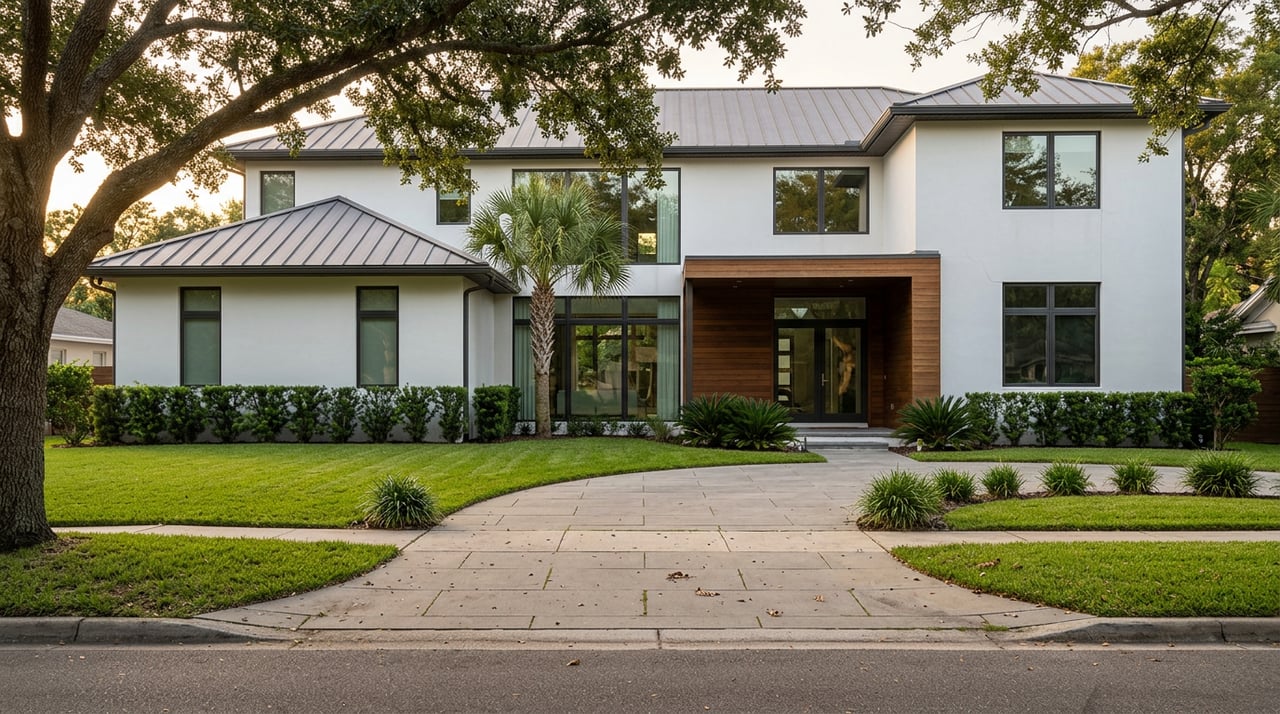
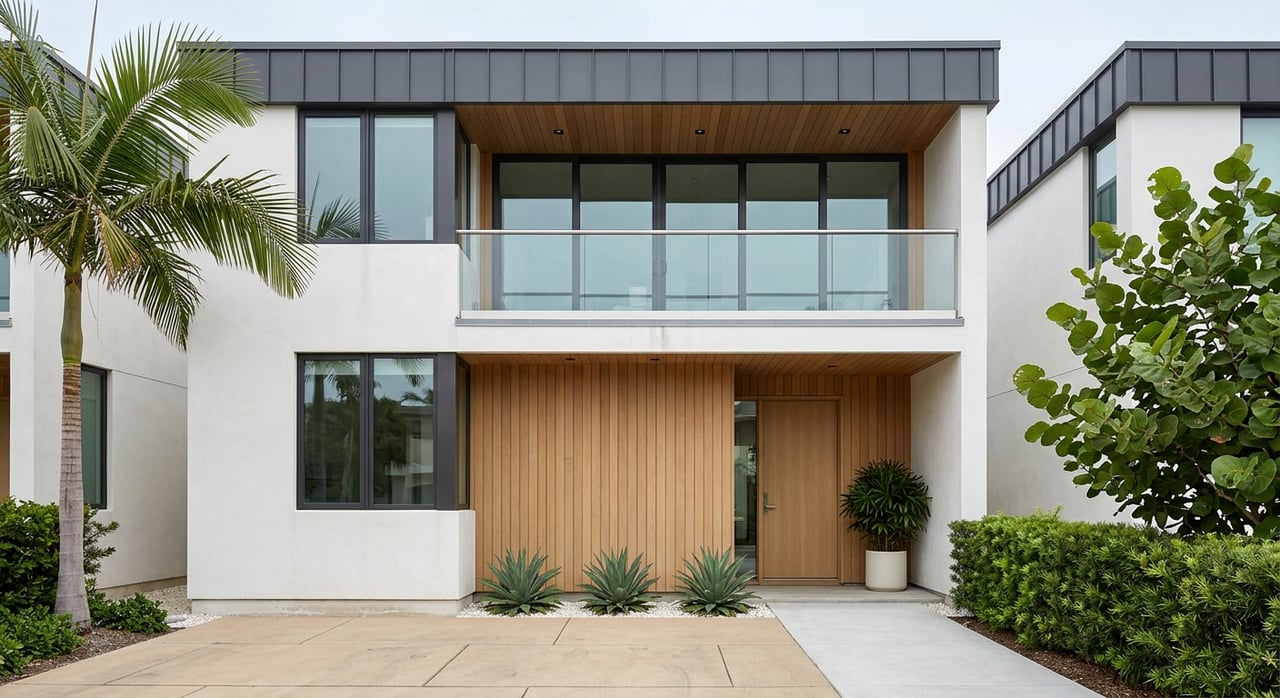
If you're weighing what a home near this stretch is actually worth, or you're trying to figure out how a specific address here fits into the loop described above, 360 Realty knows this half-mile block by block. Contact us when you're ready to talk specifics.