By 360 Realty
The air inside your home has a bigger impact on how you feel day-to-day than most people realize. From the quality of your sleep to how easily you breathe while relaxing on the couch, indoor air quality shapes your comfort in ways that are easy to overlook until something feels off. Dust, pet dander, volatile organic compounds from furniture and paint, excess humidity, and inadequate ventilation are some of the most common culprits behind poor indoor air, and they're more manageable than you might think.
The good news is that you don't have to overhaul your entire home to notice a real improvement in air quality. Many of the most effective strategies are low-cost, low-effort, and easy to maintain. Here's what actually works.
Key Takeaways
- Upgrading your HVAC filter to a higher MERV rating is one of the fastest ways to reduce indoor particulates.
- Proper ventilation, especially in kitchens and bathrooms, prevents moisture buildup that leads to mold and mildew.
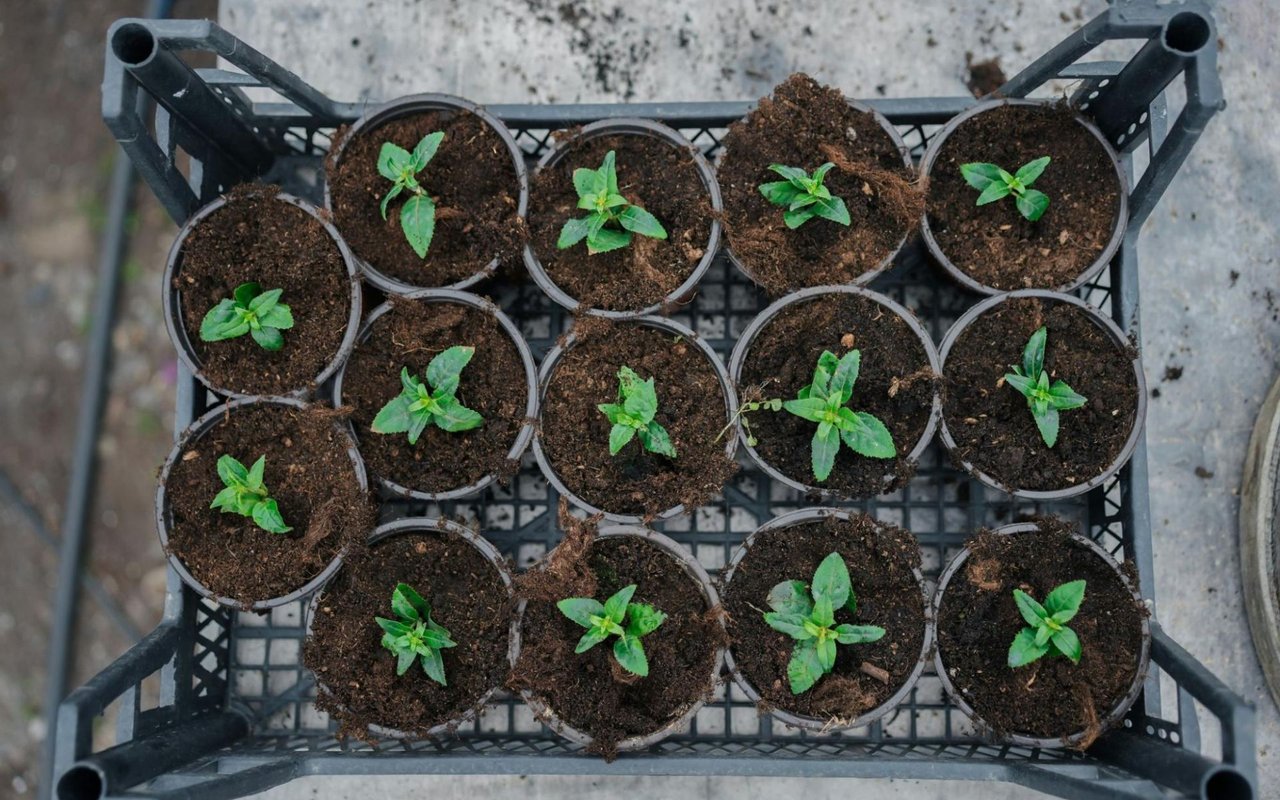
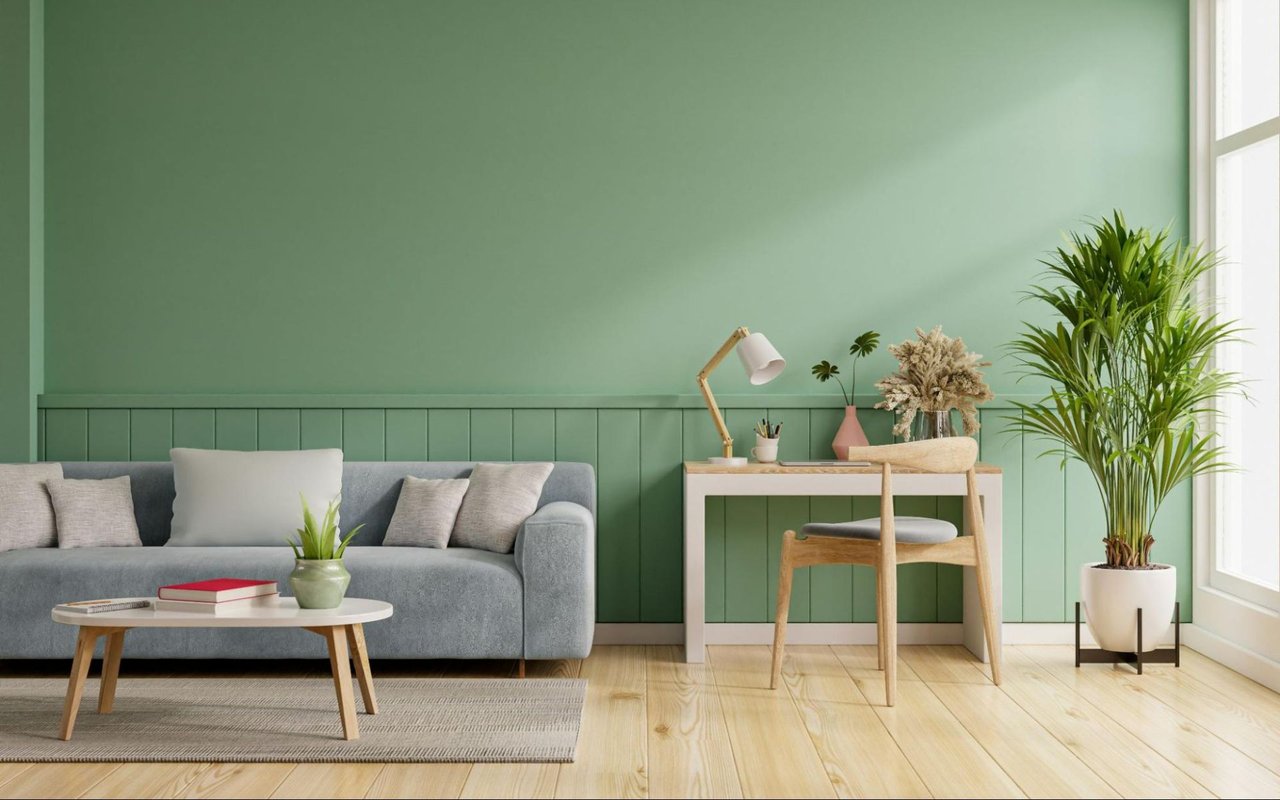
- Indoor plants can complement air quality improvements but work best alongside other active filtration methods.
- VOCs from paint, flooring, and cleaning products are a significant and often overlooked source of indoor air pollution.
- Consistent cleaning habits, particularly around HVAC vents and soft surfaces, reduce allergen accumulation considerably.
Start With Your HVAC System
Your heating and cooling system is the single most influential factor in your home's air quality, because it circulates air throughout every room. If the filter is outdated, clogged, or low-quality, it's not just failing to clean the air; it's actively distributing whatever it can't capture. Upgrading your filter is the highest-leverage change you can make.
Filters are rated on a MERV scale, which stands for Minimum Efficiency Reporting Value. Standard fiberglass filters typically fall in the MERV 1–4 range and capture large particles but miss fine dust, pollen, and pet dander. Filters in the MERV 8–13 range capture much smaller particles without restricting airflow so much that your system strains. For households with pets or allergy sensitivities, a MERV 11 or 13 filter is a meaningful upgrade.
Beyond the filter itself, the ductwork matters. Ducts that haven't been cleaned in years can harbor dust, mold spores, and debris that recirculate every time the system runs. A professional duct cleaning, while not always necessary annually, is worth scheduling if you've recently renovated, noticed visible buildup around vents, or moved into an older home.
HVAC Maintenance Priorities
- Replace your air filter every 60 to 90 days, or every 30 days if you have pets.
- Inspect and clean supply and return vents regularly to prevent dust buildup.
- Schedule annual HVAC maintenance to check for leaks, proper airflow, and system efficiency.
- Consider an in-duct UV air purifier, which neutralizes airborne bacteria and mold spores at the source.
- Keep the area around your indoor air handler clear so air can circulate freely through the unit.
Improve Ventilation Room by Room
Ventilation is the process of moving stale, pollutant-laden air out and bringing fresh air in. Without it, even a clean home will gradually accumulate elevated levels of carbon dioxide, VOCs, and humidity. South Tampa's warm climate means that windows are often open, but during the months when air conditioning runs constantly, natural ventilation decreases significantly.
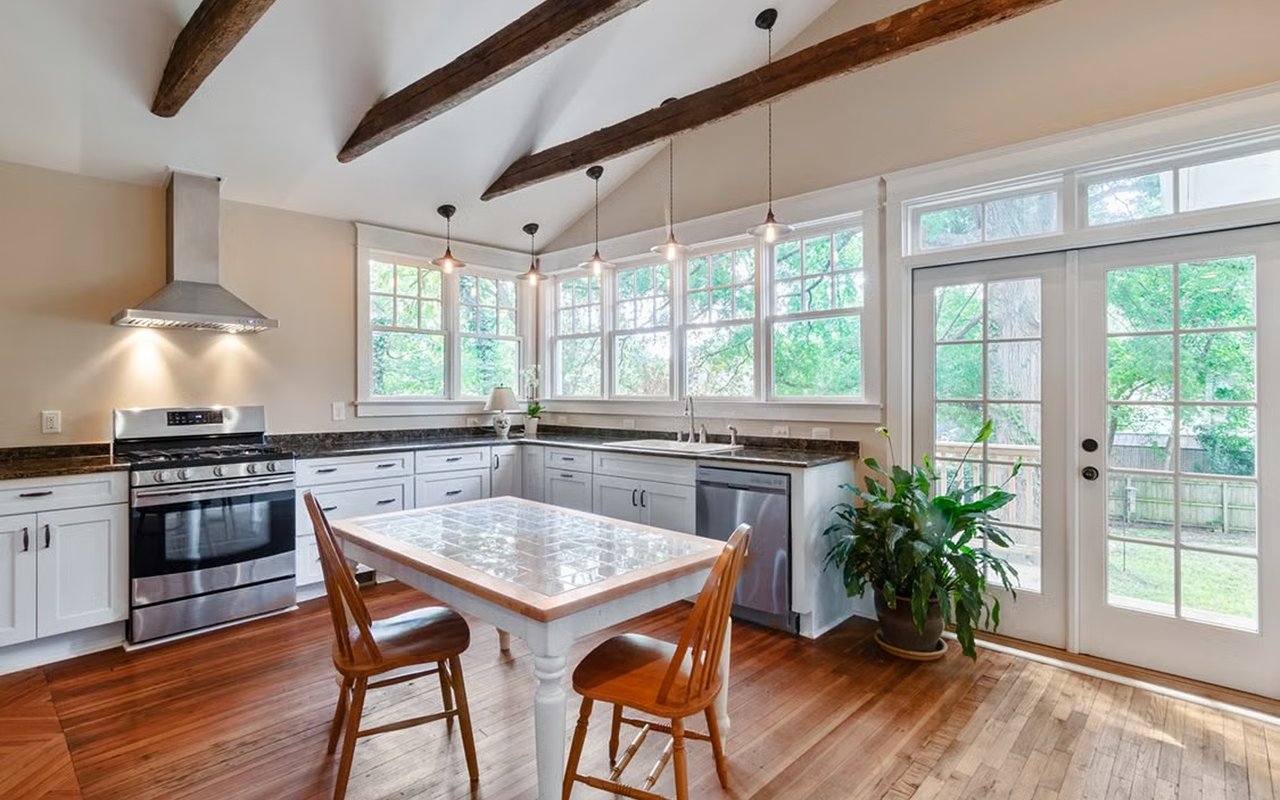
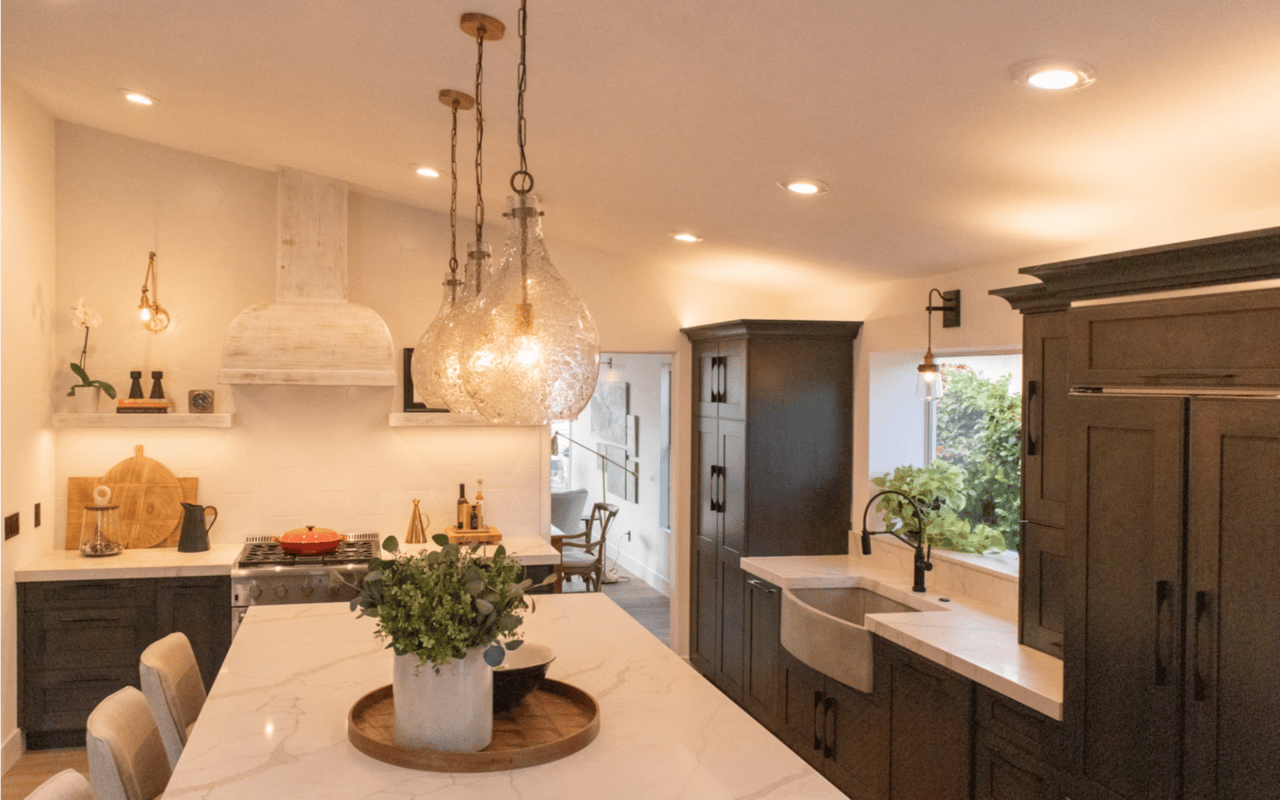
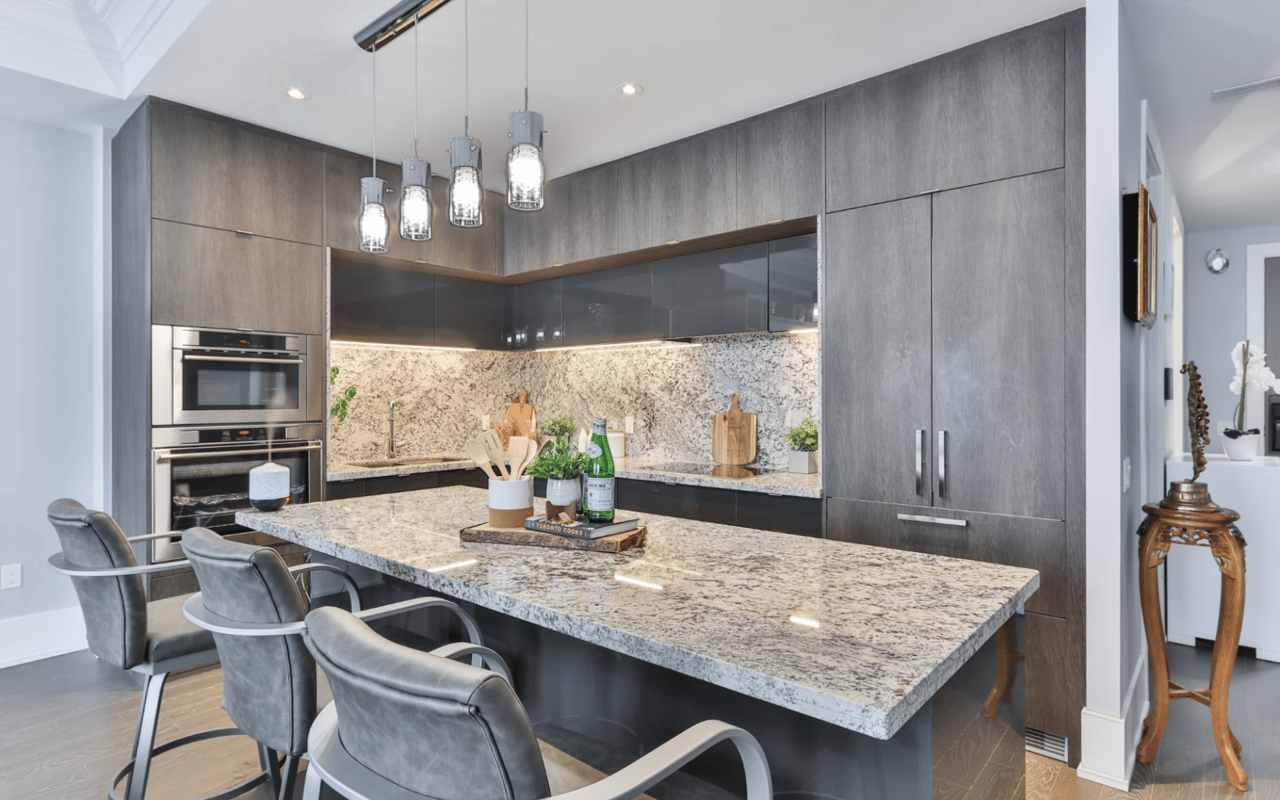
Kitchens are one of the highest-priority areas for ventilation improvement. Cooking releases grease particles, carbon monoxide from gas ranges, and moisture into the air. A range hood that vents outside (rather than recirculating), used consistently while cooking, captures a substantial portion of those byproducts before they spread through the house.
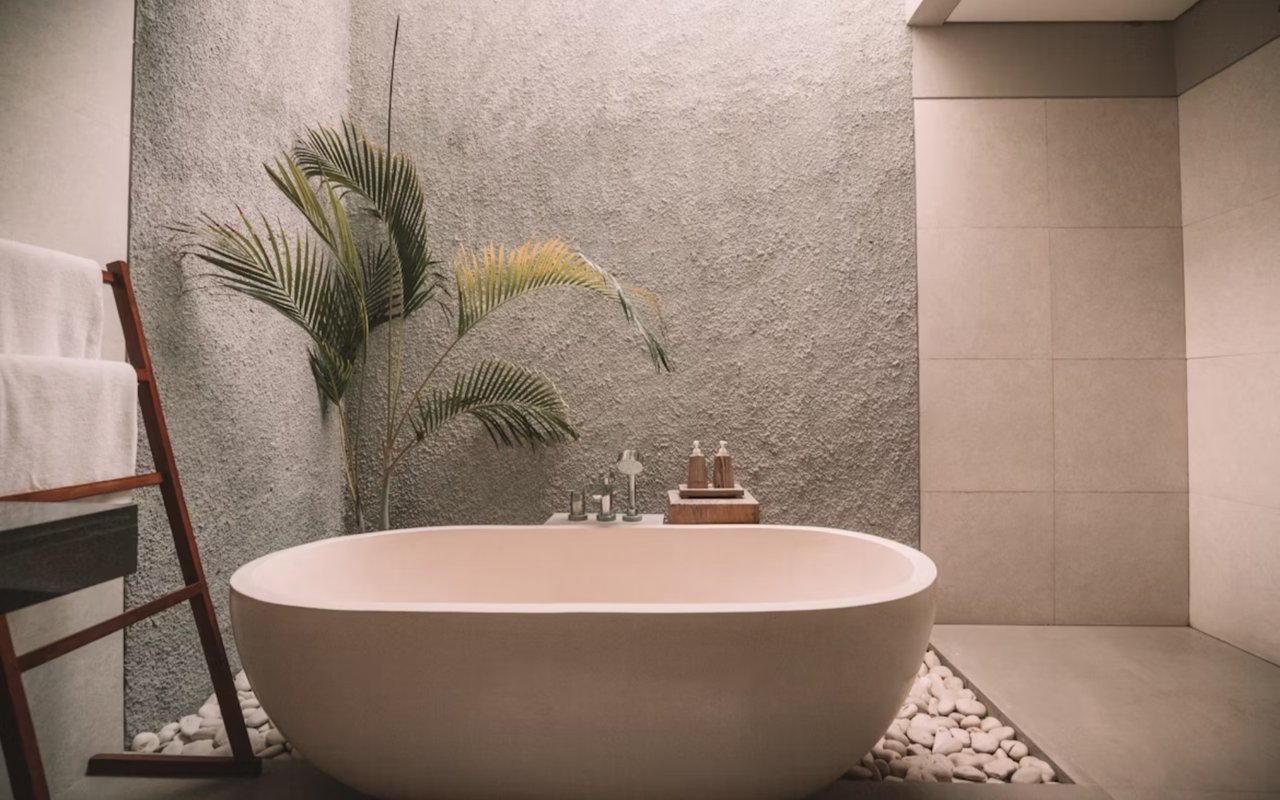
Bathrooms are the other major source of indoor moisture. Running the exhaust fan during and for at least 20 minutes after every shower prevents that moisture from settling into walls, ceilings, and grout where mold can develop. If your bathroom fan is old or weak, replacing it with a higher-CFM model is a small investment with a noticeable impact.
Ventilation Improvements by Room
- Install or upgrade a vented range hood in the kitchen to remove cooking byproducts at the source.
- Use bathroom exhaust fans consistently and upgrade to a higher-capacity model if needed.
- Open windows on opposite sides of the home to create cross-ventilation.
- Consider an energy recovery ventilator (ERV) if your home is tightly sealed, which exchanges stale indoor air for fresh outdoor air without losing conditioned temperature.
- Keep interior doors open when possible to allow air circulation throughout the home rather than trapping it in individual rooms.
Address VOCs and Chemical Pollutants
Volatile organic compounds, or VOCs, are gases emitted by a wide range of everyday household products, including paint, adhesives, cleaning supplies, new furniture, and certain types of flooring. While many VOCs dissipate over time, in a sealed or poorly ventilated space, they can accumulate to levels that cause headaches, irritation, and long-term health concerns.
Choosing low-VOC or zero-VOC paints when refreshing walls is one of the easiest preventative steps. Most major paint brands now offer these formulations, and they perform just as well as conventional options. When purchasing new furniture or installing new flooring, look for products certified to low-emission standards.
Your cleaning products are another area worth reviewing. Many conventional sprays, bleach-based cleaners, and air fresheners release VOCs and synthetic compounds. Switching to fragrance-free, plant-based cleaners reduces the chemical load in your air, particularly in enclosed spaces like bathrooms and under-sink cabinets.
Low-VOC Product Swaps to Consider
- Choose low-VOC or zero-VOC interior paint for any repainting projects.
- Look for GREENGUARD or CARB-certified flooring and furniture when making new purchases.
- Replace synthetic air fresheners with ventilation and occasionally an essential oil diffuser if preferred.
- Store harsh chemicals and solvents in sealed containers in a ventilated garage rather than inside living areas.
- Opt for fragrance-free laundry detergents and dryer sheets, which reduce airborne chemical residue throughout the home.
Use Air Purifiers Strategically
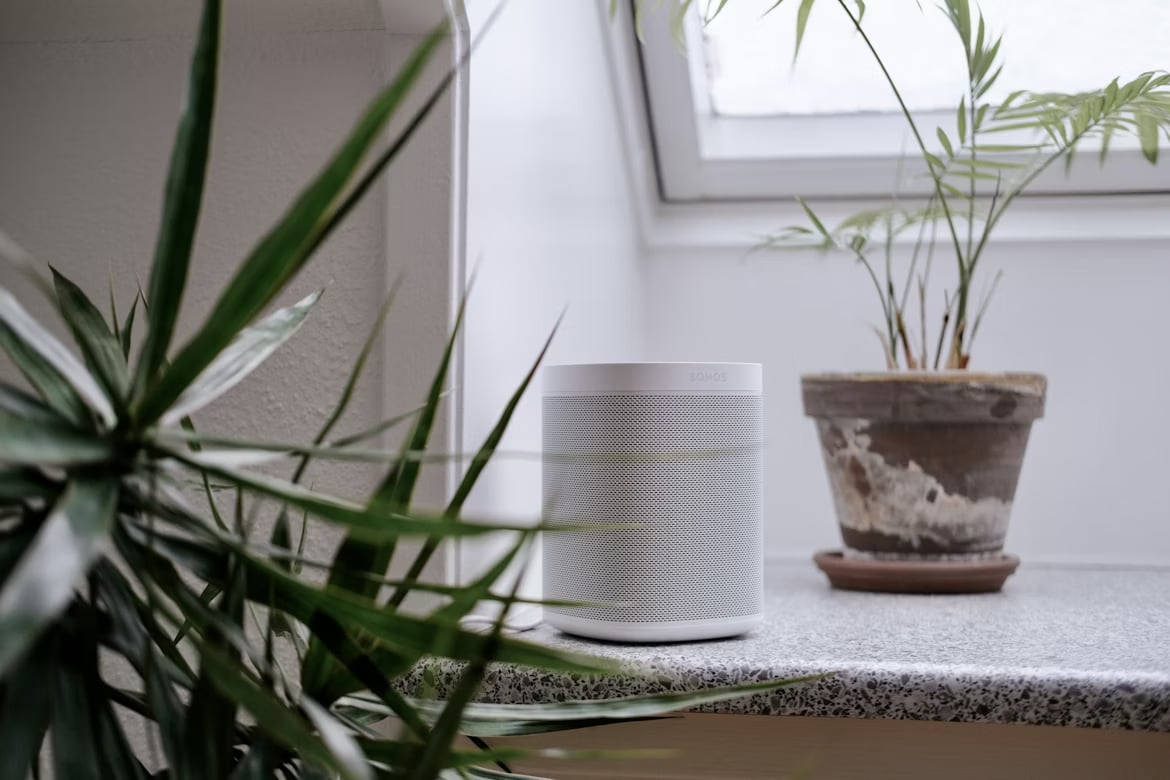
Portable air purifiers with HEPA filters are a practical complement to your HVAC system, particularly in bedrooms, living areas, or any room where you or your household members spend significant time. A true HEPA filter captures 99.97% of particles as small as 0.3 microns, including dust mites, pollen, and pet dander.
Placement matters. A purifier tucked in a corner with limited airflow won't perform as well as one positioned where air circulates naturally through the room. For most living areas, placing the unit a few feet from the wall in a central location and sizing it appropriately for the square footage of the room will give you the best results.
Some purifiers also include activated carbon filters, which are effective at capturing VOCs and other gaseous pollutants that HEPA filters alone won't address. If reducing chemical compounds in the air is a priority, look for a unit that combines both technologies.
What To Look For in an Air Purifier
- Choose a unit with a true HEPA filter, not a "HEPA-type" or "HEPA-like" filter, which performs to a lower standard.
- Match the purifier's CADR rating (Clean Air Delivery Rate) to the room size for effective filtration.
- Consider a model with an activated carbon layer if VOC reduction is a priority.
- Run the purifier continuously on a lower setting rather than intermittently at high speed for consistent results.
- Replace the filters on the manufacturer's recommended schedule to maintain performance.
FAQs
Do Houseplants Actually Improve Indoor Air Quality?
Plants can absorb small amounts of airborne toxins, but research suggests that the scale of improvement in a typical home is modest compared to active filtration. They're a worthwhile addition, and certain varieties, such as peace lilies, snake plants, and spider plants, are more effective than others. Think of them as a supplement to proper ventilation and filtration rather than a standalone solution.
Is It Worth Getting a Professional Air Quality Test?
Professional testing is a worthwhile investment if you're dealing with persistent issues that basic upgrades haven't resolved, if you've recently renovated with materials that may off-gas VOCs, or if you suspect mold growth. Many HVAC companies and environmental testing services offer residential air quality assessments that identify specific pollutants and their concentrations.
How Does Humidity Affect Indoor Air Quality?
High indoor humidity creates conditions where mold, mildew, and dust mites thrive. In South Tampa, keeping indoor humidity between 45% and 55% is a practical target. A whole-home dehumidifier integrated with your HVAC system, or portable dehumidifiers in high-moisture rooms, helps maintain that range and supports air quality alongside filtration.
Breathe Better in the Home You Love
Creating better indoor air quality is less about dramatic renovations and more about consistent, intentional choices: the right filter, adequate ventilation in the rooms that need it most, products that don't add to your chemical load, and air purifiers positioned strategically. Small changes, when layered together, produce a meaningfully more comfortable living environment.
If you're searching for a South Tampa home where the bones are right for these kinds of upgrades, or if you're a current homeowner considering whether your space is ready to sell, our team at 360 Realty would love to help.