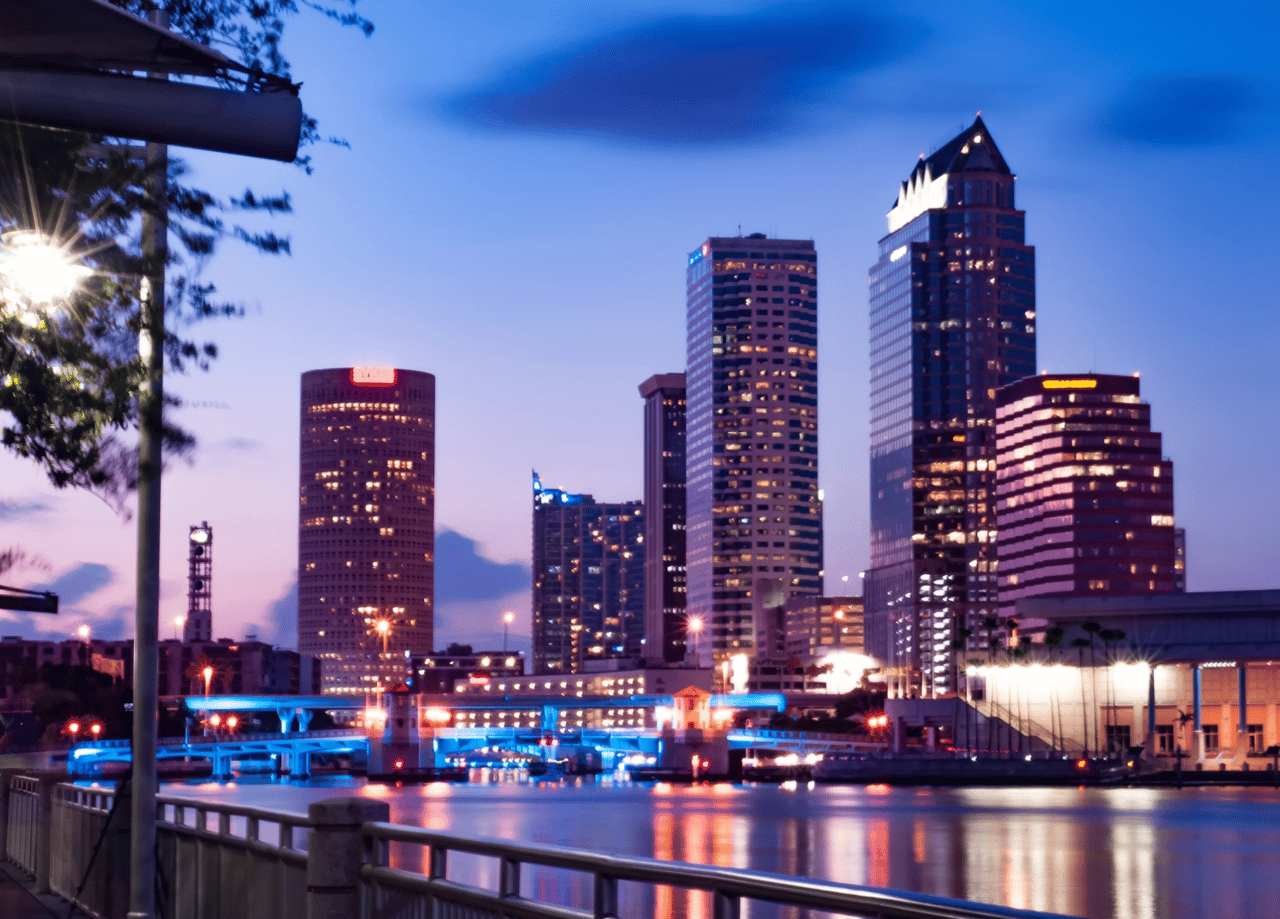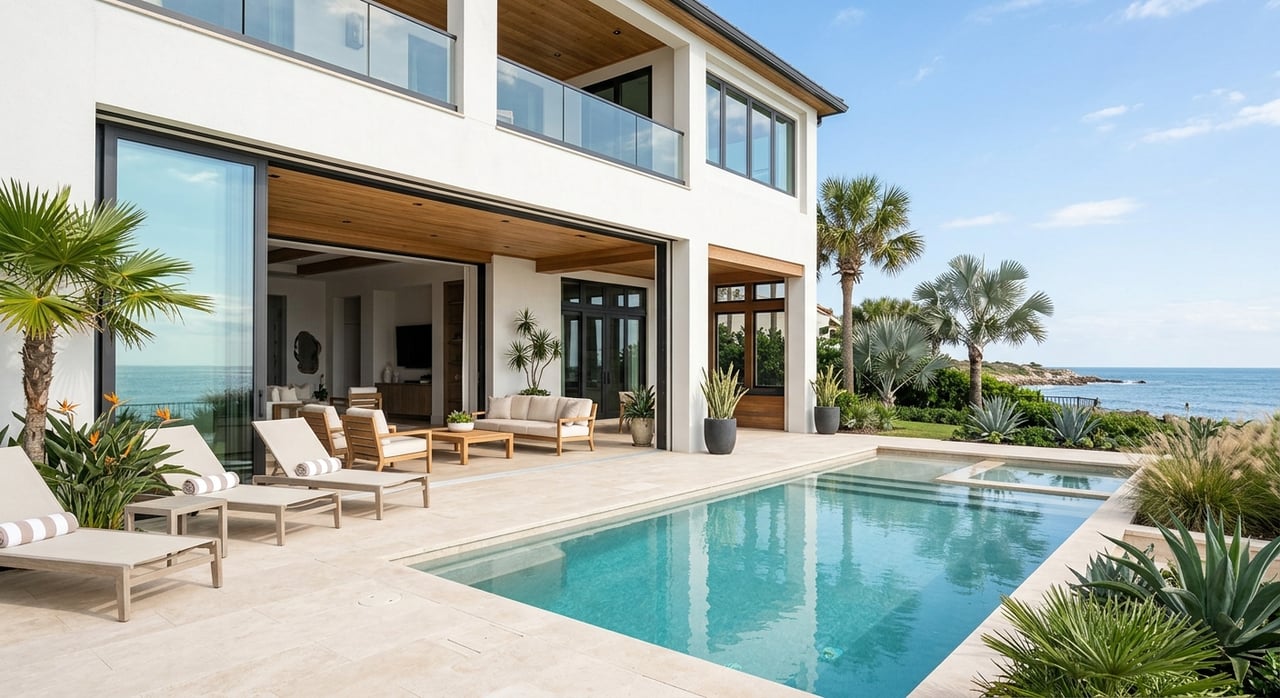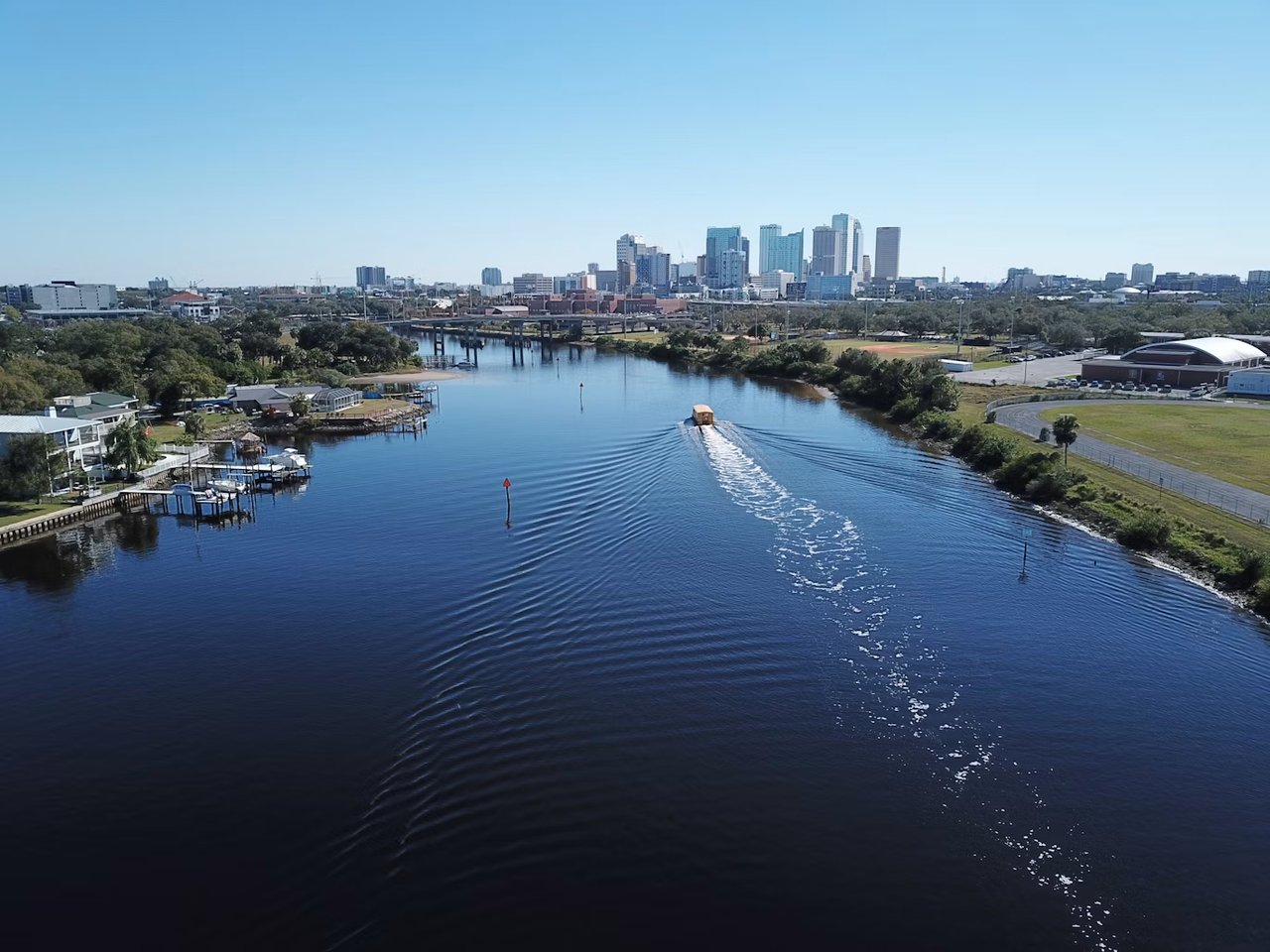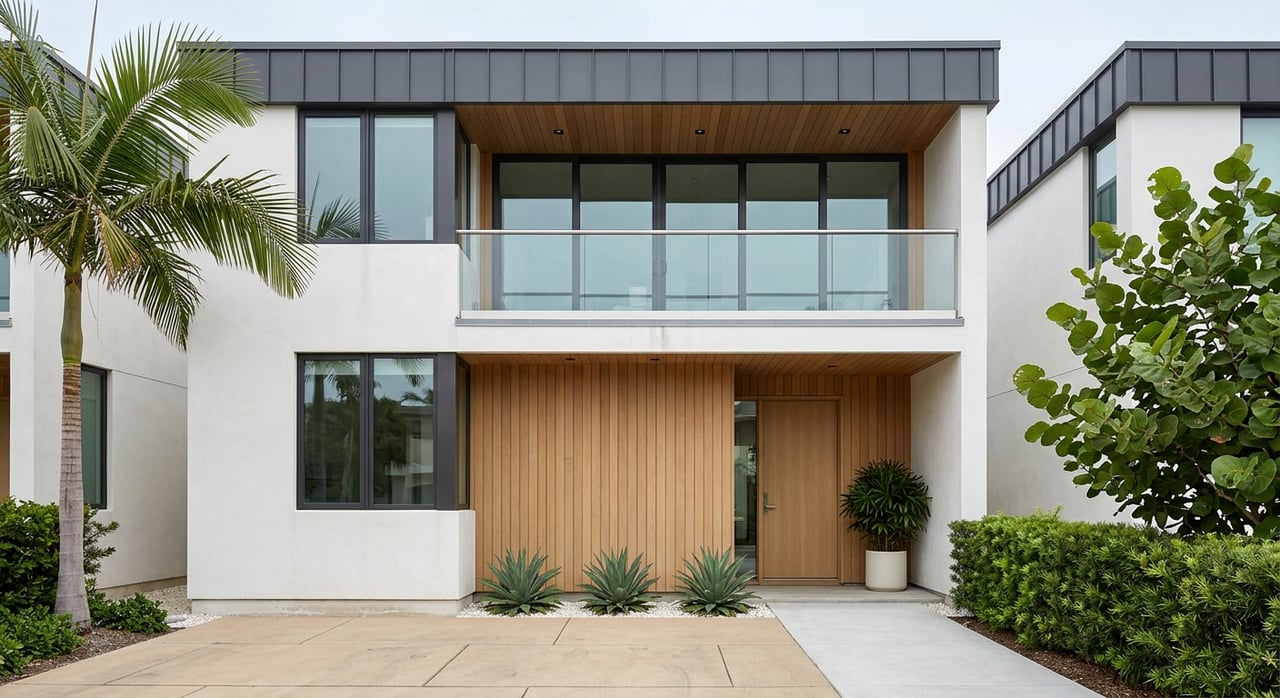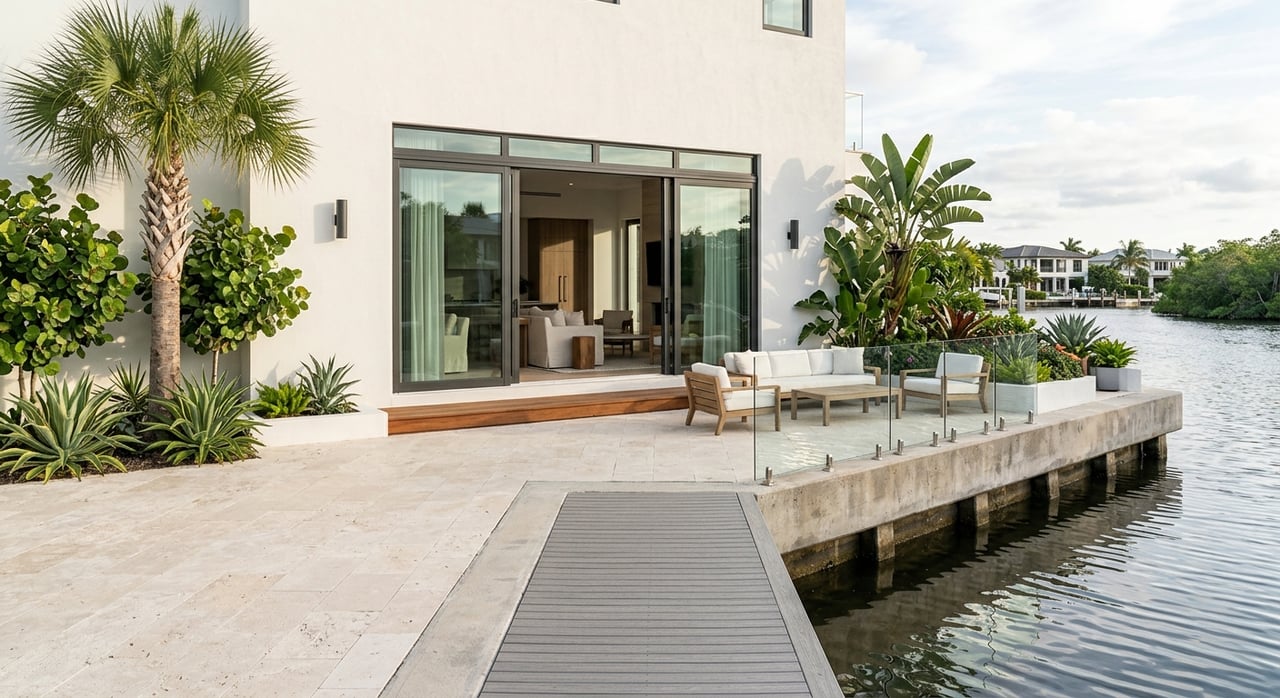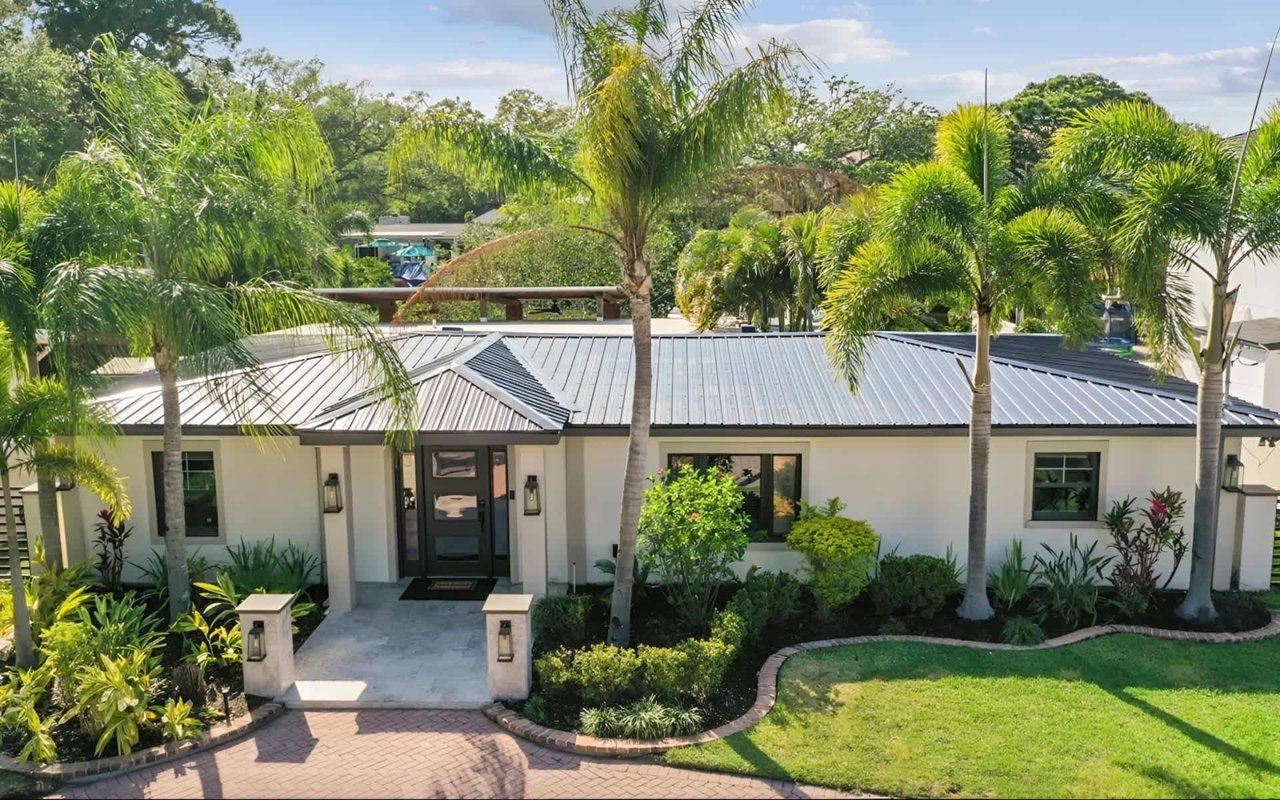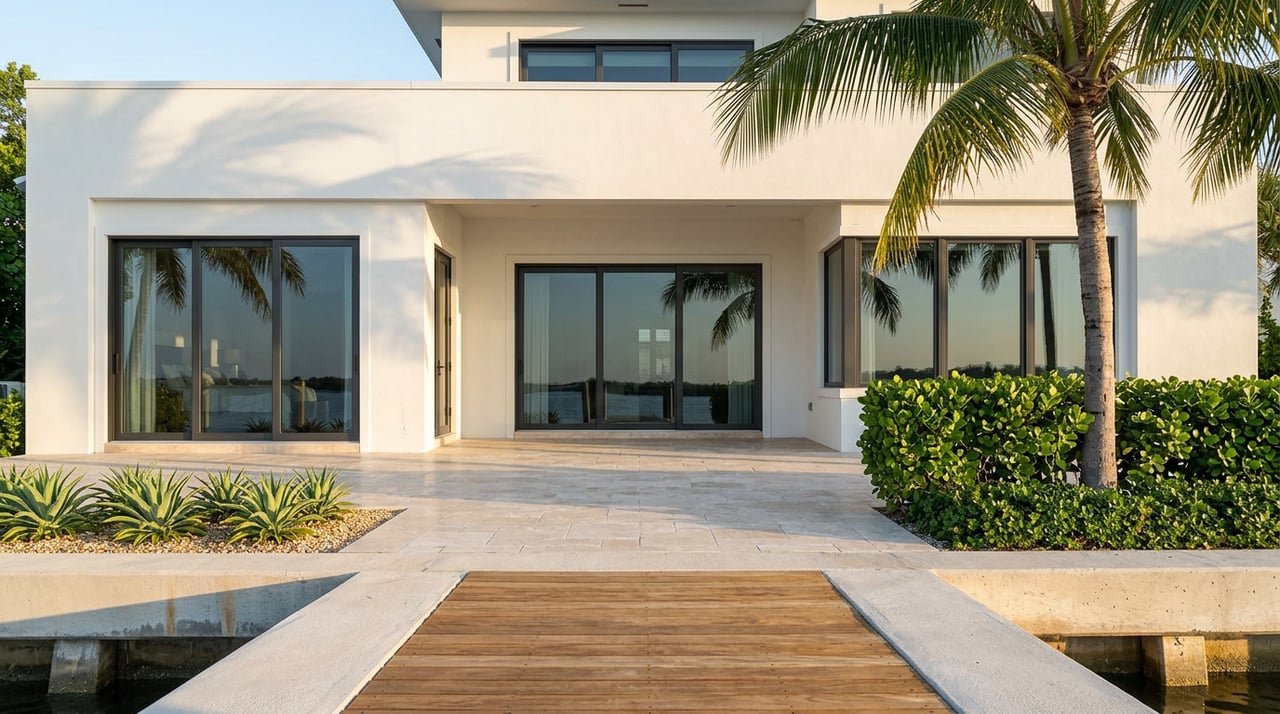
Walk through a listing on Davis Islands and the photos do the selling: a dock stretching out over calm water, a lift cradling a center console, a seawall holding a clean line between yard and bay. It reads like one asset. A buyer sees the price, sees the water, and assumes the dock comes with it the same way the kitchen does.
It doesn't. Not legally, and increasingly not financially either. The land under your feet and the water rights that come with it are one thing. The physical structure sitting in the water, the wall holding your yard in place, and the piece of paper saying you're allowed to have either one there at all are a separate question, and in 2026 that question costs more and takes longer to answer than it used to.
Two different things are transferring at your closing
Florida Statutes section 253.141 says riparian rights, the right to access and use the water fronting your property, pass with the deed. If you buy the house, you get the water rights that go with it.
The dock itself is a different matter. So is the seawall. So is whether the boat lift bolted to it is actually yours to keep. Whether any of those structures are legally allowed to exist depends on permitting status, the survey, and whether a slip is deeded, assigned, or simply licensed to whoever happens to own the house. None of that is guaranteed just because a for-sale sign is in the yard.
That distinction matters more on Davis Islands than almost anywhere else in Tampa. The islands are wrapped almost entirely in seawall, and boating culture runs through daily life here, from the Marjorie Park Yacht Basin near the village center to the public boat ramp at 846 Severn Ave. Most waterfront homes carry a private dock and lift as a given. What's not a given is whether the structure attached to any specific listing was ever properly permitted in the first place.
Check the permit history for an old dock
Here's the part that catches buyers off guard during inspection. If a dock or seawall was built without the correct permits decades ago, verify the permit history during due diligence.
Getting a structure legal typically means clearing three separate layers of oversight: the City of Tampa, Hillsborough County's Environmental Protection Commission, and, for anything touching sovereign submerged land or built below the mean high water line, state authorization through the Florida Department of Environmental Protection. Projects that cross into federal waterway jurisdiction may also need a sign-off from the Army Corps of Engineers. The 2026 Florida Statutes say a dock-permit exemption does not remove applicable county and municipal requirements or any requirement to obtain permission to use state-owned lands.
Request the permits, the as-built drawings, and the maintenance history for the dock and seawall before your inspection period closes. If the seller can't produce them, that's not a paperwork inconvenience. It's a cost you're about to inherit.
What that cost actually looks like right now
Seawall and dock repair on Davis Islands isn't priced the way it was three or four years ago. Hurricane Helene's storm surge in late 2024, followed by Hurricane Milton's wind damage shortly after, left the Tampa Bay marine construction market backlogged, and pricing has stayed on the higher end of the range as materials costs and contractor demand both climbed.
Here's roughly what that means in dollars for a typical Davis Islands lot:
| Project | Typical cost | Notes |
|---|---|---|
| Seawall repair | $300 to $900 per linear foot | Cap repair alone is cheaper but rarely the right fix if tiebacks or panels are already compromised |
| Full seawall replacement | $350 to $1,200 per linear foot | On a 100-foot lot, that's $35,000 to $120,000 |
| New dock construction | $400 to $700 per linear foot | Figure typically includes FDEP permitting |
| Boat lift, installed | $8,000 to $25,000 | Depends on capacity and hull type |
Floating dock decking generally needs attention somewhere between 5 and 15 years depending on exposure, while piling systems, especially concrete or protected metal, can last decades if properly maintained. Lift motors and cables need annual or biennial servicing and major-part replacement within 10 to 20 years. None of that is unusual for waterfront ownership anywhere in Florida. What's unusual right now is how long the repair queue has gotten and how much less room there is to negotiate on price while that backlog clears.
The city's own project is the same system, playing out in public
A City of Tampa project a few blocks from most of the neighborhood's waterfront listings offers a public example of the permitting process. The project, tracked on the city's own project page, is in design to replace the failing docks in the Davis Islands Seaplane Basin and add a mooring field and navigation aids, with construction currently targeted for 2027 to 2028.
Marjorie Park Yacht Basin, the neighborhood's other central boating facility, tells a similar story. Under normal conditions it offers fuel, pump-out service, and a mix of 32 monthly slips and transient slips just a block from the business district. As of the city's most recent advisory, the marina remains out of service after hurricane damage. That status is a reminder to verify repair and permitting timelines for any waterfront project.
What to verify before you drop your contingency
For a waterfront purchase on Davis Islands, use the inspection period for exactly this kind of due diligence. Use it to confirm:
- Permits, as-built drawings, and maintenance records for both the dock and the seawall
- A licensed marine surveyor's assessment of the dock, lift, and approach channel, not just a general home inspector's walk-through
- Ownership and rights, including easements, HOA rules, or a submerged lands lease tied to the property
- Insurance availability and cost for the dock structure separate from the home policy
- Depth at mean low tide, bridge clearance, and turning room for the boat you actually plan to keep there
- Whether any dredging, seawall repair, or municipal channel project is already planned or assessed against the property
None of this should scare a buyer off the water. It should change what gets negotiated. A seawall with documented recent repair work, or a dock built with permits already in hand, is worth paying for. One without that paperwork calls for further due diligence, and on today's contractor timelines, any needed work could take a while to reach the front of the line.
FAQ
Does buying a waterfront home on Davis Islands automatically include the dock? Florida Statutes section 253.141 says riparian rights generally pass with the deed. The physical dock, seawall, and any boat lift are separate structures whose ownership and legal status depend on permitting records and the survey, not just who's selling the house.
Why is seawall and dock work taking longer right now? Hurricanes Helene and Milton left a backlog in the Tampa Bay marine construction market that's still working through 2026, which has kept both pricing and project timelines on the higher end.
Waterfront due diligence on Davis Islands sits right at the intersection of real estate, permitting, and title work, which is exactly why 360 Realty built its brokerage around in-house legal and title support rather than treating those as someone else's problem to sort out after closing. If you're weighing a dock, a seawall, or a slip on Davis Islands, Contact Us before you write the offer, not after the inspection clock starts.
This article is general information, not legal, tax or financial advice. Consult a qualified professional about your situation.