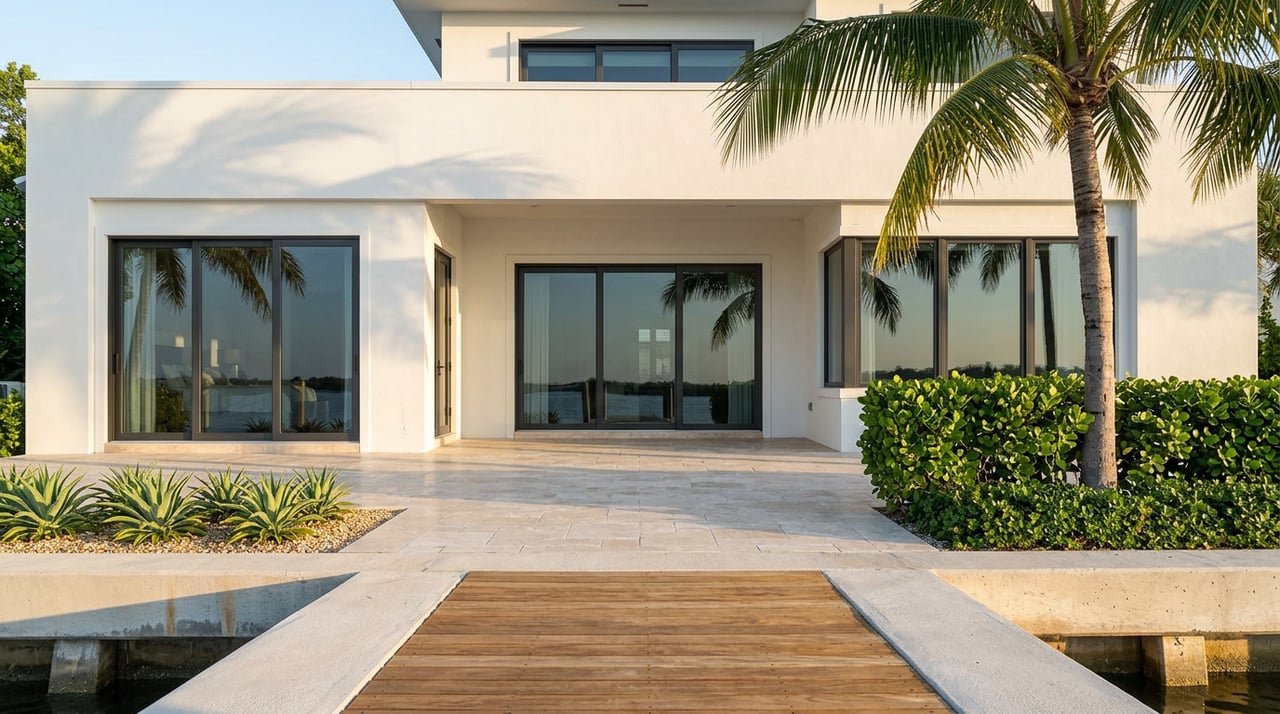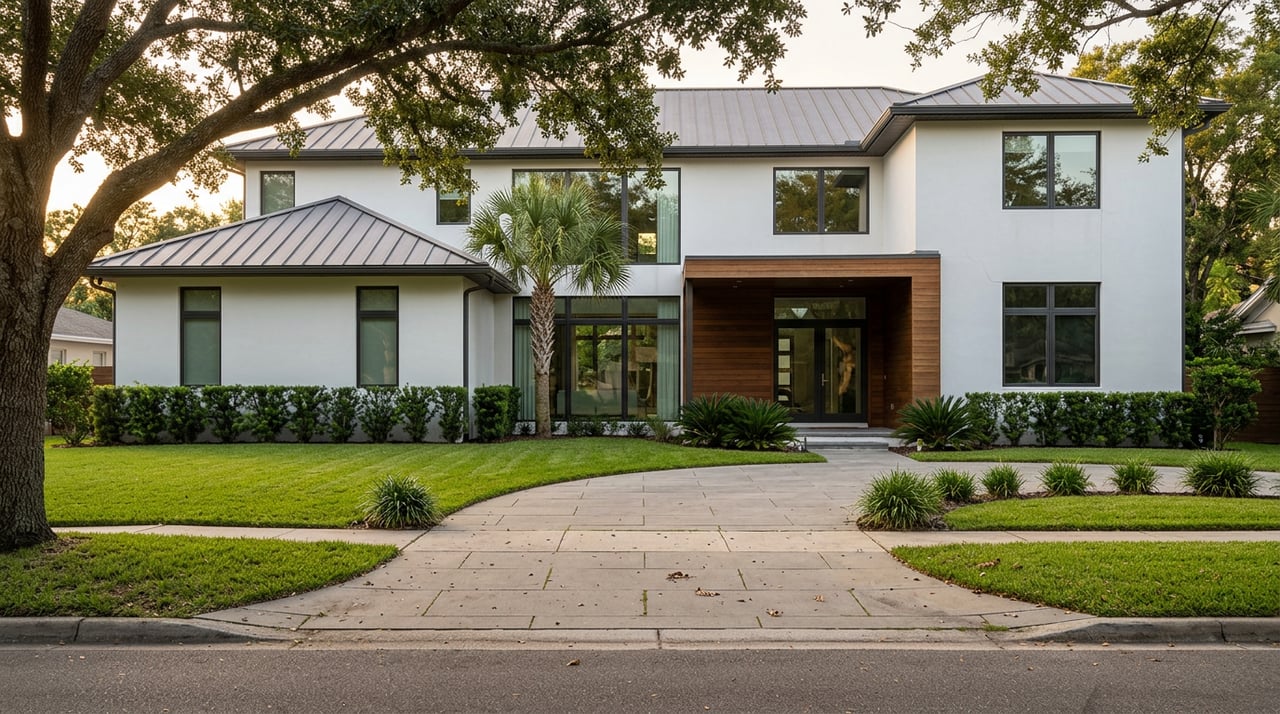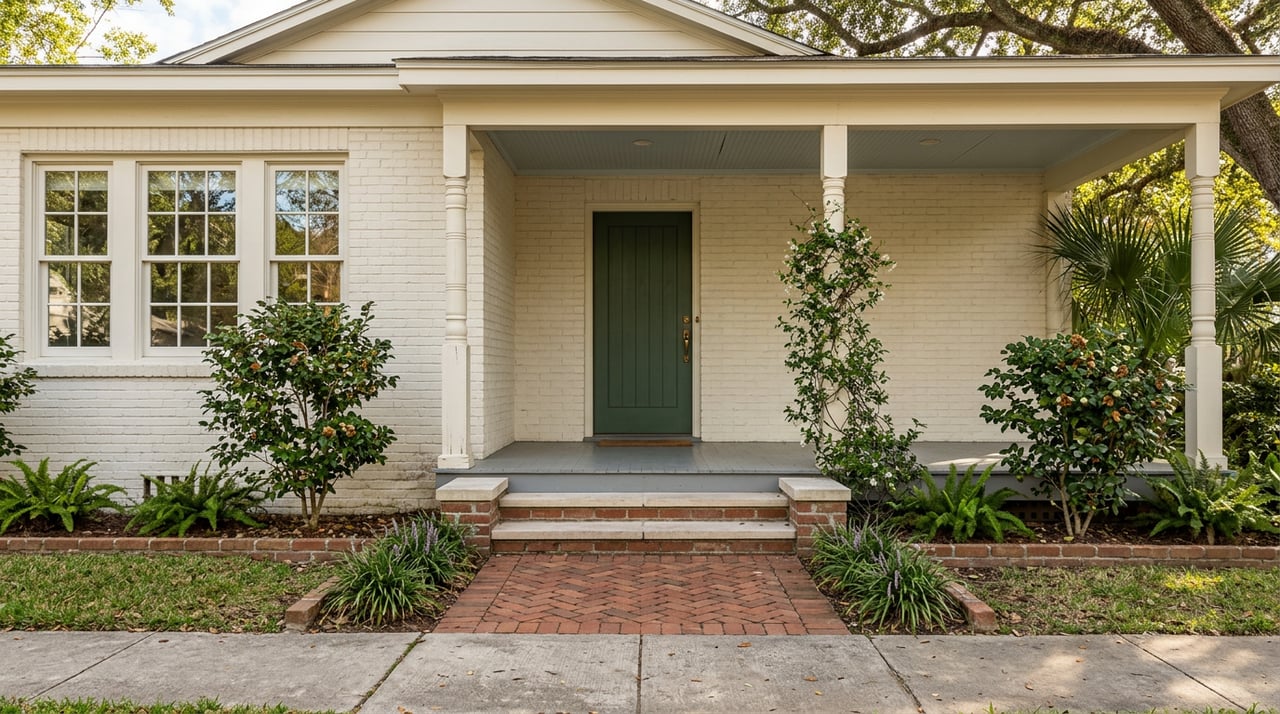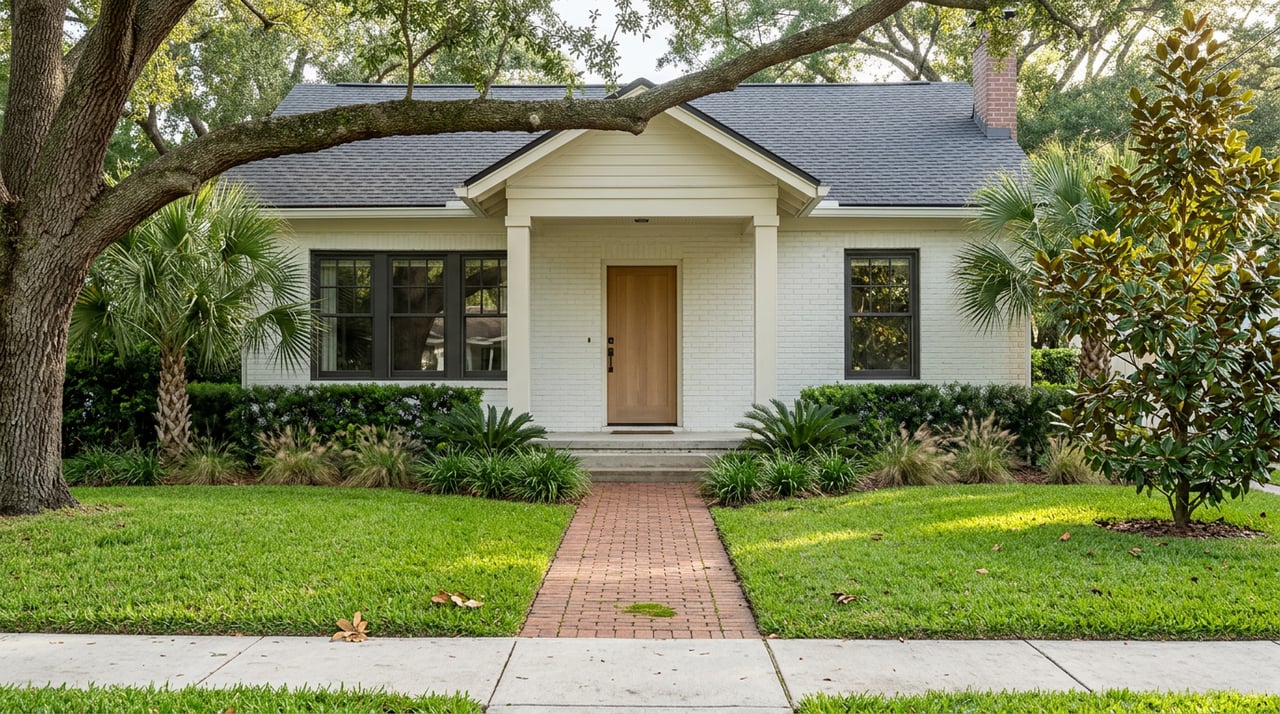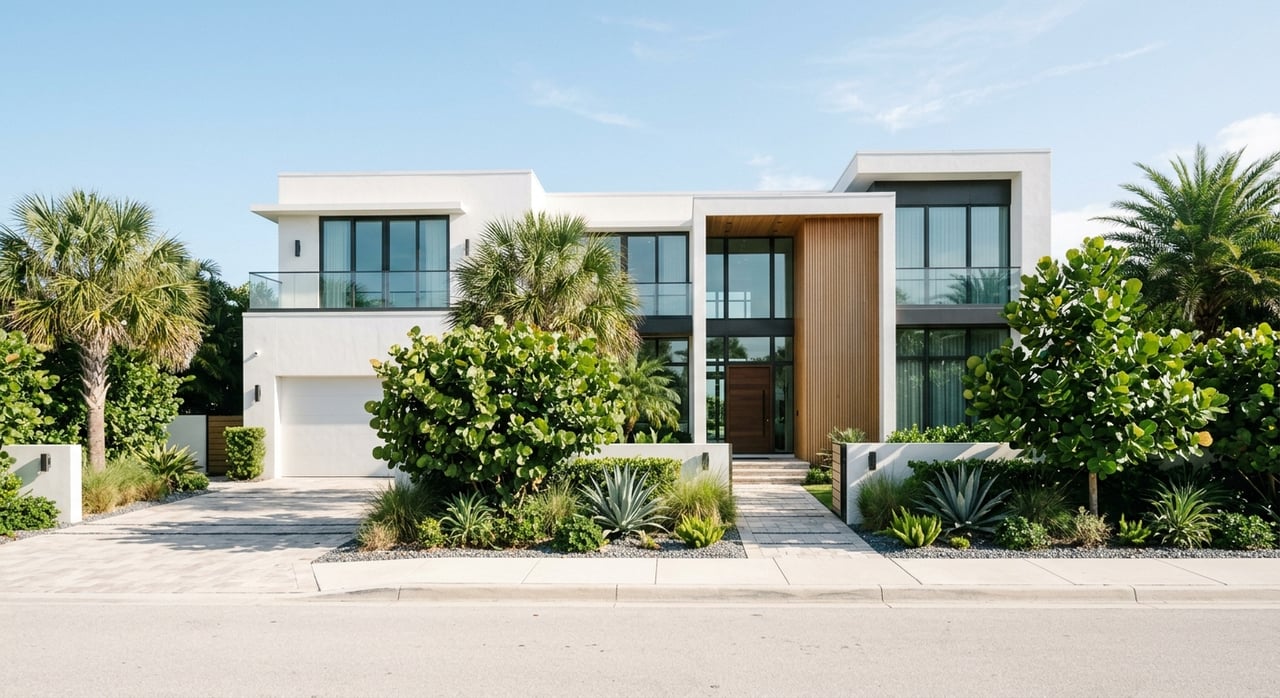
On November 6, 2025, a family that had already closed on their 1922 American Foursquare at 825 Bayshore Boulevard stood in front of the Tampa Historic Preservation and Architectural Review Commission asking for permission to do what most buyers assume they can do the moment they own a house: change it. Their agent, Alex Engleman, described the goal simply as wanting "to preserve our home, protect it from flood waters and create a safe space for our family." The commission agreed, unanimously, but not before requiring the family to improve site drainage and find an alternative to a second curb cut they had proposed off Bayshore.
That approval took a public hearing, a planner's review, and a revised site plan. None of it happened before closing. All of it happened after.
This is the part of buying a historic Hyde Park home that rarely makes it into a listing description or a walkthrough conversation: the sale closes on the seller's terms, but the renovation opens on the city's terms. And more buyers are running into that gap right now than at almost any point in recent memory.
The Boundary Line Matters More Than the Zip Code
Not every charming bungalow inside the 33606 zip code sits inside the Hyde Park Historic District. The local district was expanded on January 5, 2023, adding 184 buildings in the Hyde Park Spanishtown Creek Civic Association and Historic Hyde Park Neighborhood Association areas. That expansion means a house your parents remember as "just a regular street" may now sit inside the review boundary, while a similar-looking home a block away does not.
Buyers who assume their house is exempt because it looks ordinary, or assume it's covered because it looks historic, are both guessing. The only way to know is to confirm the exact parcel with the city, because the map alone is not the final word on which structures fall under review.
If your parcel is inside the boundary and the structure is what the city calls contributing, meaning it adds to the historic character of the district, any exterior change triggers a Certificate of Appropriateness review by the Architectural Review Commission before a building permit can move forward. Interior work generally does not.
What the Commission Actually Asks For
The 825 Bayshore case is not an outlier. Reading through recent hearings shows a pattern of specific, recurring conditions that commissioners attach even when they approve the underlying project:
- 825 Bayshore Boulevard (approved November 6, 2025): drainage had to be "significantly improved" so runoff wouldn't pool on neighboring lots, and the applicant had to explore alternatives to a second curb cut on Bayshore.
- 725 South Brevard Avenue (same hearing day): the certificate came with a condition that flood vents be shown directly on the elevation drawings, not just described in the narrative.
- 820 South Boulevard (also that day): owners Ted Slack and Teresa Young, with agent Matthew Varn presenting the technical case, needed two setback variances tied to elevating the home to a FEMA design flood elevation of 12.0 feet, plus a condition to reduce the height of the front "welcome" walls so a required guardrail could be exposed properly.
- 509 South Hyde Park Avenue (approved March 2, 2026): a commercial building renovation was approved with a condition requiring like-for-like replacement of two oak trees slated for removal, and additional material call-outs for the aluminum composite panels planned for the entry.
- 800 South Packwood Avenue (approved May 5, 2025): agent Alan Dobbs helped secure three vesting variances for long-standing setback encroachments, tied to a Certificate of Appropriateness that required final demolition documentation before permitting.
- 1805 West Richardson Place (approved December 3, 2025): a rear addition was approved with one specific condition, a beadboard soffit detail that had to match the existing historic soffits exactly.
None of these were denials. Every one of these projects moved forward. But every one of them added a round of drawings, a staff review, and in some cases a second appearance before the commission that the buyer's original timeline did not account for.
Why This Is Surfacing More Often Right Now
Here is the part that connects directly to the market. Over the three months ending March 2026, the median sale price inside the Hyde Park Historic District was $590,000, down 20 percent from the same period a year earlier. On its own, that number reads like a cooling market. It isn't the whole story.
In that same March 2026 window, homes sold in an average of 21 days, down from 37 days the year before, and 33 homes changed hands compared to just 14 the prior year. Prices came down, but speed and volume both went up. More contributing homes inside the historic boundary are trading, and they're trading faster, than at almost any point in the recent past.
That combination matters for exactly the reason this article opened with. A buyer moving quickly on a lower-priced, older home inside the district is statistically more likely to be a first-time historic-district buyer, and more likely to assume the closing table is the finish line. The volume of ARC hearings in late 2025 and early 2026, with multiple contributing properties reviewed on the same agenda day, tracks with that faster turnover.
Zoom out to Hyde Park as a whole, not just the mapped historic core, and the picture looks different again. As of July 2026, the broader Hyde Park neighborhood carried a median home price of $777,500 with an average sale price of $1,121,129, and homes there were taking an average of 76 days to sell. That gap between the historic district's faster, lower-priced turnover and the broader neighborhood's slower, higher-priced pace is itself a clue: a meaningful share of what's moving quickly at lower price points inside the district is exactly the kind of older, unrenovated contributing stock that triggers ARC review the moment a new owner wants to change anything visible from the street.
| Hyde Park Historic District (3 mos. ending March 2026) | Broader Hyde Park (as of July 2026) | |
|---|---|---|
| Median sale price | $590,000 | $777,500 |
| Average days on market | 21 | 76 |
| Recent sales volume | 33 in March 2026 (vs. 14 a year prior) | 13 active listings, $505,000–$3,900,000 range |
What This Means If You're Under Contract Right Now
If you're closing on a contributing home inside the Hyde Park Historic District with renovation plans already in mind, three things are worth doing before your closing date, not after:
Confirm the parcel's exact status with the city rather than relying on a listing description or a neighborhood map. Ask whether any prior Certificate of Appropriateness exists for the property and, if so, what it actually authorized, since approvals are tied to specific plans, not to the house in general. Build your renovation timeline around the commission's public hearing calendar, not your contractor's calendar, especially if your plans touch drainage, curb cuts, elevation, or anything visible from the street.
None of this makes Hyde Park a harder place to renovate than it looks from the outside. Every project cited here was approved. The commission's own planner, Ron Vila, has repeatedly told applicants their proposals are consistent with the Hyde Park design guidelines once revisions are made. The pattern isn't rejection. It's revision, and revision takes calendar time that a purchase contract's closing date doesn't account for.
FAQ
Does every exterior change in Hyde Park require a Certificate of Appropriateness? Most visible exterior work on a contributing structure inside the historic district boundary does, including additions, elevation changes, driveway or curb work, and material changes. Interior renovations generally fall outside this review.
How do I find out if my specific address is inside the historic district? Confirm the exact parcel with the City of Tampa's Architectural Review and Historic Preservation office rather than relying on a general neighborhood map, since the district's boundary was expanded in January 2023 and continues to be the authoritative reference.
Do flood-related upgrades get treated differently by the commission? Flood adaptation work, including elevating a home or adding flood vents, is reviewed alongside the same historic design standards as any other change. Recent approvals show the commission working with applicants to fit flood-related upgrades into the district's design guidelines rather than treating them as incompatible.
Can I just start renovating and deal with approval later? No. The Certificate of Appropriateness has to be approved before a building permit is issued for exterior work on a contributing structure.
Buying a piece of Hyde Park's history is still one of the more rewarding moves in South Tampa real estate. It just isn't a purchase you finish at the closing table. If you're evaluating a contributing property, or you already own one and are ready to start the approval conversation, the team at 360 Realty works alongside affiliated legal and title resources to help you plan the sequence correctly the first time. Contact us before you write the renovation scope into your offer, not after.