Pull up Parkland Estates on any portal and you will see a median sale price. Pull up a second portal and you will see a different one. A third will give you a third number. None of them are wrong. All of them are close to useless.
That is the first thing to understand about buying here. The second is why.
The median is a mirage
Three reputable data sources, three snapshots of the same neighborhood in the same year:
- Redfin: median sale price of $3.0M in January 2026
- Homes.com: median sale price of $2.25M over the trailing twelve months ending early 2026
- Movoto: median list price of $1.99M in March 2026
The spread between the low and the high is roughly a million dollars. That is not a data quality problem. It is a sample size problem. As of early 2026, only 14 homes had sold in Parkland Estates in the previous 12 months. When a market prints roughly one closing a month, a single $3.5M rebuild or a single $1.2M cottage sale drags the median with it. Only three homes sold in May 2026, so that small sample is better used as directional context than as a precise pricing rule.
The thesis of this post is simple. In Parkland Estates, the price per square foot on the portals is not the number you should be underwriting to. Lot, elevation, and renovation math are. Everything below is evidence for that.
Why so few homes trade here
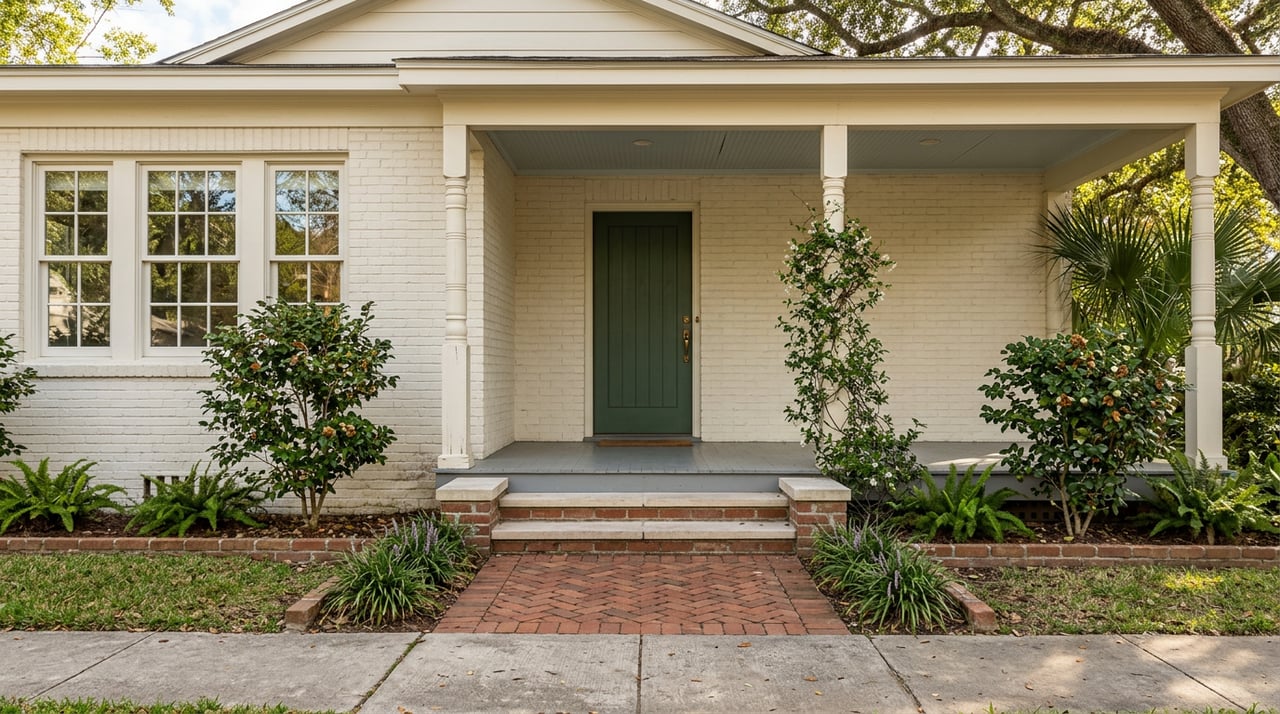
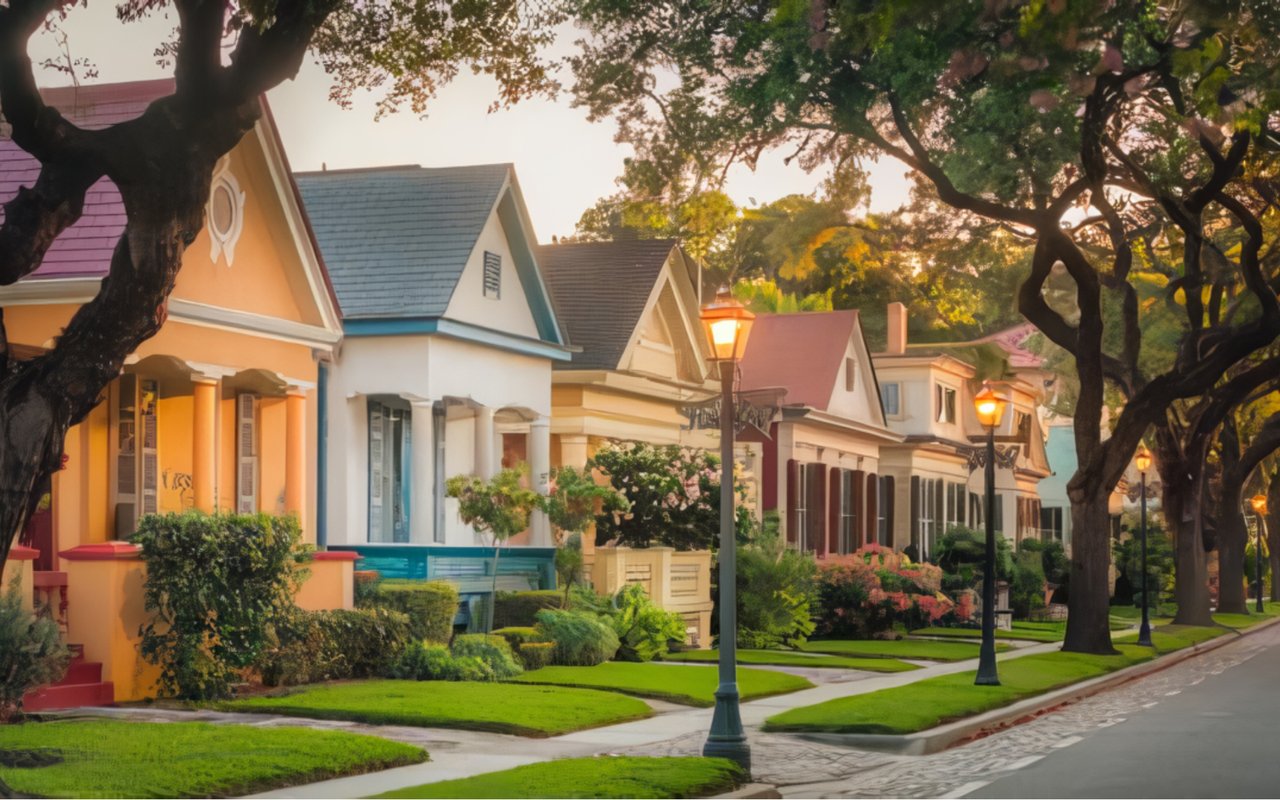
The neighborhood is small on purpose. Parkland Estates sits within a compact set of streets bounded by West Swann Avenue, South Howard Avenue, West Morrison Avenue, and South MacDill Avenue. A civic club focused on preserving the owner-occupied, single-family character of those blocks helps explain why presentation standards feel higher here than in a more typical tract market. Owners tend to stay. When they do sell, the pool of comparable trades is thin.
Two consequences follow. First, appraisers and buyers reach outside the boundary for comps, borrowing from Hyde Park, Golfview, and the eastern edge of Palma Ceia. Second, the range of what a given dollar buys inside the boundary is unusually wide, because each closed sale sets an anchor that lasts until the next one lands.
What the lot is actually pricing
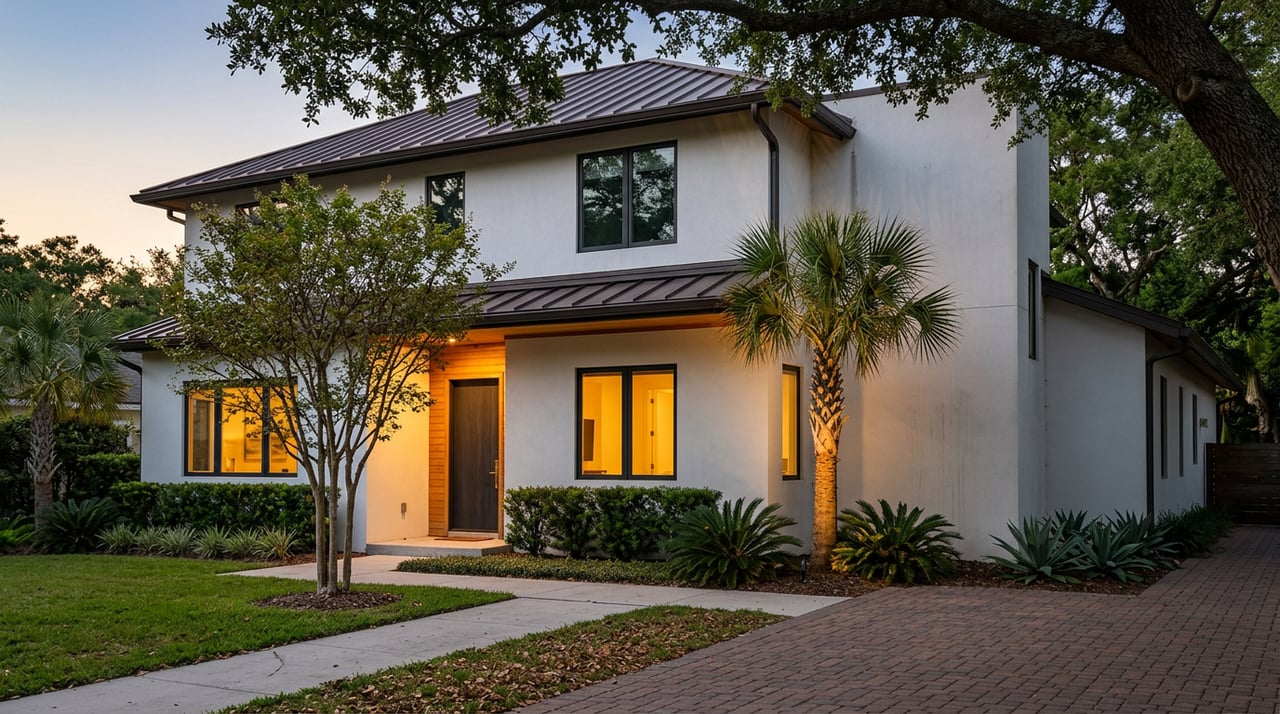
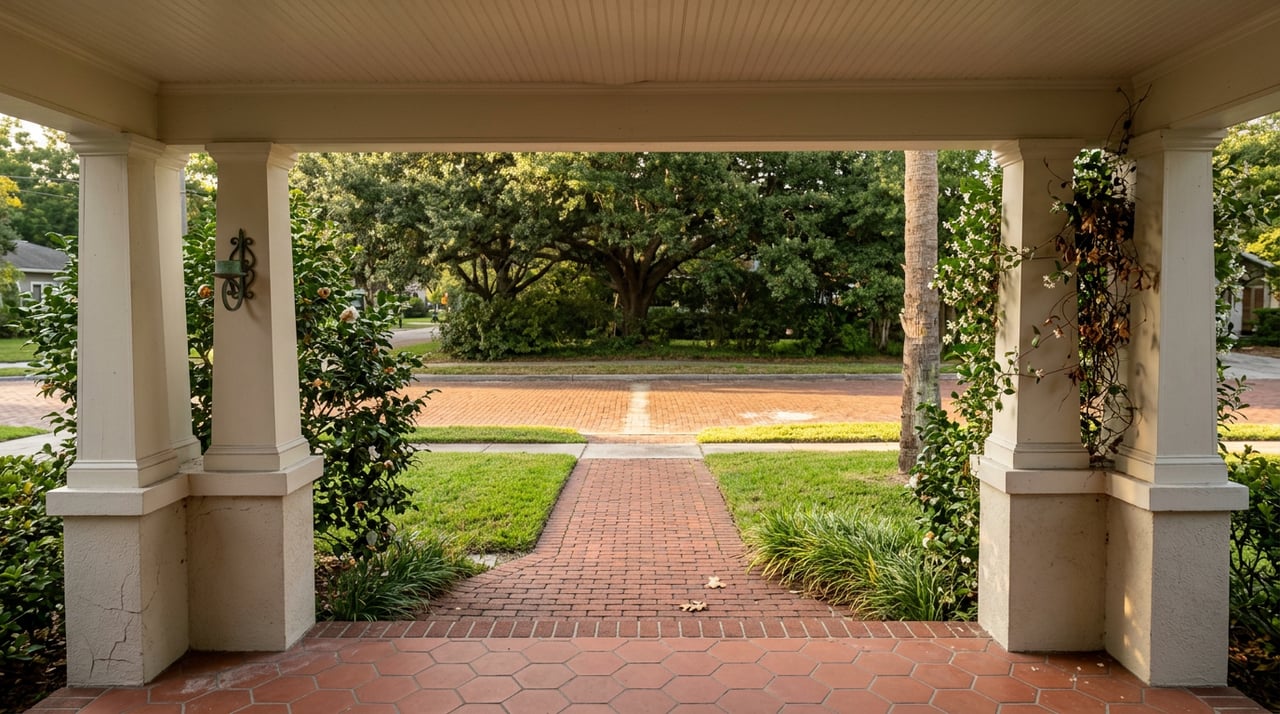
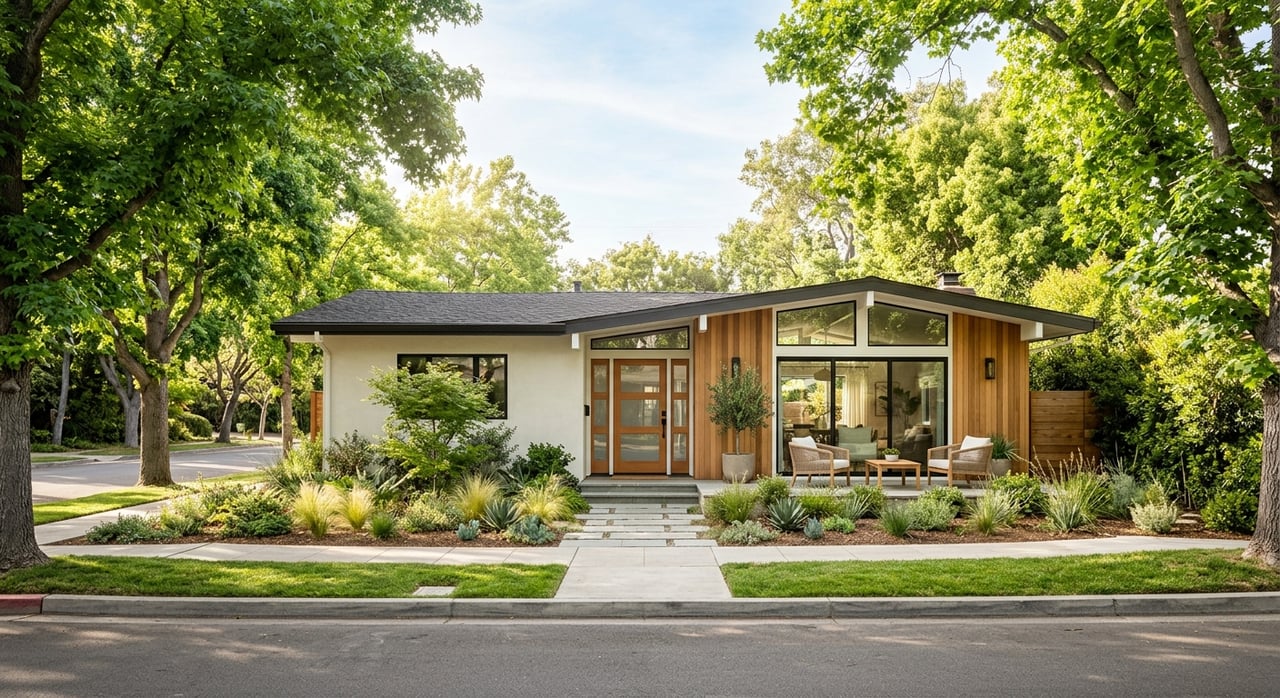
A useful way to read a Parkland Estates listing is to separate the house from the ground it sits on. The house depreciates and can be renovated or replaced. The lot cannot. On a preferred homesite, meaning a larger parcel, a corner, or a lot with a mature canopy of live oaks, the ground is the durable part of the price.
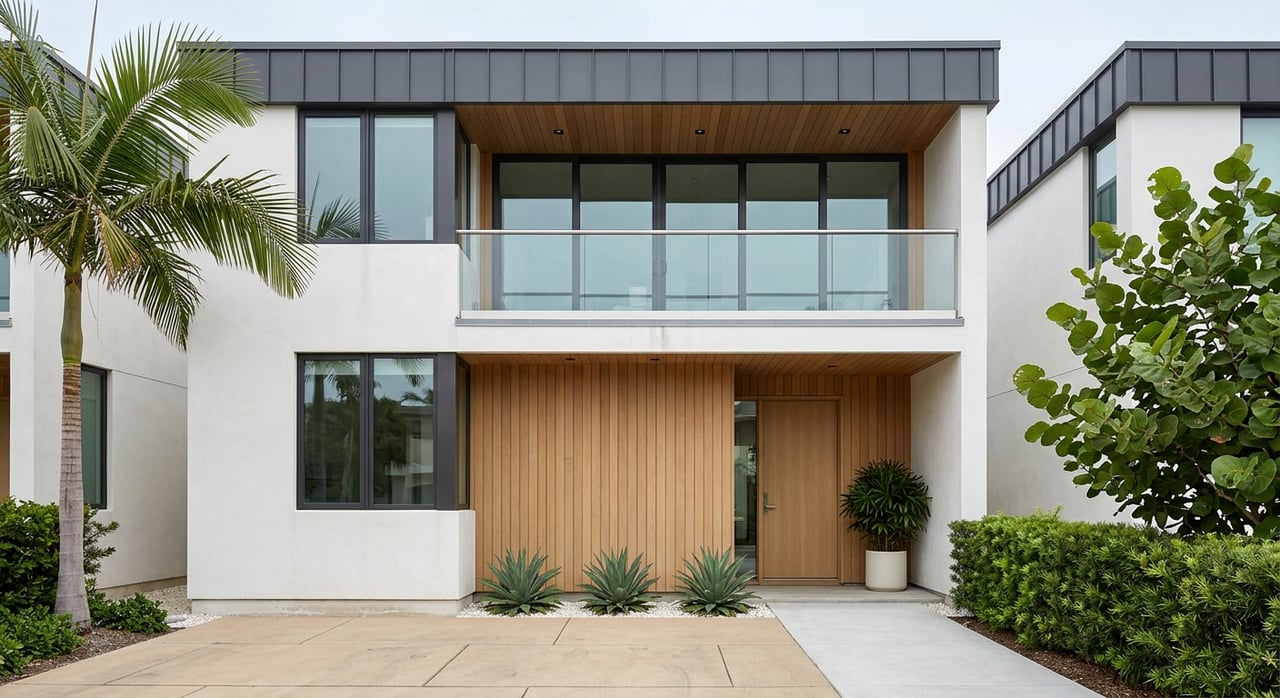
That is why two homes of similar square footage on the same street can trade at very different numbers. The market is paying for frontage, depth, tree cover, and whether the parcel supports a modern rebuild without variance headaches. When a buyer overpays here, it is almost always because they underweighted the lot and overweighted finishes.
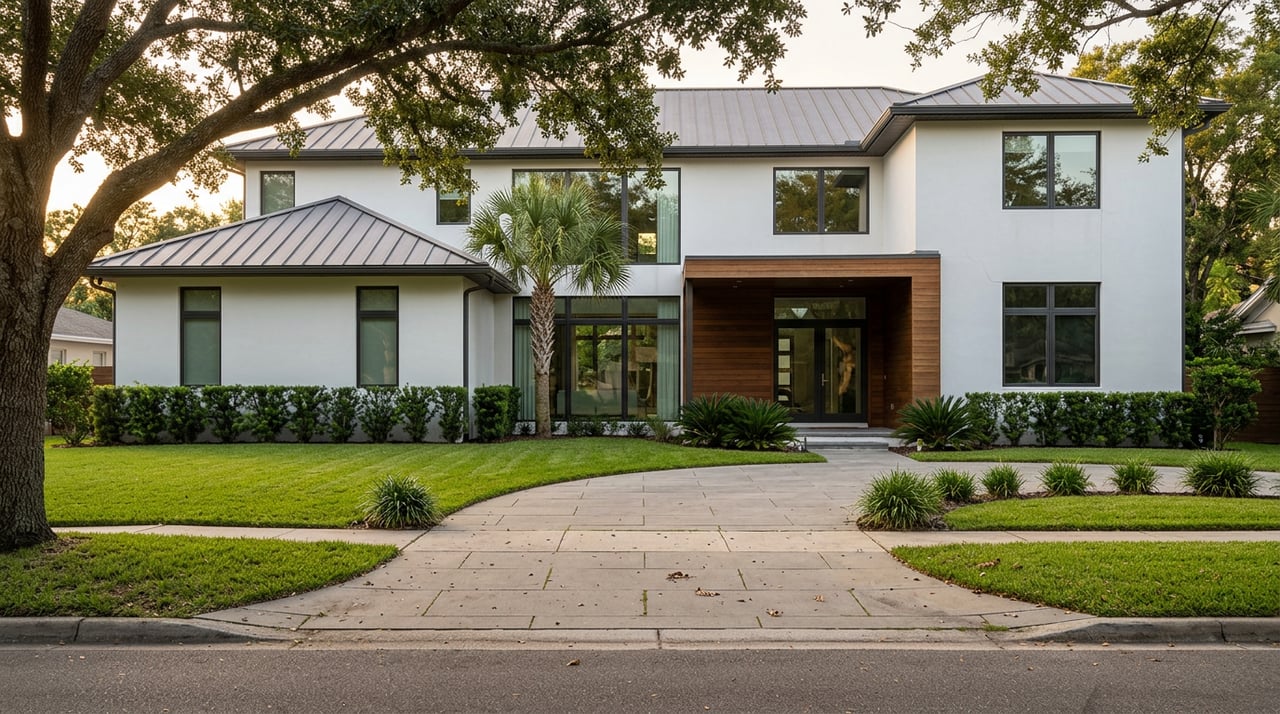
Recent asks on Trulia illustrate the spread within the same few blocks: a 2,156-square-foot home on West Parkland Boulevard listed at $1,425,000, a 3,220-square-foot home on South Matanzas Avenue at $2,150,000, and a 5-bedroom on West Watrous at $2,800,000. Price per square foot across those three ranges from roughly $660 to $870. The delta is the lot and the condition, not the finish package.
The renovation-vs-teardown fork
This is where transactions get interesting, and where buyers most often lose money before they close.
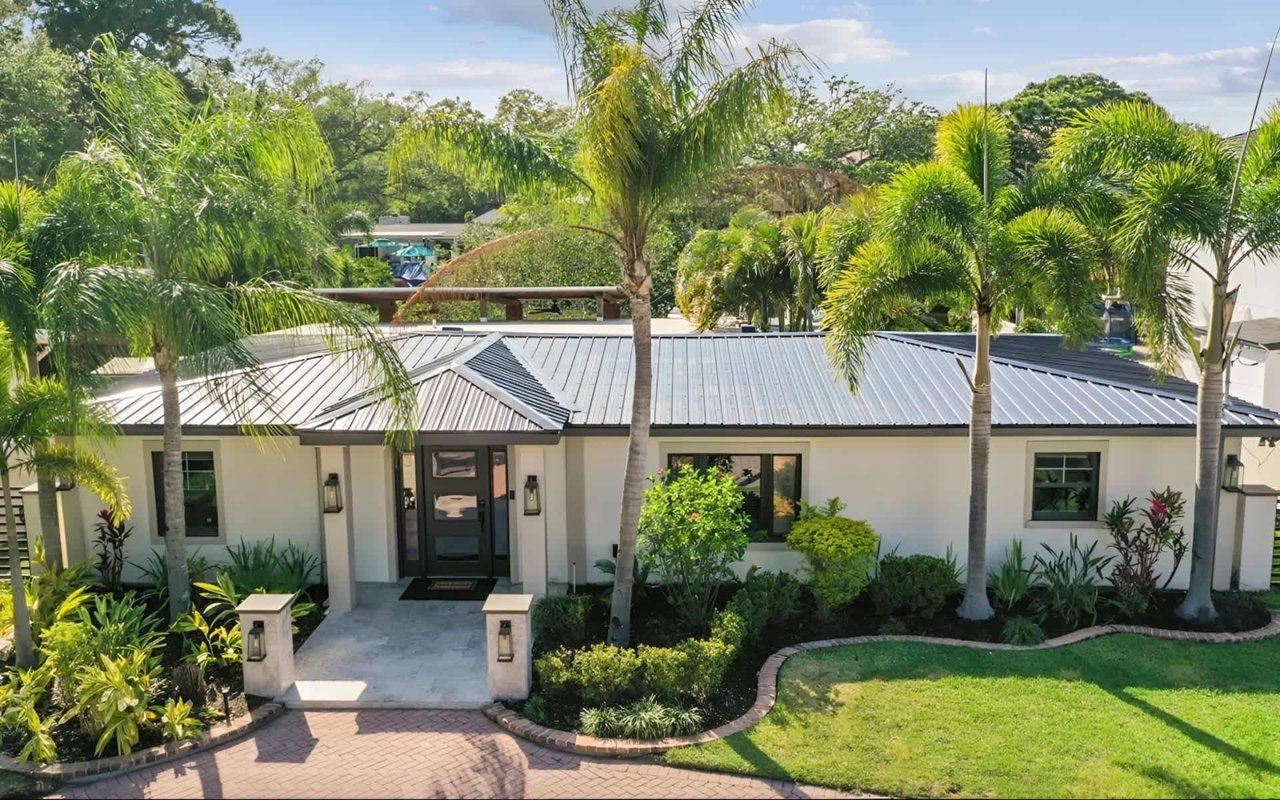
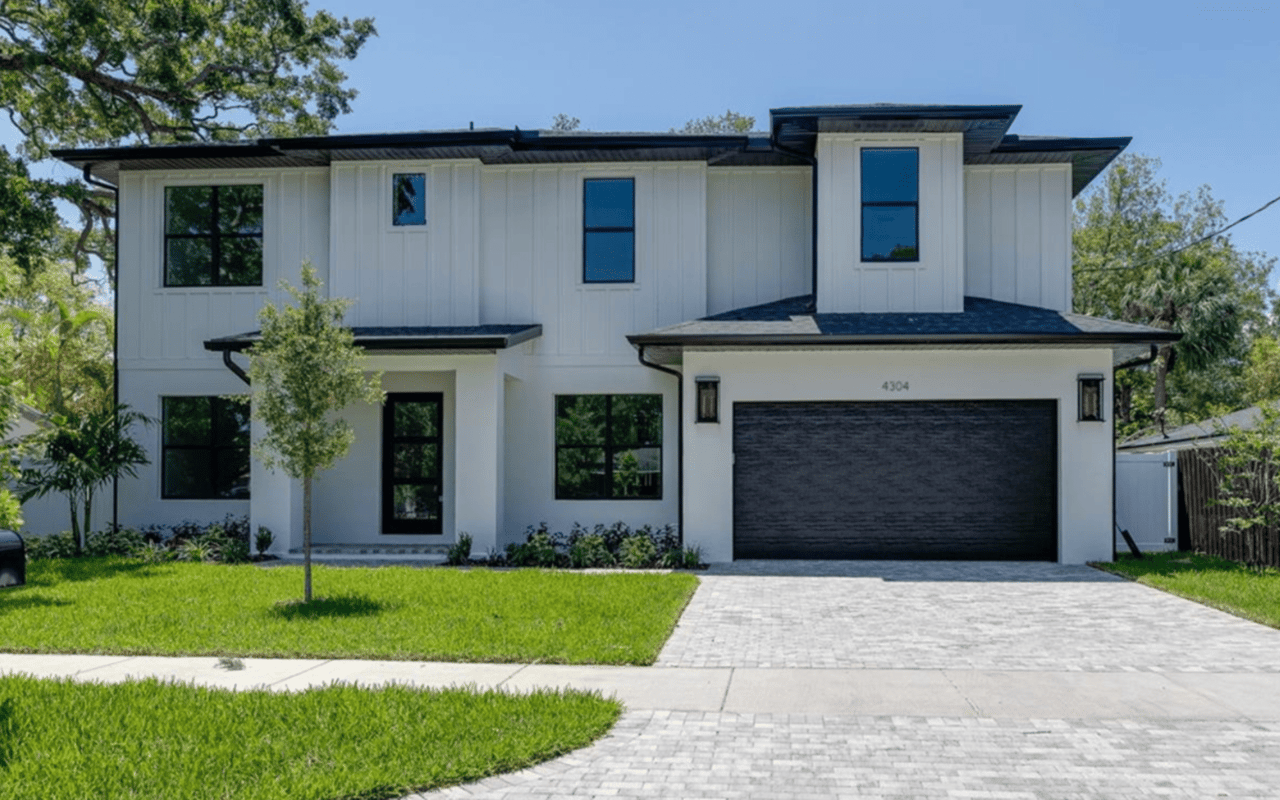
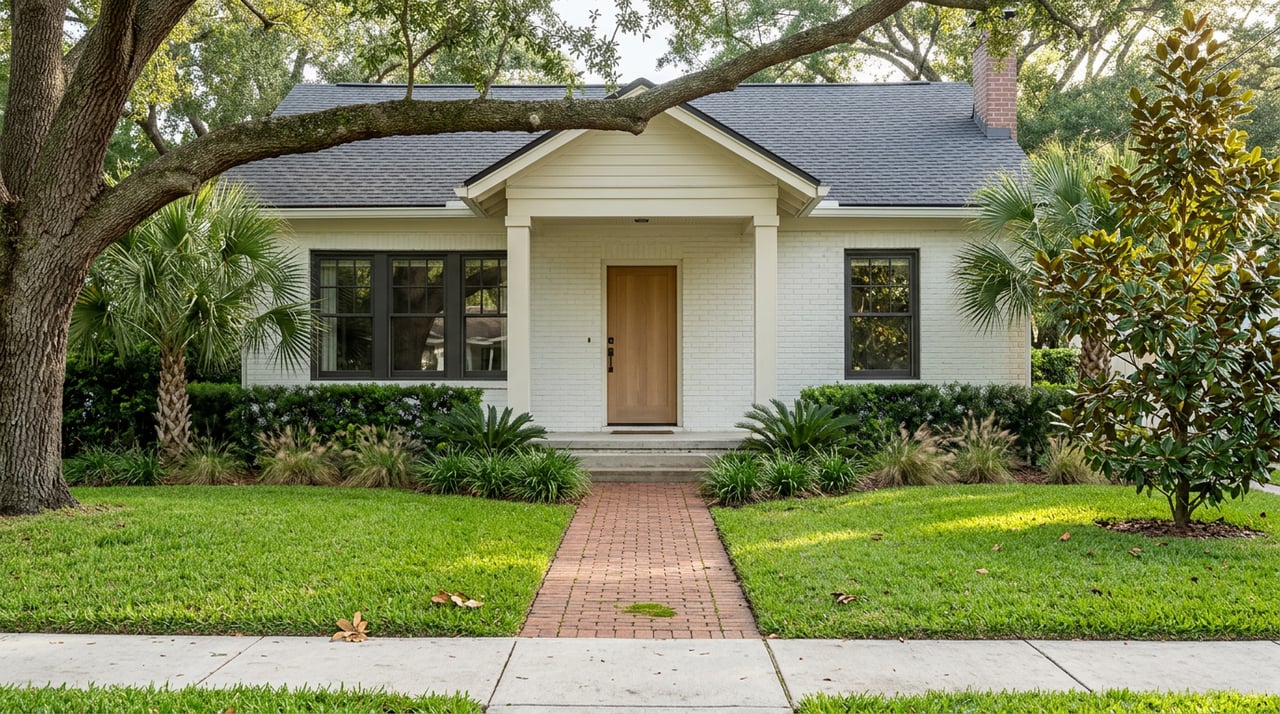
Every Parkland Estates deal sits somewhere on a spectrum. On one end is an original or lightly updated historic home priced for its lot with a renovation baked in. On the other end is a 21st-century custom rebuild on one of the larger parcels. In between is a shrinking middle of homes that were renovated once, ten or fifteen years ago, and now sit awkwardly between "move-in" and "worth redoing."
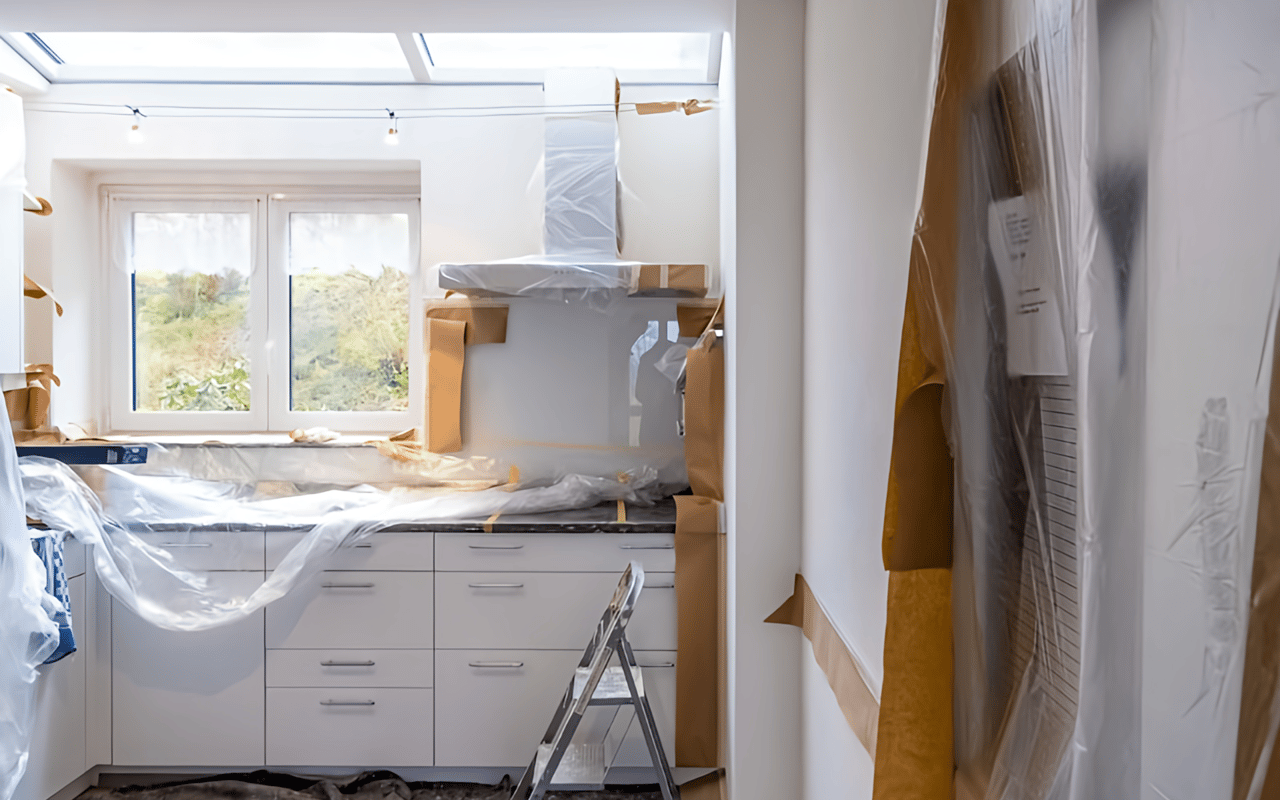
The math that determines which fork wins looks like this. Take the asking price. Subtract the estimated land value based on recent teardown trades in the immediate blocks. What is left is what you are paying for the existing structure. If that residual is higher than the cost to build comparable square footage new, you are overpaying for a house that will eventually be scraped. If it is lower, you have a legitimate renovation candidate.
Two things make this calculation harder in Parkland Estates than in a bigger neighborhood. One, the teardown comp set is small, so land values are inferred rather than observed. Two, the civic club character and mature streetscape mean not every lot is a natural fit for a maximum-envelope rebuild. Buyers who assume they can replicate what a neighbor did two years ago sometimes discover setback, tree, or lot-coverage constraints they were not underwriting.
This is the kind of question the walkthrough should answer before an offer goes out, not after inspection.
Elevation and insurance rewrite the budget
Nothing resets a Parkland Estates budget faster than the insurance quote. In South Tampa, older bungalow owners are seeing property insurance premiums between $4,000 and $8,000 annually, which is pushing many buyers toward new construction that meets current wind mitigation and flood elevation standards. On a $2M home, that annual figure is a rounding error against principal and interest. On a $1.3M cottage that also needs $150,000 of work, it is not.
Elevation belongs in the same conversation. Parkland Estates itself sits inland of Bayshore, but flood zone designations vary lot by lot within South Tampa, and listing copy often does the buyer's work for them. Recent Redfin listings in the neighborhood volunteer that a home is "positioned outside the flood zone" precisely because that phrase moves value. Any offer here should be conditioned on a current elevation certificate and a written flood zone confirmation for the specific address, not the block.
Rate context matters too. With 30-year fixed rates settling in the 6.2% to 6.5% range in 2026, the lock-in effect that kept move-up sellers frozen the last two years is finally starting to thaw. That is why inventory, while still thin, has loosened enough to give buyers modest negotiating room where a year ago there was none.
The walkability premium is doing real work
Location inside the boundary matters, and not evenly. Lots closer to South Howard Avenue trade against a different demand curve than lots on the interior blocks, because the retail edge of the neighborhood is a genuine amenity. Residents walk to South Howard Avenue for tapas and sangria at Bulla Gastrobar, live music at MacDinton's Irish Pub and Soho Saloon, and steakhouse dinners at Bern's, an iconic Tampa restaurant where reservations run three months out. Hyde Park Village sits just east and is equally walkable, mixing national retailers like Sephora and Pottery Barn with local boutiques, coffee shops, and restaurants. HCA Florida South Tampa Hospital is also within walking distance north of the neighborhood.
The interior of the neighborhood is quieter, greener, and closer to the neighborhood's single green space at Simms Park. Neither location is objectively better. They price to different buyers. A buyer who plans to walk to dinner four nights a week is paying for something a buyer who wants oak canopy and stillness is not.
What the neighborhood is really competing with
Buyers cross-shopping Parkland Estates almost always have two or three other South Tampa options open in another tab. The move-in-ready comparison is usually Palma Ceia. The walkable-luxury comparison is Hyde Park. The lot-size comparison is Sunset Park or Beach Park to the west.
Against those neighborhoods, Parkland Estates competes on a specific combination: a ten-minute drive to downtown via the Selmon Expressway, with Historic Hyde Park to the east, Golfview to the west, and Bayshore Gardens to the south. That geography is why the neighborhood keeps clearing at premium numbers even when transaction counts stay low. It is also why the wrong lot at the wrong price is harder to resell here than in a bigger market. The buyer pool that pays a premium for these blocks is narrow. If a home is priced above what that pool will pay, it sits.
FAQ
If the median is unreliable, what number should I actually anchor to? Ask for a written comp set of the three to five most recent closed sales inside the civic club boundary, adjusted for lot size, condition, and elevation. That is the honest picture. A trailing-twelve median is directional at best when only 14 homes traded.
Is a teardown a better value than a renovated home right now? It depends entirely on the residual math above and on how the specific lot works under current setback and tree rules. Renovated-listing inventory in Parkland Estates is thin enough right now that a reliable renovation premium is difficult to compute from comps alone, which is why condition needs to be read home by home against real comparable sales.
How much does the Hillsborough County backdrop matter for pricing a Parkland Estates offer? Less than you would think. The broader county market printed $557,389 as its median sale price with 3.6 months of supply and 92 days on market in January 2026. Parkland Estates operates in a separate tier with different velocity and a different buyer pool. County stats are useful for financing conversations, not for pricing an offer inside these four streets.
Working the deal
The buyers who do well in Parkland Estates are the ones who stop treating the portal median as a signal and start underwriting the lot, the elevation certificate, the insurance quote, and the renovation math as the actual price. That is slower work. It is also the work that keeps a $2M offer from becoming a $2.4M problem two years in.
If you are weighing a specific home in the neighborhood, 360 Realty can walk the property with you, pull the comps that matter, and coordinate the legal, title, and elevation questions before an offer goes out rather than after. Contact us when you are ready.