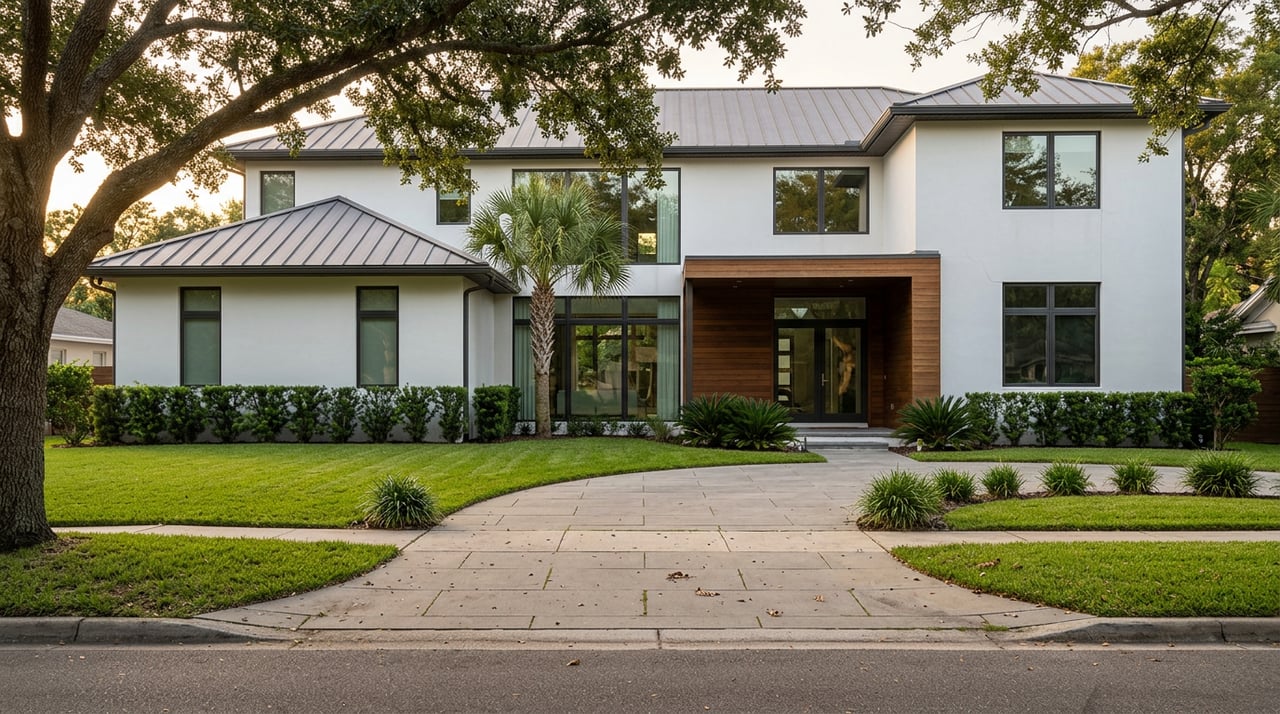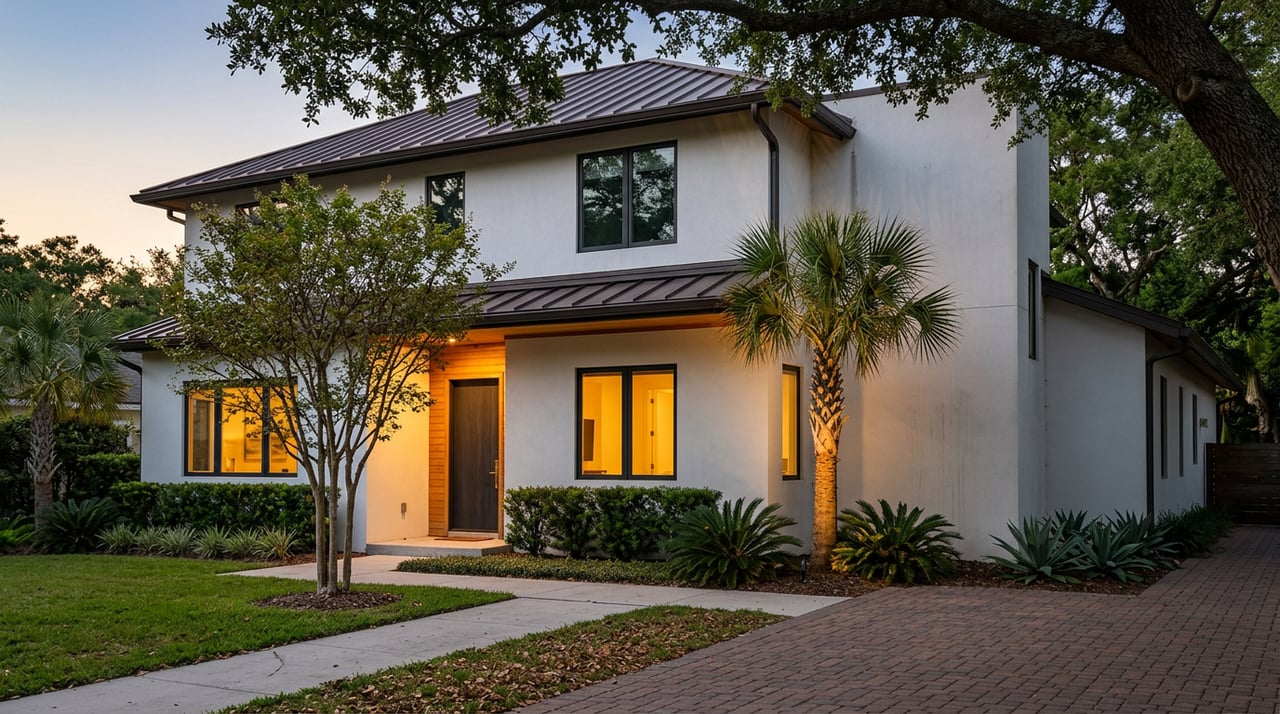
Buying a historic home in Palma Ceia can feel exciting and a little intimidating at the same time. You may love the brick streets, mature oak canopy, and one-of-a-kind architecture, but you also want to avoid surprises after closing. If you are thinking about buying an older home here, it helps to know what makes Palma Ceia special, what to verify before you buy, and where extra due diligence matters most. Let’s dive in.
Why Palma Ceia draws historic-home buyers
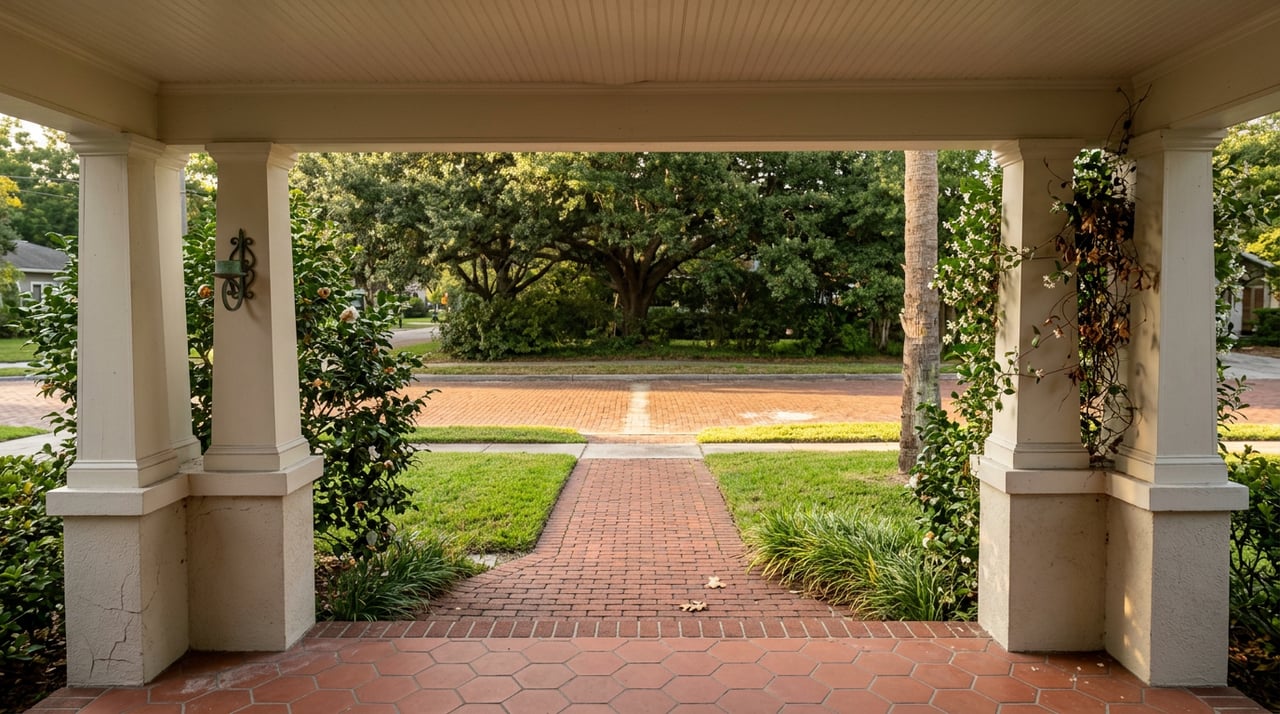
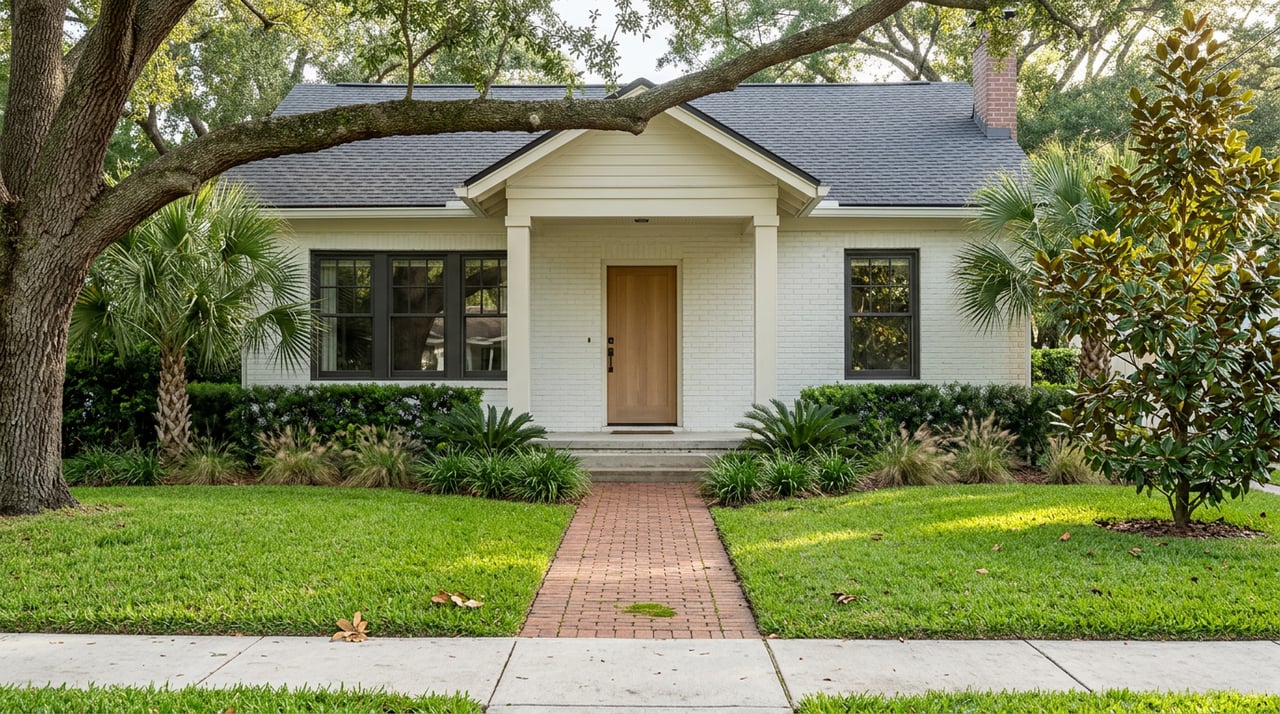
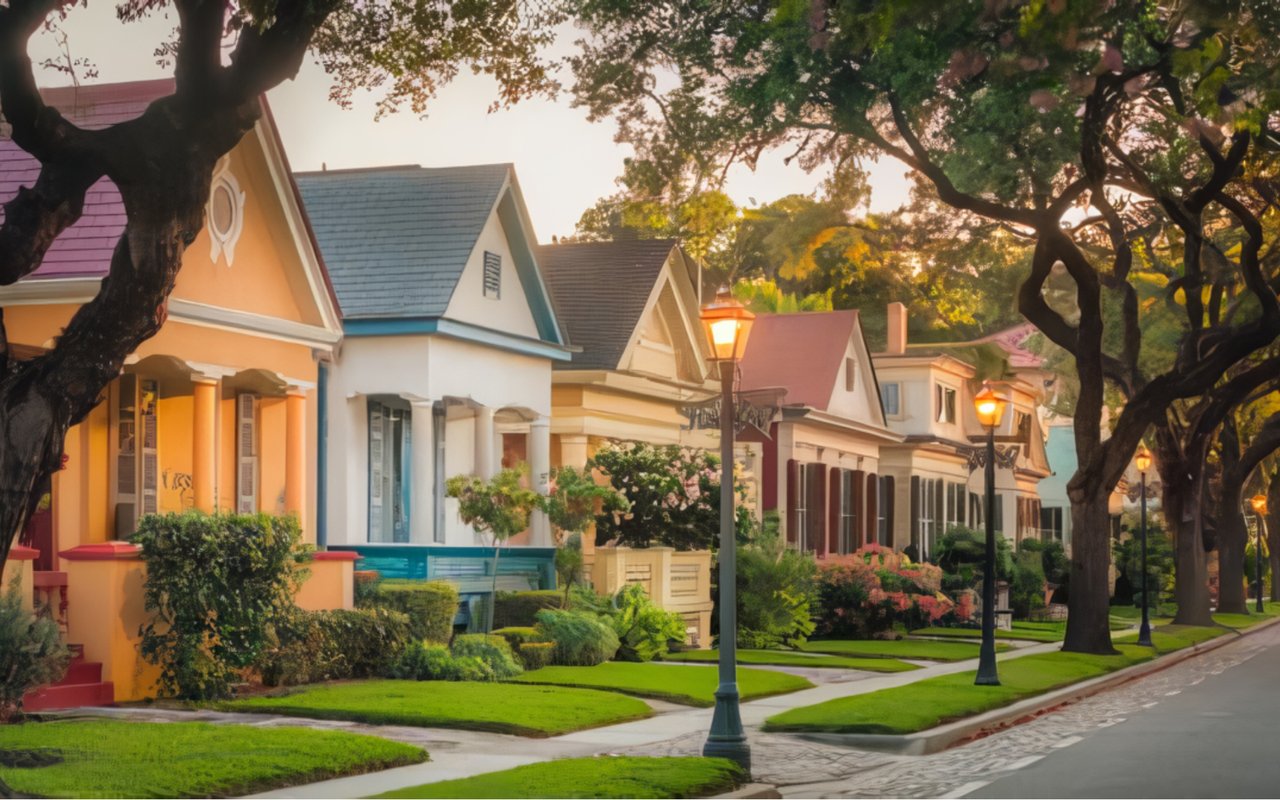
Palma Ceia is one of Tampa’s most sought-after communities, with roots that go back to the early 1920s. The City of Tampa describes the neighborhood as a place with antique red brick roads, a large oak canopy, and a wide range of housing designs and price points.
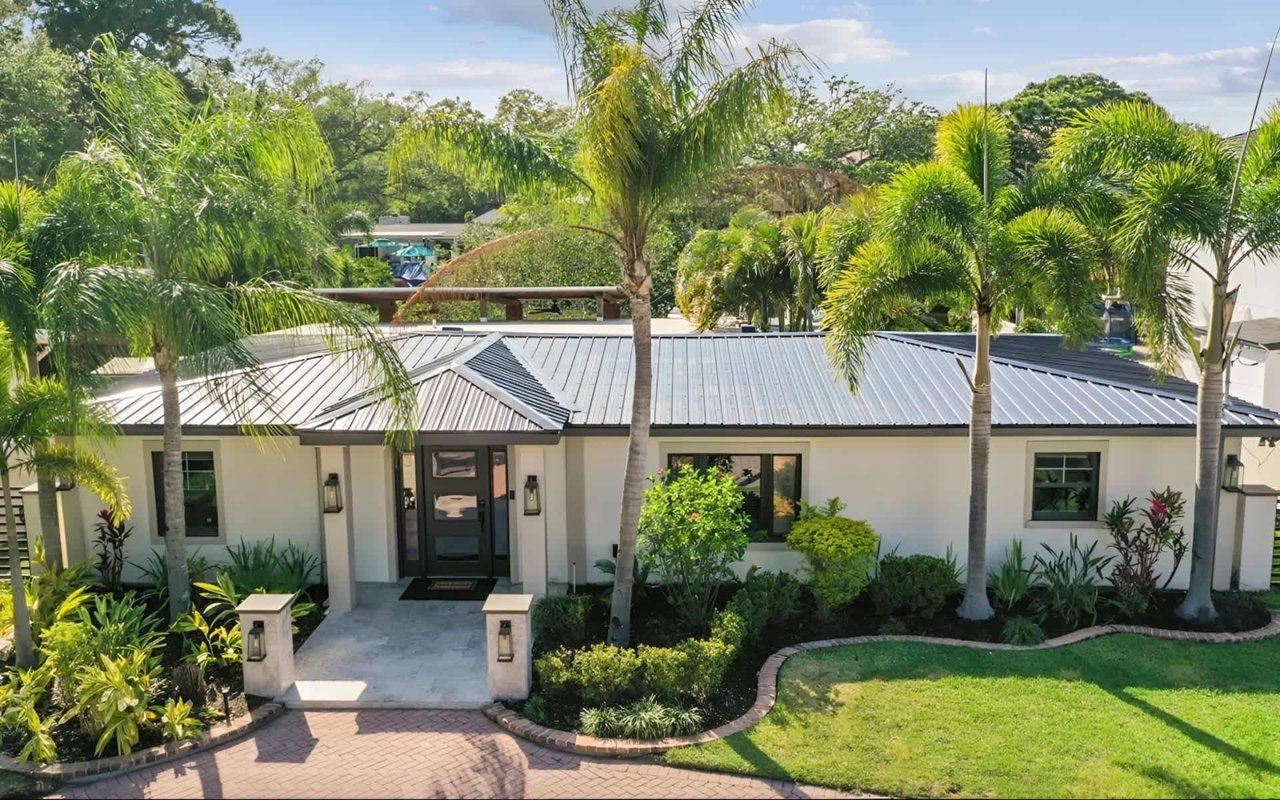
For you as a buyer, that means Palma Ceia is not a one-style neighborhood. You may find older character homes alongside newer infill construction, which makes each block and each property feel a little different. That variety is part of the appeal, but it also means you should evaluate each home on its own facts.
Historic style vs historic designation
One of the biggest mistakes buyers can make is assuming that an older Palma Ceia home automatically falls under formal historic rules. Based on the City of Tampa’s current historic-preservation district maps, Palma Ceia is not listed among the city’s local historic districts.
That matters because an older home in Palma Ceia may be better described as a historic-style or character home unless a parcel-specific designation is confirmed. Before you plan renovations, repairs, or major exterior changes, verify whether the property is individually designated or otherwise subject to local historic review.
If a property is individually designated or located within a local historic district, Tampa’s Architectural Review Commission may review exterior work under city design guidelines and the Secretary of the Interior’s Standards for Rehabilitation. In those cases, buyers should understand the approval process before work begins.
What architectural details to notice
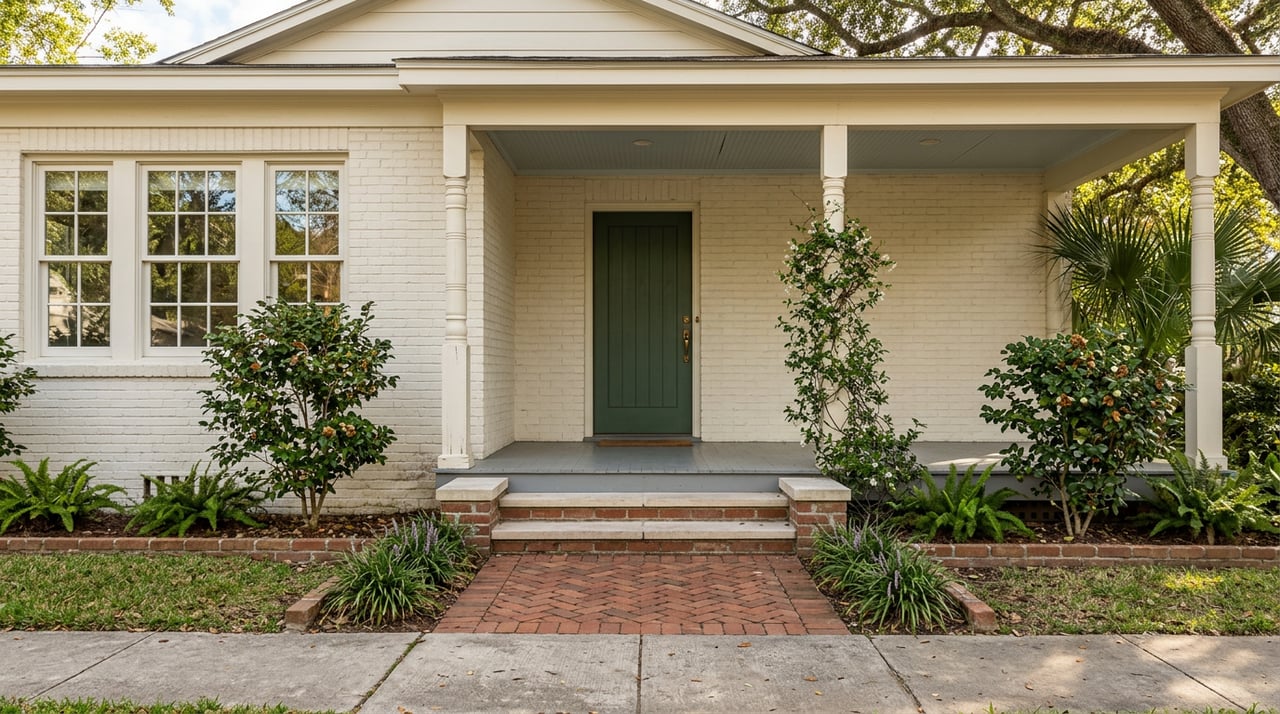
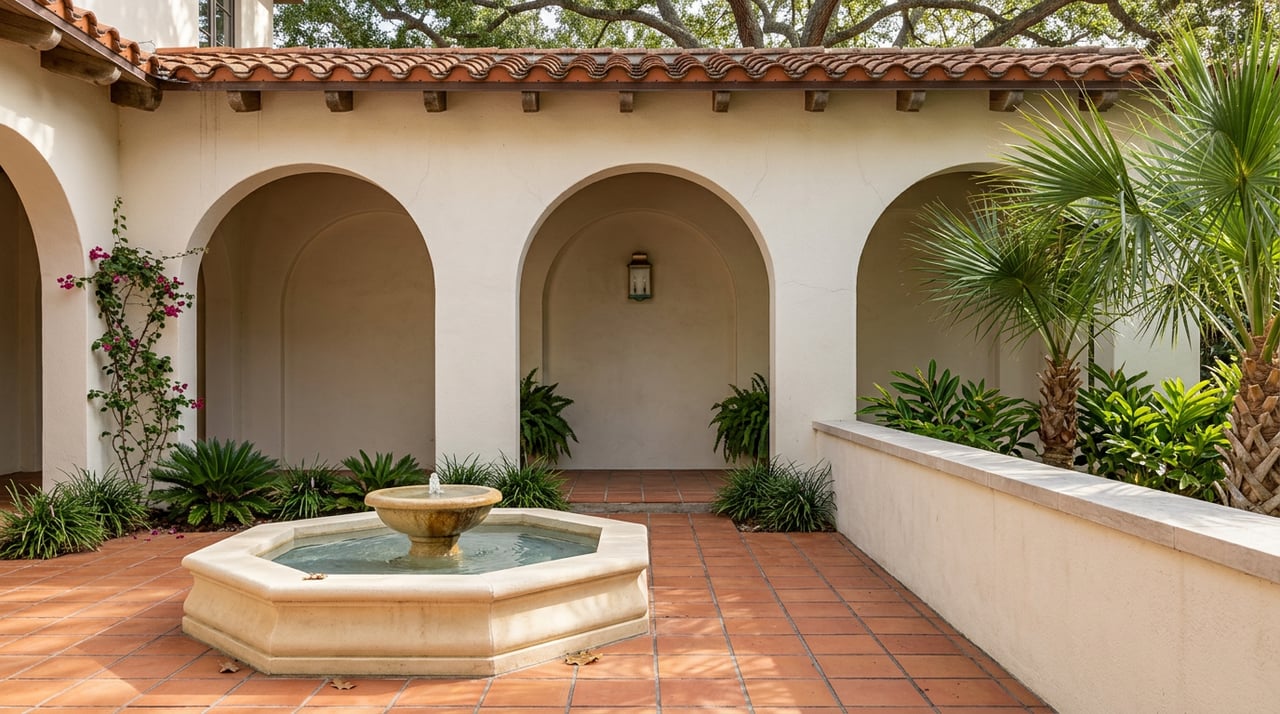
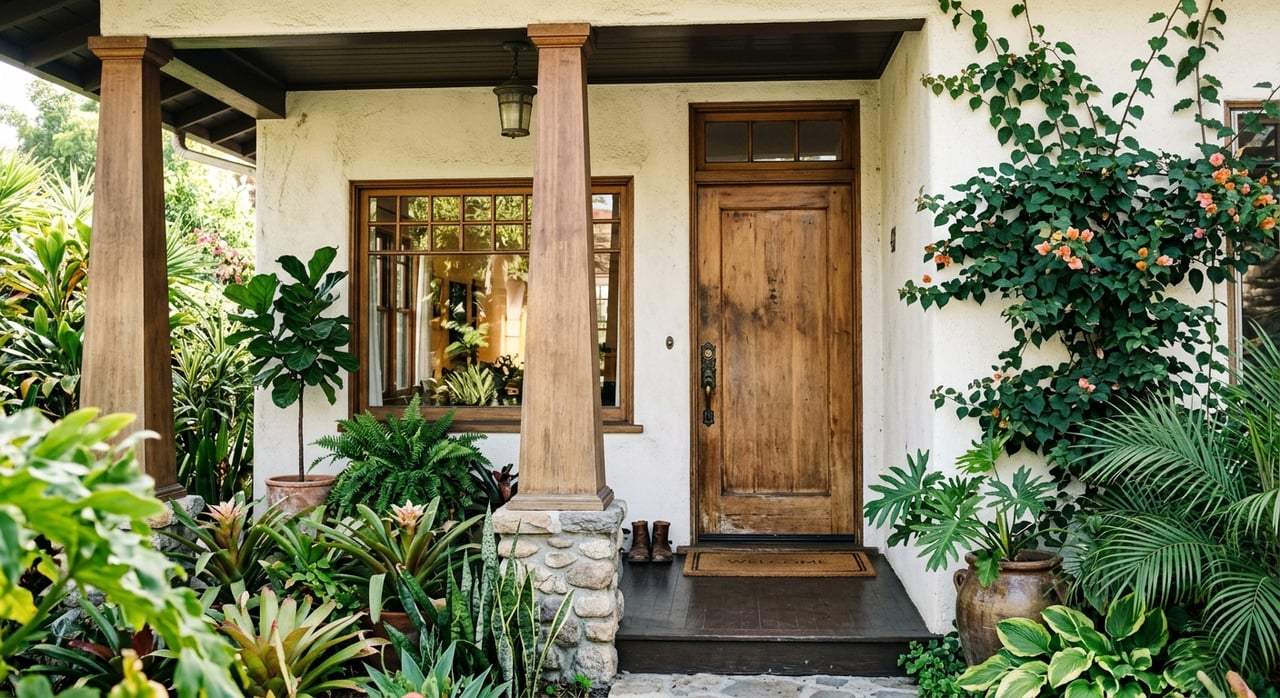
Older homes in and around Tampa often reflect early-20th-century design. City guidance for nearby historic neighborhoods shows common styles such as bungalows, wood-frame vernacular homes, Craftsman, Colonial Revival, Queen Anne, Tudor Revival, and Mediterranean Revival.
In Palma Ceia, that gives you a useful lens for what you may see when touring older homes. Even if a home is not formally designated, its value and visual appeal often come from original details that are hard to recreate once they are removed.
Look closely at features like:
- Raised entries
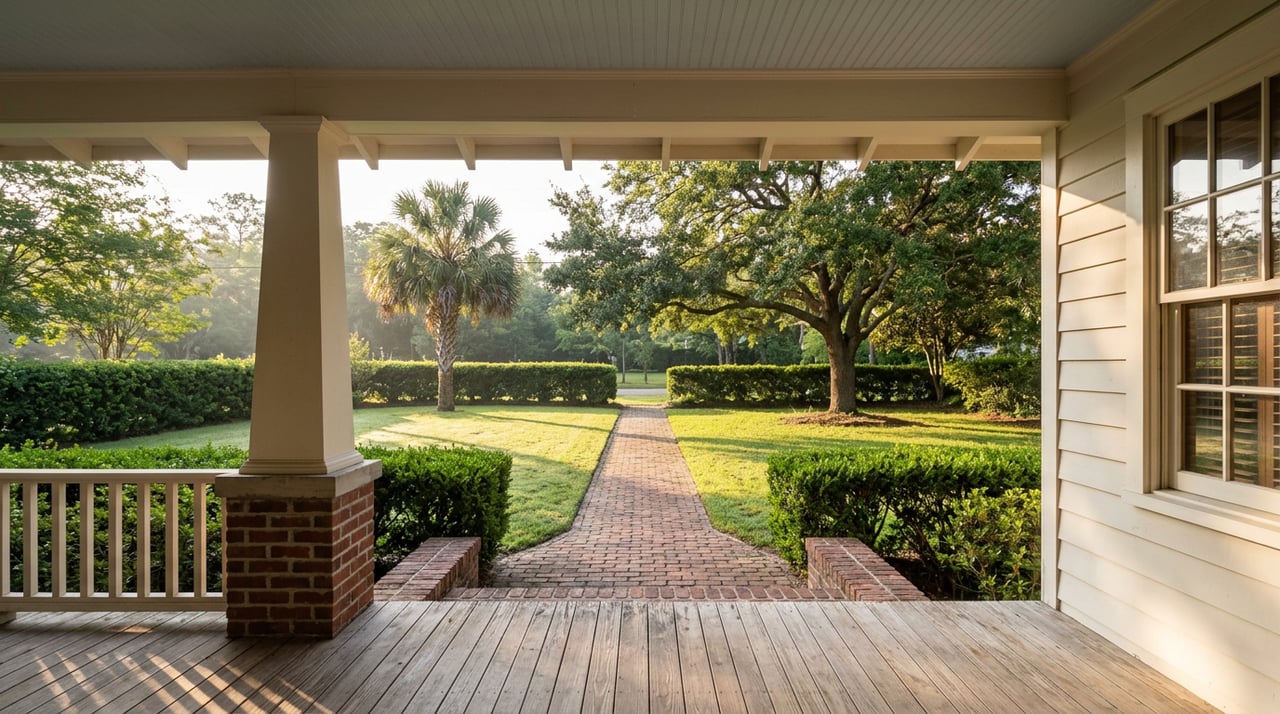
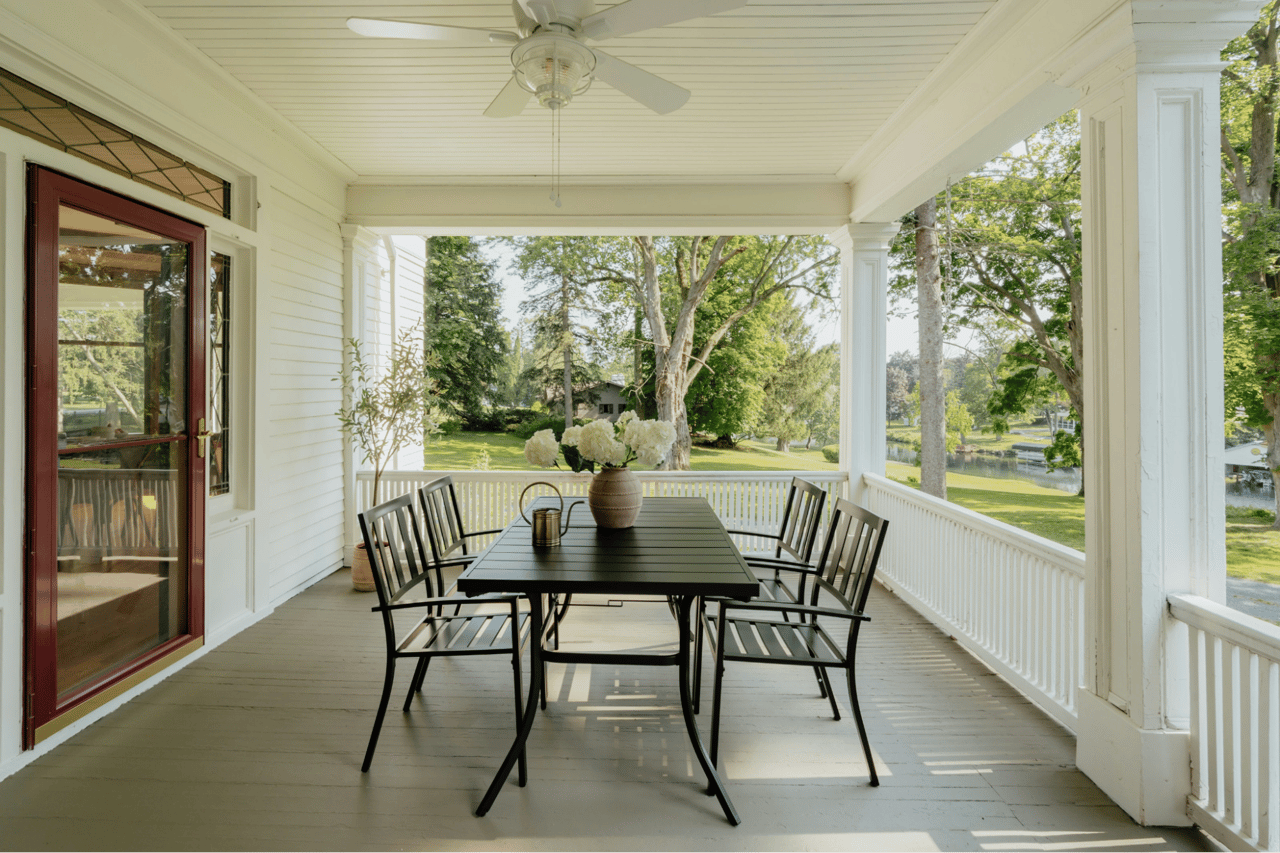
- Front porches
- Original window proportions
- Muntin patterns
- Shutters sized to the window openings
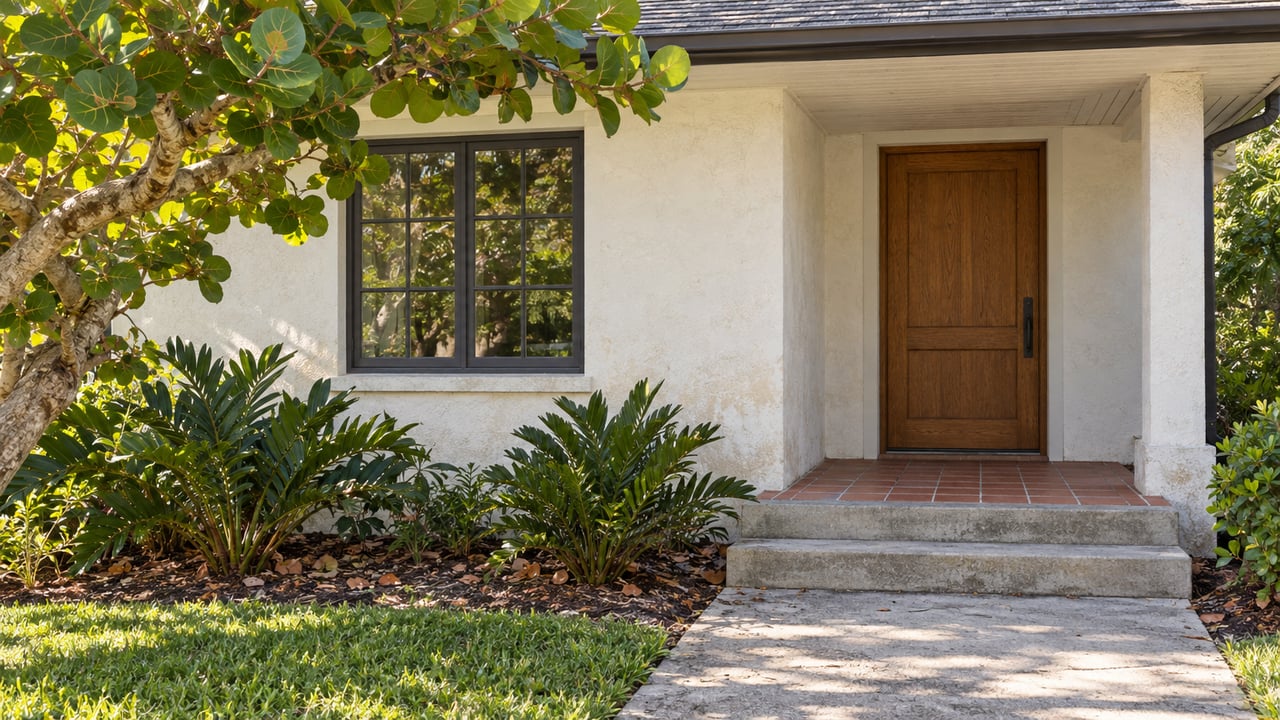
- Wood siding or stucco finishes
- Roof shapes and dormers that match the home’s style
These details often define the home’s street presence and long-term charm. If they are still intact, that can be a major plus.
What renovations deserve a closer look
Not every update improves an older home. Some renovations protect the home’s function and value, while others can strip away character or create future repair issues.
When you walk through a Palma Ceia property, ask whether the original windows, porch, siding, and roof are still present. If they are, find out whether they are repairable rather than automatically assumed to need full replacement.
City historic guidance for older Tampa homes generally emphasizes preserving original materials and proportions when possible. It also discourages changes like altering window sizes or pane patterns, replacing sound wood sash with metal, or covering wood siding with vinyl or aluminum.
Roof work also deserves careful attention. Replacement materials and roof shape should remain compatible with the home’s original scale, slope, texture, and appearance whenever possible.
Check additions and enclosed spaces carefully
Additions can add useful square footage, but they can also change how an older home lives and looks. A rear addition that respects the original scale may feel seamless, while an enclosed porch or awkward expansion can affect both appearance and function.
As you evaluate a home, look at whether additions or enclosure projects preserved the original street-facing character. Ask whether the changes feel consistent with the rest of the house or if they created visible design mismatches.
This is not just about style. It can also affect permits, inspections, insurance questions, and the scope of any work you may want to do later.
Due diligence matters more with older homes
In a newer home, many systems may still be within a typical replacement cycle. In an older Palma Ceia home, your due diligence should go much deeper because age, repairs, and undocumented work can affect your costs after closing.
Before you buy, ask the seller for documentation tied to major work. Helpful items include permits, final inspections, and contractor invoices for improvements such as roof replacement, electrical updates, plumbing work, HVAC installation, window changes, or additions.
You should also pay close attention to signs of:
- Active roof leaks
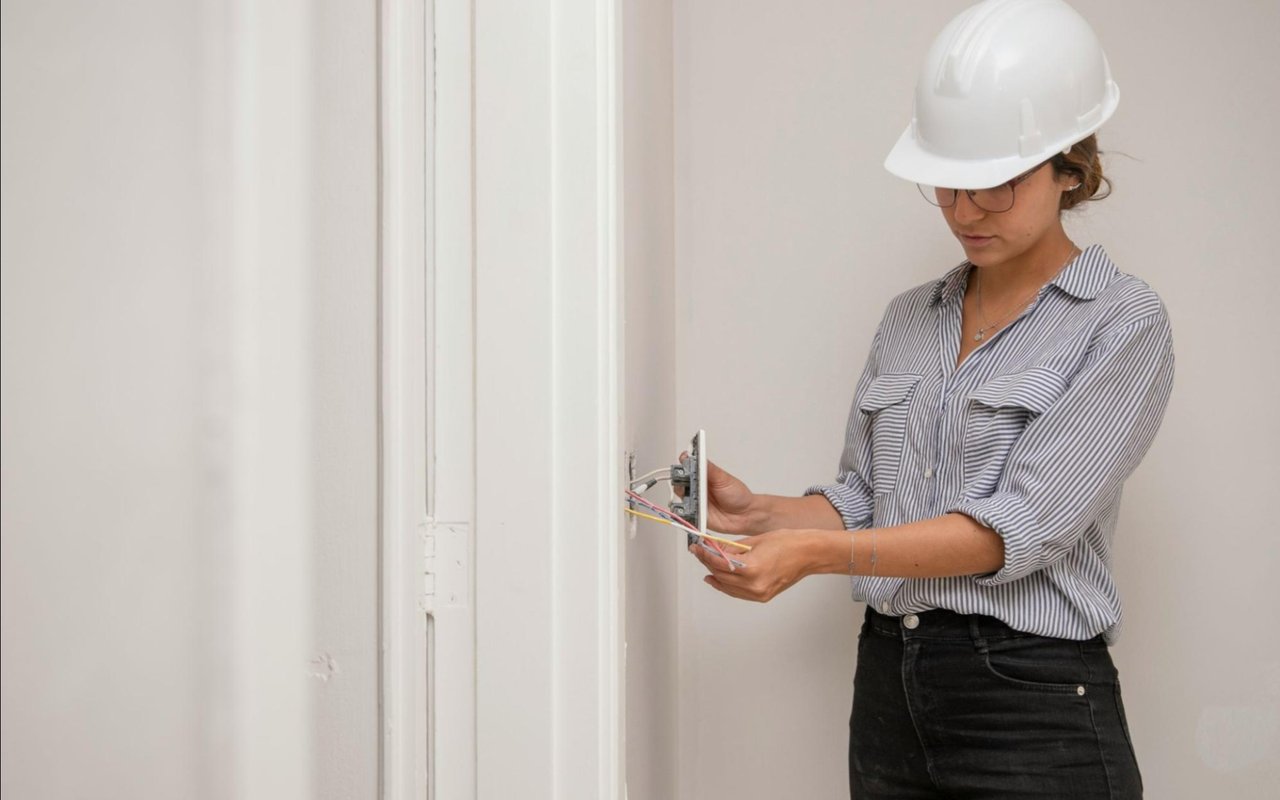
- Outdated electrical systems
- Plumbing that has not been updated
- HVAC systems that may raise insurance concerns
These are not small details in Florida. They can affect whether you can bind homeowners insurance and how much work you may need to take on soon after closing.
Why four-point inspections matter in Florida
For many older Florida homes, a four-point inspection is a key part of the insurance conversation. Florida’s consumer guide explains that insurers use four-point inspections to evaluate insurability, with a focus on four major systems:
- Roofing
- Electrical
- Plumbing
- HVAC
Citizens requires a four-point inspection for certain applications on homes more than 20 years old. Citizens also notes that older soft roofs over 25 years, or hard roofs over 50 years, need documentation showing at least five years of remaining useful life.
If you are buying an older home in Palma Ceia, this is a practical checkpoint, not just paperwork. A home can look beautiful during a showing and still create insurance hurdles if these systems are aging or unsupported by documentation.
Wind mitigation can affect insurance costs
Insurance is not only about whether coverage is available. It is also about understanding features that may help reduce the windstorm portion of your premium.
Florida’s consumer guidance says mitigation discounts apply only to the windstorm portion of the policy. Insurers use the Uniform Mitigation Verification Inspection Form to document certain protective features.
Important items may include:
- Roof covering
- Roof age
- Roof-deck attachment
- Roof-to-wall connections
- Roof shape
- Shutters
- Secondary water resistance
If you are comparing two older homes in Palma Ceia, these details can matter. A house with stronger wind-mitigation features may offer better long-term carrying costs than a similar home without them.
The Florida Department of Financial Services also says the My Safe Florida Home program can offer free wind-mitigation inspections and matching grants up to $10,000 for qualifying homeowners. That may be worth exploring after purchase if the home qualifies.
Don’t overlook flood-insurance questions
Flood insurance should be reviewed separately from standard homeowners coverage. Even when a property is not in the highest-risk zone, flood risk still deserves attention during your buying process.
FloodSmart states that every flood zone carries some level of risk, and high-risk A and V zones with federally backed mortgages require flood insurance. It also notes that low- and moderate-risk zones still account for a meaningful share of claims.
For you, the takeaway is simple: do not treat flood insurance as an afterthought. Confirm whether it is required, whether it is recommended, and whether the current owner’s coverage gives you a useful pricing reference.
Palma Ceia is a premium market
When you buy an older home in Palma Ceia, you are not just paying for square footage. You are buying into a limited-supply South Tampa neighborhood where character, location, and long-term desirability carry real value.
Recent market snapshots show just how premium this submarket is. Redfin reported a May 2026 median sale price of $1,019,657, up 20.9 percent year over year, with a median 19 days on market and 22 homes sold.
Realtor.com also placed Palma Ceia near the $1.0 million mark in median listing price, with a 98 percent sale-to-list ratio and a 48-day median days-on-market figure. While the speed metrics differ by source, both point to a neighborhood priced well above the broader Tampa market.
For context, Redfin showed Tampa’s median sale price at $443,000 over the last three months, and Florida Realtors reported a statewide median sale price of $425,000 in May 2026. That contrast makes it clear that many Palma Ceia character homes sit in the luxury tier of the market.
A smart buying approach for Palma Ceia
If you are serious about buying a historic-style home in Palma Ceia, the best approach is equal parts excitement and discipline. You want to appreciate the charm, but you also want to verify what you are actually buying.
A strong plan usually includes:
- Confirming whether the parcel has any formal historic designation
- Reviewing exterior features for original character and repair needs
- Checking permits and past renovation records
- Coordinating inspection timing early
- Getting insurance quotes that account for four-point, wind, and flood questions
- Understanding likely near-term system upgrades before closing
That kind of coordinated process can help you avoid expensive surprises. It also gives you a clearer picture of whether the home fits your budget, renovation goals, and long-term plans.
Buying a historic-style home in Palma Ceia can be incredibly rewarding when you go in informed. With the right local guidance, you can balance charm, risk, and value in a way that protects both your lifestyle and your investment. If you are exploring older homes in South Tampa and want a team that can help coordinate the moving parts, connect with 360 Realty.
FAQs
What makes a Palma Ceia home historic versus just older?
- A Palma Ceia home should generally be treated as a historic-style or character home unless parcel-specific designation confirms that it is individually designated or otherwise subject to local historic-review rules.
What should buyers inspect first in an older Palma Ceia home?
- Buyers should focus early on the roof, electrical, plumbing, and HVAC systems, since those are the key areas reviewed in a four-point inspection and can affect insurability.
What original features matter most in a Palma Ceia character home?
- Features like front porches, raised entries, original window proportions, shutters sized to openings, wood siding or stucco, and compatible roof shapes often help define the home’s character.
What renovation records should buyers request for a Palma Ceia home?
- Buyers should ask for permits, final inspections, and contractor invoices for major work such as roofing, additions, electrical updates, plumbing changes, HVAC replacement, and exterior alterations.
What insurance questions matter when buying an older Palma Ceia home?
- Buyers should ask whether a four-point inspection is needed, whether roof life documentation is required, what wind-mitigation credits may apply, and whether flood insurance is required or recommended.
What does the Palma Ceia market look like for luxury buyers?
- Recent market data shows Palma Ceia as a premium South Tampa submarket, with median prices around $1.0 million and values well above both the broader Tampa and statewide Florida medians.